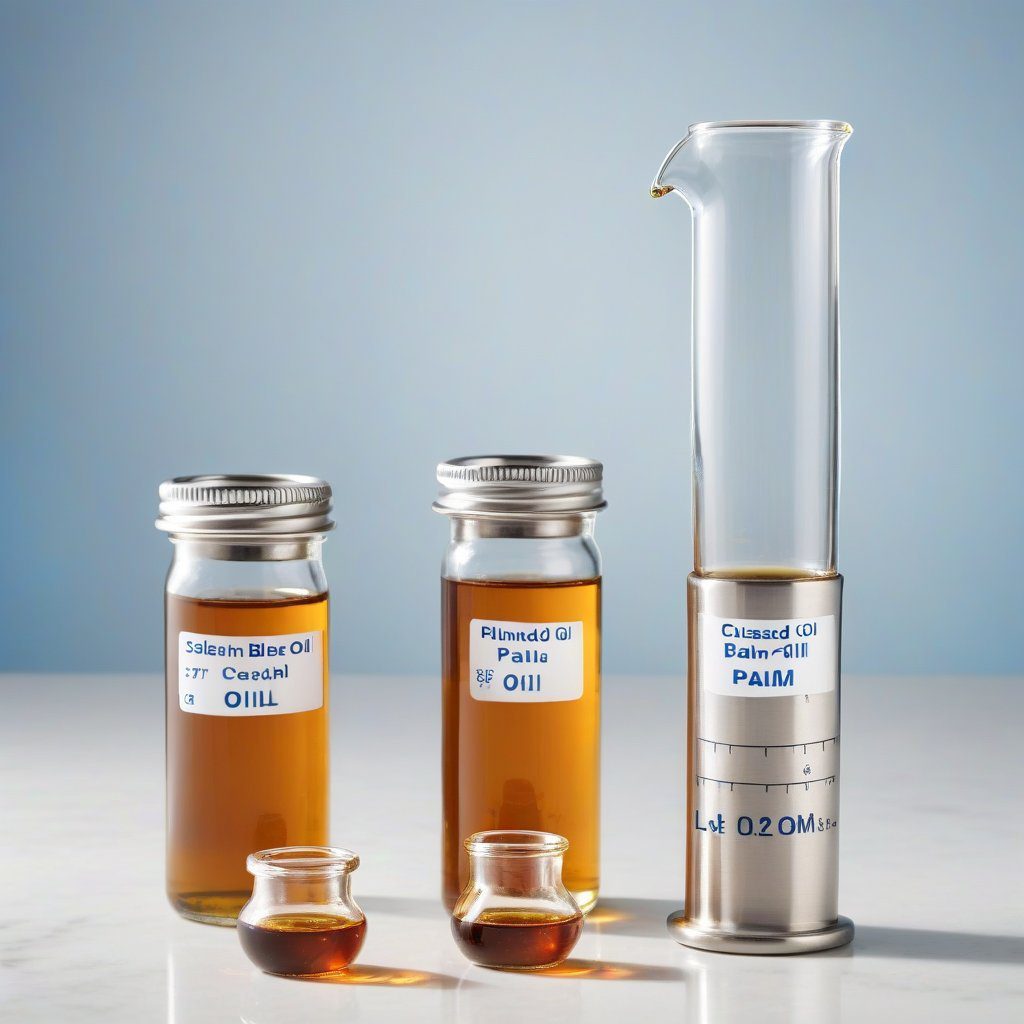
Palm kernel oil plays a critical role in a broad range of oleochemical and edible applications, spanning from specialty fats to feed and detergents.
In fast-moving markets, the difference between a good supplier and a reliable partner is measured by quality control that safeguards product integrity from crude inputs to refined outputs.
For two decades, Diplomata Commercial has built its reputation on rigorous processes, global sourcing, and practical frameworks that help manufacturers manage risk, meet regulatory expectations, and sustain supply even in volatile markets.
This guide—centered on Palm Kernel Oil Quality Control: A Practical Framework for Crude, Bleached, and Refined Oils—offers a hands-on roadmap rooted in real-world experience, clear specifications, and actionable steps.
You’ll find concrete checks at each stage, from raw material acceptance through bleaching and refining, designed to keep your operations compliant, cost-efficient, and competitive.
We blend technical insight with a business perspective, showing how disciplined QC supports long-term supplier relationships, batch traceability, and consistent product performance across applications.
The aim is to empower procurement, quality assurance, and process engineers to implement practical, scalable controls that align with industry standards and customer expectations.
Palm Kernel Oil Quality Control: A Practical Framework for Crude, Bleached, and Refined Oils
Quality control across palm kernel oil streams begins with a clear framework that distinguishes the needs of crude, bleached, and refined products.
The first step is to align internal specifications with customer requirements and external regulations, ensuring that acceptance criteria are unambiguous and enforceable.
In real-world operations, the framework translates into standardized sampling plans, routine analytical methodologies, and documented decision rules that managers trust during supplier audits and internal reviews.
Our experience across diverse HPPC, pharmaceutical, and nutrition customers shows that a well-defined QC framework reduces rework, shortens release times, and enhances supplier collaboration.
This section outlines the core concepts that drive reliable palm kernel oil quality, with practical examples drawn from long-standing industry practice.
Why Quality Control Matters Across Palm Kernel Oil Stages
Quality control measures should reflect the distinct risks and opportunities present at each stage of processing.
In crude palm kernel oil, the focus is on contamination risk, moisture management, and the presence of unstable residues that can trigger downstream quality failures if not addressed early.
In bleaching, the emphasis shifts toward color, adsorbent performance, and the removal of impurities that affect shelf life and flavor stability.
In refining, the goal is to achieve stable, predictable product properties that satisfy both regulatory limits and end-use specifications.
A robust QC program recognizes these transitions and assigns responsibility to cross-functional teams—QA, purchasing, operations, and logistics—to ensure a smooth handoff from one stage to the next.
In practice, a disciplined approach means: clear acceptance criteria established for each stage, consistent sampling to capture representative material, and traceable recordkeeping that supports audits and supplier performance reviews.
By integrating these elements, a company can reduce batch variability, improve process control, and shorten time-to-market for new formulations that rely on palm kernel oil inputs.
The overarching objective is to deliver a consistently high-quality product while maintaining the agility required in global supply chains.
Defining Acceptance Criteria for Crude vs Bleached vs Refined Oils
Acceptance criteria should be practical, science-based, and aligned with customer requirements.
Common practice starts with a master specification that defines physical, chemical, and sensory targets across stages, plus clear pass/fail rules for each test.
For crude oil, criteria may emphasize moisture content, impurity load, and initial oxidation indicators.
Bleached oil criteria typically prioritize color attenuation, adsorbent residue, and early stability markers.
Refined oil criteria focus on stability, clarity, and compliance with downstream usage specs, including any regulatory or labeling requirements.
From a practical standpoint, documented specs that are easy to interpret at the line level reduce misinterpretations and delays.
A practical approach also includes predefined corrective actions, such as batch rework, reprocessing, or supplier notification, when any parameter falls outside the acceptable range.
Our team has found that integrating feedback loops from QA and production into the acceptance criteria accelerates continuous improvement and ensures that the framework remains relevant as products and markets evolve.
Key Quality Parameters for Palm Kernel Oil Quality: Physical, Chemical, and Sensory Metrics
Quality assessment for palm kernel oil requires a balanced view of physical properties, chemical composition, and sensory attributes.
Each category provides critical information that informs processing decisions, shelf-life estimations, and end-use suitability.
The goal is to establish a holistic picture of palm kernel oil quality that supports precise control strategies, supplier qualification, and consistent customer performance.
Throughout, this guide uses palm kernel oil quality as a focal point for integrated testing and decision-making, backed by practical experience from a leading chemical distribution and oleochemical partner.
Physical Properties: Viscosity, Cloud Point, and Color
Physical tests are often the first signal of process deviations.
Viscosity measurements help predict flow behavior in downstream equipment and batching, while cloud point indicates crystallization tendencies that can affect filtration and filtration efficiency.
Color assessment, typically done with standardized colorimeters or tristimulus instruments, provides a quick read on bleaching effectiveness and potential impurities.
Consistent physical property data enables operators to calibrate processing parameters, such as temperature profiles in deodorization and bleaching, and to verify that the product will perform as intended in end-use applications.
In practice, teams document trends rather than single values, because variability is intrinsic to natural products.
A “good” palm kernel oil batch will show stable viscosity within the expected range, a predictable cloud point tied to storage conditions, and a color that matches the target shade after bleaching.
These cues support proactive adjustments and help prevent downstream quality excursions.
Chemical Markers: Iodine Value, Saponification Value, Peroxide Value
Chemical characterization provides insight into the degree of unsaturation, fatty acid distribution, and oxidative status of the oil.
Iodine value gives a qualitative sense of unsaturation; saponification value reflects average molecular weight of the esters and influences soap-making behavior in some applications; peroxide value indicates primary oxidation byproducts, signaling potential freshness and stability concerns.
Together, these markers guide decisions about refining strategy, storage, and formulation compatibility.
It is essential to maintain calibrated instruments and validated methods, because small measurement differences can lead to divergent processing choices.
Our practical experience shows that setting acceptable ranges based on customer needs and regulatory expectations reduces rework and speeds batch release.
Sensory and Stability Tests: Odor, Flavor, and RBD Considerations
Odor and flavor are critical for edible uses and for products that contact food ingredients or consumer products.
Stability testing—assessing how the oil holds up under heat, light, and oxygen exposure—helps predict shelf life and performance in formulations.
In refining, maintaining favorable sensory characteristics often correlates with longer stability and lower need for protective additives.
RBD, or refined-bleached-deodorized, characteristics serve as a practical shorthand for the end-use quality profile and compatibility with downstream processing.
Developing a sensory and stability protocol requires collaboration between QA, sensory analysts, and product developers.
A structured approach—combining panel assessments with instrumental support (such as aroma-profile analysis and accelerated aging tests)—yields actionable indices for quality control and process improvement.
7 Practical Quality Control Tests for Palm Kernel Oil: Crude, Bleached, and Refined Oils
Industrial QC programs translate theory into action through targeted testing at crucial checkpoints.
This section groups practical tests into three cohorts, designed to cover moisture and acidity, color and oxidation, and identity and contamination concerns.
The goal is to provide a compact, actionable test plan that plant teams can implement and audit.
The approaches reflect industry-standard practices observed across global suppliers and customers, underscoring how disciplined testing translates into reliable supply and consistent performance.
Test Group A: Moisture, Free Fatty Acids, and Acid Value
Moisture content is a primary control parameter for palm kernel oil, because water can catalyze hydrolysis, promote microbial growth, and complicate downstream processing.
Free fatty acids (FFA) and acid value provide complementary views on hydrolysis and the integrity of ester bonds.
In crude oil, moisture and FFA levels guide drying and storage strategies; in refined oil, these metrics reinforce the effectiveness of deodorization and purification steps.
Implementation tip: Use standardized Karl Fischer methods for moisture and titration approaches for FFA and acid value, with regular calibration and participation in proficiency testing.
Keeping these metrics in a narrow, well-documented range helps ensure consistent behavior across batches and reduces surprises at the final product stage.
Test Group B: Color Measurement, Bleaching Residue, and Peroxide Value
Bleaching performance is closely tied to color reduction and adsorbent interaction.
A robust QC plan includes color measurement before and after bleaching, along with quantification of adsorbent residues to ensure processing efficiency and avoid carryover into downstream products.
Peroxide value measures primary oxidation products, offering a window into freshness and oxidative stability.
Low peroxide values at the end of refining are typically associated with longer shelf life and better stability under heat processing.
Practical tip: Combine spectrophotometric colorimetry with a simple bleaching-earth residue test to monitor adsorbent efficiency.
Pair this with routine peroxide value checks to detect early oxidation, enabling timely adjustments to storage conditions or processing parameters.
Test Group C: Iodine Value, Unsaponifiable Matter, and Microbial Contaminants
Iodine value helps track the degree of unsaturation, which can influence oxidative stability and compatibility with downstream formulations.
Unsaponifiable matter speaks to non-fatty components that might impact product purity, refining efficiency, or regulatory compliance.
Microbial contamination screening—while not always required for high-purity edible oils—remains prudent for raw materials and intermediate products to protect against spoilage and safety risks.
Actionable practice: Align these results with supplier specifications and customer requirements, maintaining a clear record of each batch’s test results.
When unsaponifiable levels or microbial findings exceed predefined thresholds, initiate a root-cause investigation, review storage conditions, and adjust supplier controls to prevent recurrence.
Contaminants and Adulteration: How to Detect and Prevent in Palm Kernel Oil
Adulteration and contamination pose persistent threats to palm kernel oil quality.
The best defense is a combination of preventive controls, rapid screening, and confirmatory testing that together form a resilient QA culture.
History in the sector shows that small, repeatable deviations—whether from adulterants, improper bleaching, or cross-contamination in storage—can escalate if not detected early.
This section outlines practical approaches to safeguard quality, supported by field-tested methodologies and real-world insights from longstanding industry partnerships.
Adulteration Scenarios to Watch for
Common scenarios include dilution with cheaper oil fractions, mislabeling of blends, or improper handling that introduces contaminants during storage and logistics.
While every market has its unique challenges, strong QC programs focus on traceability, strict supplier approvals, and routine screening that catches anomalies before they affect downstream product quality.
Our pragmatic approach emphasizes proactive supplier collaboration and transparent documentation as the backbone of defense against adulteration.
Detection Techniques and Instruments
Detecting adulteration and contaminants benefits from a mix of quick screening and confirmatory analyses.
Near-infrared (NIR) and mid-infrared spectroscopy provide rapid, non-destructive screening to flag suspicious samples, while gas chromatography (GC) and high-performance liquid chromatography (HPLC) offer detailed identification of impurities and adulterants.
Complementary tests—such as colorimetric assays for specific residues and microbiological screens—round out the arsenal.
Implementing a tiered testing strategy reduces cost and accelerates release of compliant batches, while maintaining confidence for customers seeking high-quality, traceable palm kernel oil.
In practice, a well-structured testing plan defines which tests are performed at which stage, who approves results, and how deviations are managed.
This disciplined approach not only protects product quality but also strengthens supplier relationships, because it demonstrates reliability, transparency, and accountability in every shipment.
Quality Assurance in Palm Kernel Oil Supply: From Farm to Final Product
Quality assurance in the palm kernel oil supply chain hinges on end-to-end control, from responsible sourcing to finished product delivery.
A mature QA program integrates supplier qualification, traceability, storage discipline, and compliant documentation to create a seamless path from farm to final product.
Our experience, rooted in a global network and two decades of practical work in HPPC, pharma, and nutrition, shows that strong QA practices reduce risk, accelerate audits, and support growth in new markets.
The emphasis on traceability, quality systems, and external compliance ensures that every batch meets customer expectations and regulatory standards.
Sourcing and Traceability
Traceability starts with supplier qualification, including a documented due diligence process, site audits, and ongoing performance monitoring.
The practice ensures raw materials can be traced to origin, with clear records of custody transfers, lot numbers, and certificate of analysis.
Our approach emphasizes collaboration with trusted suppliers and clear communication of quality expectations.
The result is a resilient supply chain that helps customers meet demand with confidence, even in volatile market conditions.
Storage, Handling, and Logistics
Proper storage and handling protect oil quality and prevent contamination.
Temperature-controlled facilities, clean transfer lines, and segregated storage for different product grades are essential.
Logistics planning should minimize unnecessary exposure to heat, light, and air, which can accelerate oxidation and color drift.
Our teams implement standardized procedures, routine equipment maintenance, and continuous monitoring to safeguard product integrity across regional warehouses and cross-border shipments.
Documentation and Compliance
Comprehensive documentation—specifications, certificates of analysis, material safety data sheets, import/export declarations, and quality traceability records—facilitates audits and regulatory reviews.
Having a centralized documentation framework reduces risk, speeds approvals, and supports customer audits.
In practice, the strongest QA programs emphasize clarity, accessibility, and timely updates to reflect changes in regulations or customer requirements.
Implementing a Robust Quality Control Plan: Steps, Resources, and Case Studies
A practical quality control plan translates strategy into repeatable actions.
This section offers a step-by-step approach to building a QC program, including the tools, resources, and governance needed to sustain results.
The guidance blends standard industry methods with the specific strengths of a long-standing global supplier and distributor, illustrating how disciplined QC translates into measurable business value—faster release times, fewer reworks, and stronger customer trust.
Step-by-Step Plan to Build a QC Program
Step 1: Define product grades and customer requirements for crude, bleached, and refined oils.
Step 2: Develop a sampling plan that captures variability across lots and processing stages.
Step 3: Choose validated analytical methods for each parameter, and establish acceptance criteria.
Step 4: Implement a batch release workflow that integrates QA checks with production milestones.
Step 5: Create corrective action protocols for out-of-spec results, including reprocessing, supplier notification, and root-cause investigations.
Step 6: Build a traceability framework that links raw material lots to finished product.
Step 7: Establish ongoing supplier performance reviews and audit cycles.
Step 8: Review and refresh the program periodically to reflect regulatory updates and market needs.
Tools, Equipment, and Calibration
Reliable QC relies on calibrated instruments, validated methods, and consistent operator training.
Essential tools include moisture analyzers, acid value titration setups, colorimeters, spectroscopic sensors (NIR/FTIR), and GC/HPLC systems for detailed compositional analysis.
Regular calibration schedules, proficiency testing, and supplier-reported data reconciliation are critical to maintaining data integrity.
Our practical guidance highlights the importance of documented calibration certificates, routine maintenance logs, and cross-functional reviews to prevent drift and ensure accuracy.
Case Study: Industry Practices in Action
In a multinational supply relationship, a dedicated QC program reduced batch-to-batch variability by formalizing cross-stage handoffs and tightening acceptance criteria.
The approach included standardized sampling at entry, mid-process, and final release, supported by a suite of validated tests and a clear non-conformity workflow.
The case illustrates how disciplined QA practices, backed by consistent supplier engagement and traceability, deliver tangible benefits: shorter cycle times, fewer complaints, and stronger alignment with customer specifications.
While details vary by facility, the underlying principle remains consistent: rigorous QC, integrated across stages, drives reliability and business value.
Next Steps: Working with a Trusted Palm Kernel Oil Partner
Choosing the right partner for palm kernel oil means prioritizing reliability, scale, and technical competence.
Diplomata Commercial has spent 20 years building a global footprint that combines technical depth with practical, business-focused service.
Our teams bring deep knowledge of palm kernel oil quality control, continuous improvement methodologies, and a commitment to responsive, end-to-end support for manufacturers looking to optimize their supply chain and product performance.
If you are seeking a supplier, distributor, and exporter that can deliver consistent quality, robust documentation, and proactive collaboration, we invite you to explore how we can support your palm kernel oil needs.
Why Choose Diplomata Commercial for Palm Kernel Oil
With a track record in sourcing, testing, and delivering high-standard oleochemicals, Diplomata translates technical rigor into reliable supply.
Our strength lies in: global reach, rigorous quality systems, and tailored solutions that align with your production goals.
We focus on robust traceability, transparency, and continuous improvement to help you maintain product integrity from crude input to final formulation.
How to Start a Partnership: Request a Quote and Certifications
Getting started is simple: share your grade requirements, anticipated volumes, and any regulatory considerations.
We will align on specifications, provide documentation, and outline a collaborative plan for sample testing, audits, and lead times.
Our teams are prepared to support your procurement, QA, and regulatory teams with practical guidance, validated test methods, and reliable scheduling.
This proactive approach ensures that your palm kernel oil supply remains dependable, scalable, and compliant.
In summary, a well-designed Palm Kernel Oil Quality Control program across crude, bleached, and refined oils translates into tangible business outcomes: consistent product performance, stronger supplier relationships, and lower risk across the supply chain.
The key is to embed practical testing, clear acceptance criteria, and robust traceability into daily operations.
By partnering with a proven, globally capable supplier, your organization can unlock the full value of palm kernel oil while meeting the highest standards of quality and reliability.
This is the core advantage Diplomata Commercial has cultivated over twenty years of leadership in chemical and oleochemical supply.
Perguntas Frequentes
Qual é o objetivo de um framework de Palm kernel oil quality control (controle de qualidade do óleo de palm kernel) para óleos cru, branqueado e refinado?
O objetivo é padronizar critérios, procedimentos e regras de decisão para manter a integridade do produto, desde a matéria-prima até o óleo refinado, reduzindo riscos, assegurando conformidade e atendendo às expectativas do cliente. Essa abordagem sustenta consistência entre lotes e facilita auditorias regulatórias e de clientes.
Quais são as etapas-chave de QC em cada estágio do Palm kernel oil (crude, bleached, refinado)?
As etapas incluem aceitação de matérias-primas, planos de amostragem, análises de rotina e regras de decisão para as fases de branqueamento e refino, com foco na traçabilidade de lote. Essa estrutura facilita a detecção precoce de desvios e a tomada de ações corretivas rápidas.
Como alinhar especificações internas com requisitos do cliente e regulações externas no contexto de Palm kernel oil quality control?
É essencial traduzir requisitos do cliente e regulações em especificações internas claras, com critérios de aceitação bem documentados e revisões periódicas. Isso reduz ambiguidades durante auditorias e reforça o alinhamento entre produção, controle de qualidade e entrega.
Quais parâmetros de qualidade são críticos para desempenho consistente em aplicações oleoquímicas e alimentícias do Palm kernel oil?
Parâmetros críticos incluem ácido graxo livre (FFA), valor de peróxido, cor, umidade, impurezas e índice de iodo, monitorados ao longo de crude, branqueado e refinado. Manter esses indicadores estáveis sustenta desempenho confiável entre aplicações e clientes.
Como a rastreabilidade de lote influencia a qualidade e conformidade do Palm kernel oil?
A rastreabilidade facilita a identificação de causas de não conformidades, apoia ações corretivas rápidas e fortalece auditorias e recalls. Ela também sustenta a gestão de fornecedores e a conformidade com normas em cadeias complexas.
Quais práticas são recomendadas para auditorias de fornecedores no contexto do óleo de palm kernel?
Práticas incluem planos de auditoria documentados, validação de métodos analíticos, planos de amostragem e registro de ações corretivas. Mantenha evidências de conformidade, monitoramento contínuo e ações de melhoria para facilitar futuras auditorias.
Qual o papel da gestão de risco na qualidade do Palm kernel oil durante mercados voláteis?
A gestão de risco ajuda a manter o fornecimento estável, controlar custos e sustentar qualidade por meio de estratégias como qualificação de fornecedores, fontes múltiplas e controles de processo. Essas práticas reduzem impactos de flutuações de mercado na qualidade final.
Quais perguntas devo fazer ao selecionar um fornecedor para garantir qualidade a longo prazo do Palm kernel oil?
Pergunte sobre o framework de QC, métodos analíticos, critérios de aceitação, controles de processo, certificações e suporte à melhoria contínua para comparar parcerias. Questões sobre mudança de especificação, resposta a desvios e histórico de auditorias também ajudam na avaliação.