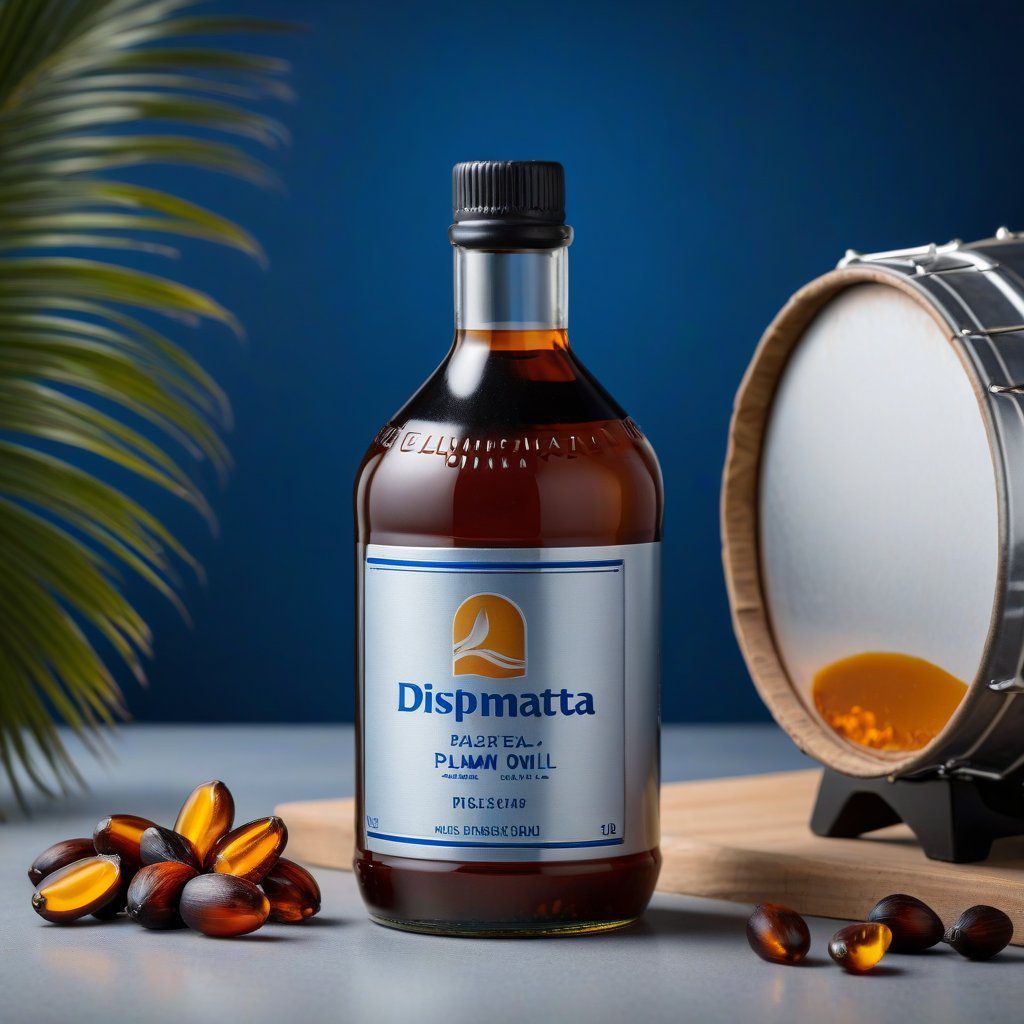
Palm kernel oil logistics is a complex, high-volume discipline that combines procurement acumen, risk management, and end-to-end visibility.
For organizations that demand reliability at scale, the right logistics partner can transform variability into consistent supply, lower total cost, and faster time-to-market.
With more than two decades navigating the chemical and oleochemical sectors, Diplomata Comercial brings a proven approach to palm kernel oil logistics that aligns with large-volume operations, global sourcing, and strict quality requirements.
This guide presents a practical, human-centered framework to optimize the Palm kernel oil logistics lifecycle—from supplier qualification to final delivery—with real-world tactics you can implement today.
You’ll discover how to reduce stockouts, improve traceability, and accelerate cross-border shipments while maintaining the highest quality standards that international buyers expect.
The practices shared here reflect our experience across HPPC, pharma, industrial chemicals, and animal nutrition, and are designed to help your organization achieve consistent performance in volatile markets.
As you read, consider how each step fits your company’s procurement strategy, regulatory posture, and sustainability objectives.
Understanding Palm Kernel Oil Logistics for Large-Volume Supply
Key components of the Palm Kernel Oil Supply Chain
The palm kernel oil supply chain blends raw material sourcing, refining, packaging, storage, and transportation into a seamless flow.
At scale, the critical components include supplier engagement, quality assurance, inventory planning, and multi-modal transport planning.
In practice, this means establishing clear specifications for quality control, maintaining robust documentation, and coordinating with factories, refineries, and distribution centers.
Our 20 years of market experience show that a well-defined sequence reduces lead times and minimizes variance between planned and actual deliveries.
A reliable supply chain also depends on transparent communication with suppliers and continuous monitoring of key performance indicators (KPIs) such as on-time-in-full (OTIF) and product conformity rates.
By aligning each node of the chain with strict standards, you create predictable performance that can be scaled across regional markets. Inventory visibility and traceability are not luxuries; they are prerequisites for operational excellence in high-volume palm kernel oil logistics.
To operationalize these components, companies should implement a standard operating framework that includes supplier onboarding checklists, material specifications, sampling plans, and batch-traceability workflows.
Practical, field-tested procedures help ensure consistency when expanding supplier networks or entering new geographies.
The result is a resilient pipeline capable of absorbing demand spikes and regulatory scrutiny without compromising product integrity or delivery speed.
A disciplined approach to the supply chain also supports your ability to meet customer expectations for lead times, lot sizes, and packaging formats across diverse industries.
Regulatory and Compliance Considerations
Compliance rests on a combination of product standards, labeling requirements, and international trade controls.
Companies that operate at scale must stay current with pharmaceutical-grade or food-grade specifications where applicable, as well as the latest import/export regulations, sanctions screening, and recordkeeping mandates.
Our team routinely collaborates with customers to map compliance requirements to operational workflows, ensuring that every shipment passes through proper quality gates before it leaves the facility.
The right governance reduces risk, avoids delays at borders, and protects brand reputation in global markets.
For palm kernel oil, governance often intersects with sustainability standards, material safety data sheets (MSDS), and origin declarations, all of which underpin trust with international buyers.
Implementing a structured compliance program accelerates audits and demonstrates due diligence to customers and regulators alike.
Strategic Sourcing and Supplier Qualification for Palm Kernel Oil
Evaluating Palm Kernel Oil Suppliers
Strategic sourcing begins with a rigorous supplier evaluation framework.
We recommend a multi-criteria approach that weighs quality systems, production capacity, financial stability, and geographic risk.
In practice, this means performing on-site assessments, requesting third-party audit reports, and validating certifications such as GMP, ISO 9001, and relevant oleochemical standards.
A disciplined supplier scorecard helps procurement teams compare candidates objectively and maintain a reliable pipeline for large-volume needs.
It’s also essential to verify sustainable practices and traceability across the palm kernel oil supply chain, particularly when buyers require assurance on responsible sourcing.
Through years of international collaboration, Diplomata Comercial has built a network of trusted producers who can meet high-volume demands while maintaining consistent quality and compliance across borders. Supply security and certified sustainability are not optional; they are foundational to long-term partnerships.
Beyond certifications, practical supplier qualification includes sample testing, scent and color assessments, and batch-to-batch consistency analyses.
When evaluating suppliers, consider their contingency plans for disruptions (e.g., weather events or logistics bottlenecks) and their ability to provide alternate logistics routes or contingency stock.
This resilience matters more in volatile markets where single-source dependence can threaten continuity.
Diplomata Comercial emphasizes supplier diversification as a core strategy to balance risk and maintain competitive pricing while preserving quality standards across the palm kernel oil supply chain.
Contracts and Risk Mitigation
Well-structured contracts translate risk into predictable terms.
Key elements include price formulas tied to feedstock indices, lead-time commitments, quality acceptance criteria, and defined penalties or incentives for performance deviations.
For large-volume supply, it’s prudent to embed service-level agreements (SLAs) for delivery windows, loading and unloading responsibilities, and documentation accuracy.
Risk mitigation also involves clear incident response procedures for product recalls, contamination concerns, or logistic delays.
In our practice, a well-designed contract reduces ambiguity, speeds up dispute resolution, and preserves working capital by avoiding over- or under-commitment during market fluctuations.
Negotiating favorable terms requires collaboration between commercial, logistics, and quality teams to ensure that both parties share a realistic expectation of capability and safety compliance.
Storage, Handling, and Quality Control in Palm Kernel Oil Logistics
Temperature Control and Contamination Prevention
Proper storage conditions are critical to maintaining palm kernel oil quality at scale.
Temperature control, cleanliness, and segregation of batches prevent degradation, off-flavors, or cross-contamination with other products.
In practice, this means climate-controlled facilities, dedicated tanks or silos, and meticulous cleaning protocols between batches.
Short, focused sanitation routines minimize downtime while protecting product integrity.
For large-volume operations, real-time monitoring using connected sensors helps detect deviations early, enabling rapid corrective actions.
Our approach combines on-site SOPs with digital alerts that trigger containment procedures and traceable maintenance logs.
The result is fewer quality excursions and a smoother path from storage to transportation. Quality assurance and contamination prevention are essential to sustaining customer trust across markets that demand strict product specifications.
Additionally, consider packaging and container integrity, especially when exporting.
Seals, labeling, and tamper-evidence must comply with international requirements, and petroulatory packaging considerations—like liners and venting—help ensure stability during transit.
A disciplined storage strategy aligns with the broader logistics network, enabling faster order-to-cash cycles and fewer disruptions due to spoilage or packaging failures.
QA/QC Documentation and Traceability
Comprehensive documentation is the backbone of trust with buyers and regulators.
A robust QA/QC framework includes batch records, certificate of analysis (CoA), supplier declarations, and incident logs.
For large-volume shipments, traceability at the batch level enables rapid root-cause analysis if issues arise, and supports responsible sourcing narratives that many customers now require.
In practice, documentation should be standardized, digitized where possible, and easily retrievable for audits or customer inquiries.
Diplomata Comercial emphasizes end-to-end traceability and transparent reporting, which helps buyers satisfy both internal governance and external compliance requirements.
Strong documentation also speeds customs clearance by providing consistent, machine-readable data for cross-border shipments.
Transportation Modes and Network Design for High-Volume Palm Kernel Oil
Inland Freight and Port Handling
High-volume palm kernel oil logistics relies on a carefully designed network that optimizes inland freight, port access, and terminal handling.
The goal is to minimize handling steps while preserving product quality and reducing dwell times.
Our approach blends dedicated fleet solutions with trusted third-party logistics (3PL) providers to secure reliable velocity from manufacturer to port, then from port to destination.
This requires reliable scheduling, real-time visibility, and contingency planning for port congestion or equipment shortages.
In practice, you’ll implement standardized loading plans, pre-staging at facilities, and synchronized dock appointments to accelerate throughput.
The outcome is shorter cycle times and lower exposure to port-related delays, especially in peak seasons. Logistics optimization and terminal efficiency drive measurable gains in large-volume operations.
Beyond efficiency, inland freight design should account for regional road restrictions, driver hours of service (HOS) rules, and weather-related risk.
Our teams map these factors into the daily transportation plan, ensuring that product arrives at the right location, at the right time, and in the right condition for onward export or distribution.
International Freight and Incoterms
Cross-border shipments introduce another layer of complexity.
Selecting appropriate Incoterms, arranging multimodal transport, and coordinating with customs brokers are essential for predictable international delivery.
Our guidance is to pair Incoterms that clarify responsibilities with risk-sharing arrangements that align with your cash flow and risk tolerance.
For palm kernel oil, common routes involve ocean freight in bulk or ISO-tank containers for refined products, complemented by rail or road transport to final destinations.
Documentation should cover CoAs, origin declarations, fumigation certificates if applicable, and clear port-of-entry instructions.
Diplomata Comercial leverages global partnerships to secure capacity, maintain regulatory compliance, and optimize transit times, delivering consistent results for buyers and suppliers alike. Customs clearance and multimodal coordination are critical to successful international logistics programs.
Digital Tools and Data-Driven Optimization in Palm Kernel Oil Logistics
Real-Time Tracking, ETA, and Warehouse Management
Digital tools transform visibility from a passive status to an active driver of performance.
Real-time tracking of shipments, automated ETA updates, and integrated warehouse management systems (WMS) enable proactive decision-making and exception handling.
In practice, you can reduce safety stock while preserving service levels by using data-driven replenishment and slotting strategies.
A modern stack often combines transport management systems (TMS) with warehouse control, inventory analytics, and dashboards that highlight exceptions such as late arrivals or unplanned transfers.
The result is improved customer responsiveness and tighter control over working capital.
Our experience shows that strong digital foundations translate into faster onboarding for new suppliers and smoother validation during audits. Real-time visibility and inventory optimization are essential for large-volume palm kernel oil programs.
In addition, digital tools support environmental and sustainability reporting by capturing energy use, emissions, and waste metrics across the logistics network.
This data can be leveraged to meet ESG expectations and to communicate responsible practices to customers and regulators.
Analytics, Forecasting, and Inventory Optimization
Data analytics turn historical shipments into actionable forecasts.
By analyzing demand signals, seasonality, and supplier lead times, teams can optimize safety stock levels, order quantities, and production schedules.
A mature analytics practice uses scenario planning to test how supply disruptions or price volatility would affect service levels and costs.
The benefits appear in reduced stockouts, lower obsolescence, and more accurate budgeting for transportation and warehousing.
Diplomata Comercial integrates industry benchmarks, internal KPIs, and customer-specific targets to generate aligned forecasts that help every stakeholder plan with confidence. Forecasting accuracy and scenario planning are powerful levers for large-volume operations.
Additionally, performance dashboards should be actionable, not just informative.
Pair metrics with root-cause analyses to identify process improvements, whether in supplier qualification, batch testing, or route optimization.
The practical payoff is a logistics network that adapts quickly to demand shifts while preserving product quality and regulatory compliance.
Sustainability, Compliance, and Global Trade Considerations
Environmental, Social, Governance in Palm Kernel Oils
Sustainability in palm kernel oil logistics spans environmental stewardship, social responsibility, and governance.
Buyers increasingly seek evidence of responsible sourcing, reduced carbon intensity, and transparent supply chains.
Practical steps include mapping environmental footprints across the supply chain, adopting responsible sourcing policies, and reporting progress against established ESG targets.
In real-world terms, this translates into selecting partners with robust sustainability programs, verifying supplier practices, and communicating progress through credible reporting.
Diplomata Comercial prioritizes international standards and stakeholder collaboration to deliver sustainable, scalable solutions without compromising performance.
These commitments strengthen client trust and differentiate your program in competitive markets. Sustainable sourcing and ESG transparency are not ancillary considerations; they are strategic imperatives for modern palm kernel oil logistics.
Certifications and Sustainability Standards
Standards such as RSPO and other regional sustainability certifications play a crucial role in credible palm kernel oil programs.
Certifications help buyers meet regulatory expectations, align with corporate sustainability goals, and ensure traceable origin.
Practical adoption involves ensuring supplier certification status is current, maintaining audit-ready documentation, and validating continuous improvement actions.
The Roundtable on Sustainable Palm Oil (RSPO) in particular provides a widely recognized framework for responsible production.
Linking your logistics program to these standards reduces compliance risk and enhances market access.
Diplomata Comercial stays abreast of evolving certifications, integrating them into supplier qualification, contract terms, and performance reporting to support your sustainable growth objectives.
For more information on RSPO standards, you can visit https://www.rspo.org.
Why Diplomata Comercial Is Your Palm Kernel Oil Logistics Partner
Global Reach, Local Expertise
Diplomata Comercial is a trusted name in the chemical and oleochemical sectors with a global footprint and deep local knowledge.
Our teams blend technical expertise with practical execution, ensuring that large-volume palm kernel oil programs run smoothly from sourcing to delivery.
We focus on reliability, scale, and traceability to support complex procurement and logistics ecosystems.
Our approach is informed by years of experience serving HPPC, pharma, industrial chemistry, food ingredients, and animal nutrition sectors.
The result is a partner that not only supplies product, but also provides logistics solutions that improve efficiency, reduce risk, and unlock new markets.
When customers need to source responsibly and move product quickly, Diplomata Comercial stands ready with an integrated, end-to-end solution.
Supply chain integration and customized service define our service model.
We tailor procurement strategies, port-to-door networks, and digital visibility to your unique requirements, ensuring alignment with your commercial and regulatory objectives.
Our track record includes rapid onboarding of new suppliers, streamlined cross-border activities, and consistent delivery performance across multiple regions.
Partnering with Diplomata Comercial means gaining access to a global network, robust quality systems, and a commitment to continuous improvement that drives value for your organization.
Case-Study Mindset and Practical Outcomes
Although we do not disclose proprietary data, the practical outcomes of working with Diplomata Comercial typically include improved OTIF, shorter cycle times, more accurate forecasting, and enhanced supplier collaboration.
Our methodology emphasizes practical, measurable steps that translate into real-world results: slower elevated stock, fewer quality excursions, and a stronger competitive position in both domestic and international markets.
We use a case-study mindset to identify what works for your segment—whether you’re supplying large-scale food ingredients, industrial oleochemicals, or nutraceuticals—and apply proven tactics that scale with your business.
To begin a conversation about Palm kernel oil logistics tailored to your company, reach out to our team.
We will map your current state, define a target operating model, and outline a phased roadmap designed to deliver tangible improvements in 90 days and beyond.
Our global network, combined with deep industry knowledge, positions Diplomata Comercial as a premier supplier, distributor, and exporter of palm kernel oil for large-volume supply—and a trusted partner for long-term growth.
Próximos Passos Estratégicos
To capitalize on the insights shared in this guide, start with a quick readiness assessment of your palm kernel oil program.
Identify gaps in supplier qualification, documentation standards, and real-time visibility.
Then, engage Diplomata Comercial for a collaborative workshop to co-create a tailored logistics playbook—covering sourcing, storage, transport, and compliance—that aligns with your strategic goals, budget, and risk tolerance.
The path to scalable, reliable palm kernel oil logistics is built on disciplined processes, data-driven decisions, and strong partnerships.
Contact us to explore how our 20 years of market experience can turn your large-volume requirements into a competitive advantage.
Frequently Asked Questions
What is palm kernel oil logistics and why does it matter for large-volume supply?
Palm kernel oil logistics is the end-to-end management of sourcing, refining, packaging, storage, and transportation of PKO at scale. It matters because reliable logistics reduce variability, shorten lead times, and lower total cost for large-volume supply chains. For organizations requiring consistency, a capable logistics partner can transform volatility into predictable delivery.
How does end-to-end visibility influence palm kernel oil supply chain performance?
End-to-end visibility provides real-time insight into supplier performance, production bottlenecks, and transit status from refinery to customer. It enables proactive risk management, better inventory planning, and faster corrective actions. This visibility helps align planning with execution, reducing stockouts and missed deadlines.
What factors should you consider when qualifying suppliers for PKO logistics?
Key factors include quality certifications and documented QA processes, the supplier’s refining capacity, and the ability to meet large-volume demand. Evaluate track record in oleochemical markets, regulatory compliance, and traceability systems. Also assess sustainability practices and alignment with your procurement standards.
What strategies help minimize stockouts in palm kernel oil logistics?
Use accurate demand forecasting, set safety stock levels, and diversify supplier and transport options to reduce single points of failure. Streamline lead times with contract commitments and proactive replenishment, plus buffer critical components in regional hubs. Regular performance reviews help adjust plans before shortages occur.
Why is quality assurance essential in palm kernel oil supply chain management?
Quality assurance defines precise specifications for PKO, monitors batch consistency, and ensures compliant documentation across sourcing, refining, and shipping. Robust QA minimizes deviations, supplier recalls, and regulatory risks that could disrupt supply. It also supports traceability buyers rely on for audits and product integrity.
How do multi-modal transport and cross-border shipments work for PKO?
PKO logistics often combine sea, road, rail, and sometimes air freight to balance cost and speed. This requires clear documentation, correct tariffs, and strict compliance with customs, incoterms, and product-specific regulations. Coordinating with a knowledgeable logistics partner helps optimize routes and transit times while preserving quality.
What are common risks in palm kernel oil logistics and how can they be mitigated?
Common risks include price volatility, regulatory changes, quality deviations, and transportation delays. Mitigation involves long-term contracts, hedging strategies, rigorous QA, diversified sourcing, and contingency planning for disruptions. A proactive risk-management framework keeps supply steady even in volatile markets.
How can partnering with an experienced logistics provider improve PKO logistics at scale?
An experienced partner brings proven processes, global sourcing networks, and end-to-end visibility tailored to large-volume PKO operations. They can optimize procurement, reduce variability, and accelerate time-to-market while controlling costs. The right partner aligns with your regulatory posture, sustainability goals, and quality expectations.