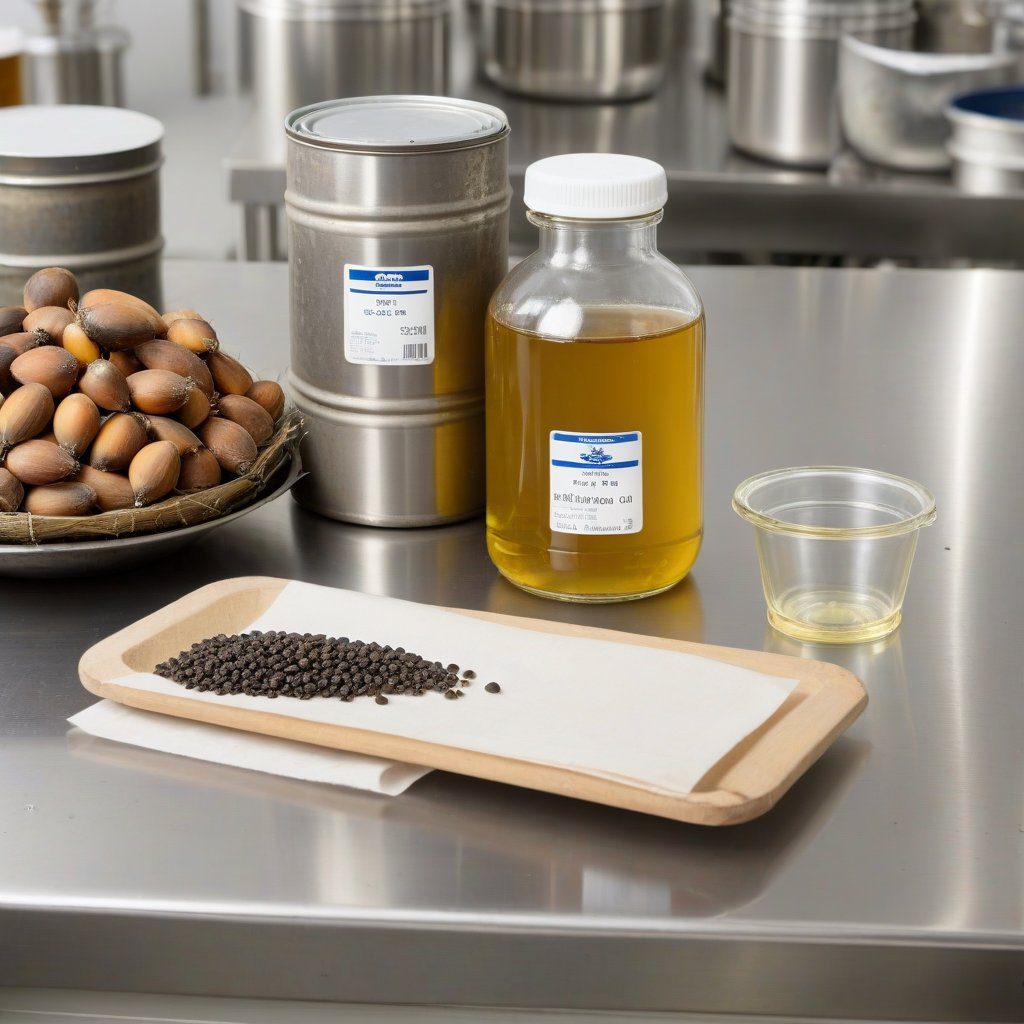
Palm kernel oil (PKO) is a versatile, high-stability fat option that can unlock superior texture, mouthfeel, and shelf life across a range of food applications.
In the last two decades, our team at Diplomata Comercial has partnered with manufacturers in margarine, confectionery, and snacks to optimize PKO use through precise formulation, rigorous quality control, and reliable global supply.
We’ve seen how even small adjustments to the fat blend, crystallization behavior, or processing temperatures can translate into meaningful product advantages—less bloom, better spreadability, and more consistent bite profiles across batches.
This guide distills practical insights drawn from real-world experience, focusing on how to apply PKO effectively in three core segments of the food industry.
It also highlights how a strategic supplier partnership can reduce risk, improve traceability, and accelerate time to market for your PKO-based formulations.
As a reference point, Diplomata Comercial combines twenty years of technical expertise with global logistics capability to deliver palm kernel oil at scale, with the quality, sustainability, and service that B2B buyers expect. Palm kernel oil is a cornerstone ingredient in modern fat systems, and the right sourcing approach makes all the difference for processors, brand owners, and contract manufacturers alike.
Palm Kernel Oil in Margarine: Why It Matters and How to Optimize Formulations
Margarine formulations demand fats that deliver stable solid fat content, clean flavor, and reliable bloom control.
PKO’s high saturated fat content and lauric-rich profile give margarine blends the firm structure needed for slicing, packaging, and spreading properties at refrigeration temperatures.
In practice, successful margarine systems blend PKO with other fats to achieve the target hardness at room temperature and the desired melt behavior in the mouth.
For processors, the challenge is balancing crystallization kinetics with the emulsification system to prevent phase separation during processing and storage.
Our teams work closely with clients to tailor PKO blends that align with equipment, process lines, and packaging formats, while maintaining consistent sensory attributes across production lots. Quality control measures—such as routine refinery checks, crude-to-refined ratio tracking, and full traceability—are essential to sustain performance in high-volume production. Technical rigor in formulation development translates into measurable gains in process efficiency and product uniformity. Global sourcing ensures steady availability of PKO blends that meet your specification, even in volatile markets.
Fatty Acid Profile and Functional Roles
The functional value of PKO in margarine hinges on its fatty acid composition.
PKO typically offers a high level of saturated fats and lauric acids, contributing to solid fat content and sharp melting behavior.
When used in blends, PKO helps achieve a spreadable yet sturdy product that resists oil separation during storage. Consistency across lots is critical, so we emphasize tight controls over crude quality, refining, and deodorization steps.
This translates to predictable performance in texture and mouthfeel, which matters for consumer acceptance and labeling consistency.
Processing Considerations in Margarine Formulation
Crystallization control is central to margarine success.
PKO’s fat crystallization tendencies interact with tempering profiles and emulsifier systems.
In practice, our formulation teams test PKO blends at multiple temperatures to map bloom risk and to optimize crystallization during the coagulation step.
This approach reduces waste during production runs and improves batch-to-batch uniformity.
Using PKO in margarine also allows for accelerated crystallization during cold handling, which is beneficial for packaging lines with tight downtime windows. Process optimization and crystallization control are the twin pillars of reliable margarine performance when PKO is part of the fat system.
We support customers with pilot-scale trials and data-backed recommendations that align with their equipment and line speeds.
Palm Kernel Oil in Confectionery: Texture, Crystallization, and Shelf Stability
Confectionery formulations demand precise control over viscosity, crystal formation, and sensory cues like mouthfeel and gloss.
PKO’s relatively stable crystallization characteristics can be leveraged to achieve smooth, uniform textures in chocolate enrobes, fillings, and sugar-based products.
In practice, PKO blends influence crystallization pathways and fat bloom behavior, enabling more predictable finishes across seasonal production.
Our technical teams work with confectionery partners to integrate PKO in ways that harmonize with cocoa butter systems, cocoa percentages, and fillings, delivering consistent product quality from batch to batch.
The result is a reliable platform for texture development, flavor release, and shelf stability—even in demanding distribution environments. Transparency in supply and consistent sensory outcomes are the foundation of our approach to PKO in confectionery.
Crystallization Behavior and Bloom Control
Crystallization behavior governs how a confectionery product sets and how it maintains its texture over time.
PKO contributes to a stable crystalline network that supports smooth snap and clean bite when blended with other fats.
To prevent bloom and ensure a uniform appearance, formulation engineers adjust tempering profiles and choose PKO blends with compatible polymorphism.
Our experience shows that small adjustments—such as tweaking the PKO-to-cocoa butter ratio or refining the processing temperature window—can yield noticeable improvements in bloom resistance and mouthfeel. Crystallization control and texture optimization are the core objectives in confectionery projects that include PKO.
Flavor, Color, and Shelf Life
PKO has a neutral flavor contribution, which is advantageous when you want the chocolate or filling flavors to shine.
In color-sensitive products, PKO’s natural hue is typically well-tuned with refining steps to preserve clarity and gloss.
Shelf life benefits come from PKO’s oxidative stability in many formulations, particularly when packaged away from heat and light.
Our teams coordinate with suppliers to verify quality standards and ensure that PKO used in confectionery aligns with your product’s labeling and regulatory requirements.
Palm Kernel Oil in Snacks: Frying, Texture, and Flavor Integrity
Snack foods demand fats that withstand high-temperature processing, deliver crunch, and resist adverse flavor transfer.
PKO’s balance of stability and firmness makes it a popular choice for fried snacks, baked snacks, and extruded products.
By selecting PKO blends with appropriate solid fat content and refining to the right flavor neutrality, manufacturers can achieve consistent texture profiles across diverse formats.
Our work with snack producers emphasizes compatibility with dough systems, sufficient oil stability during frying, and predictable oil uptake patterns that influence texture and mouthfeel. Operational efficiency and product consistency are the goals when PKO is deployed in snack formulations.
Frying Performance and Oil Stability
For industrial frying, oil stability and heat endurance are critical.
PKO blends contribute to lower oil absorption in certain snack formats and reduce flavor carryover, helping to maintain crispness after frying.
We guide clients through fryer oil management strategies—filtering schedules, oil turnover planning, and appropriate antioxidant use—to sustain performance over longer production campaigns.
The practical payoff is a more stable frying medium, less degradation over time, and reliable product texture after frying. Frying performance and oil stability are achieved through careful blend design and process controls.
Texture and Mouthfeel in Popular Snack Formats
In snacks, mouthfeel is as important as taste.
PKO can contribute to a clean, crunchy bite in chips, crackers, and extruded snacks, while maintaining a crisp exterior and a cohesive interior.
The key is to balance PKO with other fats to tailor melt-in-your-mouth attributes and to prevent excessive oil migration.
Our practical approach uses targeted pilot runs and sensory evaluation panels to dial in the right PKO proportion for each product family.
The result is a scalable formula that delivers repeatable texture across lines and facilities.
Ensuring Quality and Compliance: Standards, Sustainability, and Traceability
For food manufacturers, verification of quality, safety, and ethical sourcing is non-negotiable.
PKO specifications are driven by regulatory, industry, and customer requirements.
Our sourcing and QC teams implement multi-layer checks—from raw material acceptance to finished product testing—to ensure PKO meets exacting standards.
Emphasizing traceability helps buyers verify origin, processing steps, and conformance with specifications.
We also help clients align PKO programs with sustainability goals, including certified supply chains and responsible sourcing frameworks that reassure brand owners and consumers. Regulatory compliance and certified sustainability are integral to every PKO engagement.
Quality Standards (USP, Food-Grade, and Certifications)
Reputable PKO suppliers provide materials that meet recognized food-grade standards and third-party certifications.
We work with partners who align PKO refinements and finishes with USP-grade quality, commodity-grade specifications where appropriate, and robust quality-management systems.
Documentation, lot traceability, and conformity assessments support your QA program and facilitate audits or customer inspections.
Keeping pace with evolving quality expectations is part of our service model, so your PKO supply remains compliant and dependable.
Sustainability, Traceability, and Responsible Sourcing
Consumers and regulators increasingly demand transparent supply chains.
Our sourcing philosophy emphasizes sustainability and traceability, enabling you to confirm origin, processing methods, and environmental considerations.
We work with international partners to ensure PKO is produced, stored, and transported with responsible practices, meeting both global standards and local requirements.
This alignment supports brand integrity, risk management, and long-term supplier relationships.
How to Source Palm Kernel Oil: A Practical Supplier Checklist
The choice of supplier can determine not only the quality of PKO but also the reliability of deliveries, documentation, and technical support.
Our practical checklist helps you assess potential partners and build a sourcing plan that fits your production calendar, regulatory needs, and quality expectations.
The right supplier will partner with you on formulation guidance, pilot testing, and scale-up considerations. Supply chain resilience, technical support, and global reach are central to a successful PKO program.
Supplier Evaluation Checklist
Use this quick reference when evaluating PKO suppliers:
- Track record in oleochemicals and food-grade oils, with multi-year proof of performance
- Comprehensive quality assurance programs, including raw material audits and finished product QC
- Clear traceability from origin to destination, with batch-level documentation
- Robust logistics capabilities and flexible lead times to support your production schedule
- Strong compliance with food safety standards (USP, ISO, regulatory labels)
Logistics, Lead Times, and Regulatory Compliance
In global supply chains, predictable lead times and responsive logistics are as important as product quality.
A reliable PKO partner provides proactive scheduling, transparent freight terms, and contingency planning for rough seas, port congestion, or currency volatility.
Regulatory compliance includes accurate labeling, allergen controls (where applicable), and documentation that supports your internal audits and customer requirements.
Our approach centers on collaboration, ensuring you receive PKO that meets your timeline and quality expectations while maintaining full regulatory alignment.
Real-World Applications: Case Examples from Margarine, Confectionery, and Snacks
The practical value of PKO emerges when theory meets production realities.
Across margarine, confectionery, and snacks, our clients have implemented PKO-based fat systems to achieve better process stability, more consistent textures, and reliable product performance in the market.
While each project is unique, common threads include targeted pilot tests, close collaboration with formulation scientists, and rigorous QA protocols that protect brand quality.
Through these engagements, Diplomata Comercial demonstrates how a disciplined PKO program can translate into real business results—faster time-to-market, fewer line stops, and improved customer satisfaction.
Margarine Case Snapshot
A multinational margarine producer integrated a PKO-rich fat system into a reformulated spread to improve cold storage stability and texture uniformity.
The collaboration emphasized pilot trials, inline QC checks, and supplier coordination to ensure a consistent supply that matched the line’s throughput.
The outcome was improved product consistency across batches and a smoother transition between production runs, supporting brand integrity in a competitive market.
Confectionery Case Snapshot
In a confectionery project, PKO was used to complement cocoa butter in multi-layer fillings, delivering stable crystallization and a clean mouthfeel.
Through meticulous tempering control and close supplier collaboration, the team achieved reliable finish and gloss in the final products, with consistent sensory performance across packaging formats.
Snacks Case Snapshot
A snack manufacturer adopted PKO blends to maintain crunch and reduce oil migration in fried and baked formats.
The process focused on oil uptake management, fryer management strategies, and a QA cadence that safeguarded texture consistency from pilot to full-scale production.
The result was a dependable fat system that supported scale-up without sacrificing product performance.
Practical Roadmap: 90-Day Plan to Implement Palm Kernel Oil in Your Product Line
Implementing PKO in a new product or reformulation requires a structured plan that bridges formulation, process, QA, and supply chain.
The following phased approach is designed to minimize risk and accelerate value realization.
Throughout, Diplomata Comercial provides hands-on support, from initial assessment to scale-up and ongoing optimization.
Phase 1: Assessment and Formula Alignment (Days 1-30)
Define objectives for texture, spreadability, and shelf life.
Map the target product portfolio and identify the PKO role in each formulation.
Conduct a technical gap analysis to compare current fat systems with PKO-based options.
Initiate supplier conversations to confirm certifications and available lots that fit your specifications.
Key actions include setting up pilot targets, drafting testing protocols, and aligning regulatory labeling requirements with PKO usage.
Documentation and risk reviews should be completed early to prevent delays later in the project.
Phase 2: Pilot and Scale-Up (Days 31-60)
Run small-scale trials to evaluate texture, bloom behavior, and sensory attributes in margarine, confectionery, or snacks.
Use pilot-scale equipment to mirror production lines and capture data on crystallization kinetics, oil uptake, and melt profiles.
Engage in close collaboration with your PKO supplier to adjust blends, refine processing windows, and confirm batch-to-batch consistency.
The objective is to generate robust data and validated process parameters that translate to full-scale production.
Document any operational adjustments needed for plant-wide implementation.
Phase 3: Validation, Compliance, and Commercialization (Days 61-90)
Validate performance against target specifications, finalize supplier agreements, and establish ongoing QA and traceability processes.
Ensure all documentation supports audits and customer claims.
Finalize a rollout plan with clear lead times, safety stock targets, and communication protocols with your PKO partner.
This phase cements supply reliability and regulatory readiness for market introduction.
By day 90, you should have a go-forward plan that aligns your production schedule with PKO supply and quality expectations, supported by a proven data package from pilot testing.
This structure reduces risk and accelerates time to market for new or reformulated products.
Practical Next Steps: Why Diplomata Comercial Should Be Your Palm Kernel Oil Partner
Choosing a PKO supplier is more than a price decision; it’s a strategic choice about quality, stability, and long-term value.
Diplomata Comercial brings two decades of experience in fabrication, import/export, and distribution of chemical and oleochemical inputs.
Our client-focused approach emphasizes global reach, rigorous quality control, and supply chain resilience, ensuring your PKO programs stay on track in any market scenario.
We tailor technical guidance to your sector—HPPC, food ingredients, and nutrition—with a practical emphasis on measurable outcomes, not vague promises.
If you’re searching for a dependable palm kernel oil supplier that can scale with your business, consider how a structured PKO program—backed by a trusted partner—can streamline formulation, reduce risk, and improve overall product quality.
To explore how PKO can fit your portfolio, contact Diplomata Comercial for a confidential consultation.
Our team can outline a customized PKO plan that aligns with your product targets, regulatory requirements, and supply-chain objectives. Quality, credibility, and global capability define our approach to supplying palm kernel oil for margarine, confectionery, and snacks.
For further reading on standards and best practices, you may review authoritative resources on FDA guidelines for food fats and oils, or consult standard-setting bodies such as USP for quality specifications.
These references can help validate your sourcing and QA processes as you evaluate PKO suppliers and develop your own internal criteria for vendor selection.
Frequently Asked Questions
What is palm kernel oil and why is it used in margarine?
Palm kernel oil (PKO) is a high-stability fat with a lauric-rich profile. In margarine formulations, PKO provides a firm structure and stable solid fat content that aids slicing, packaging, and spreading at refrigeration temperatures. It blends with other fats to achieve the target hardness at room temperature and desirable melt behavior in the mouth.
How does PKO influence crystallization and bloom control in margarine formulations?
PKO’s saturated fat content and crystallization kinetics help form stable fat crystals that resist bloom. By adjusting the PKO-to-fat blend and processing temperatures, manufacturers can fine-tune bloom suppression and texture development. Small formulation tweaks can translate into better spreadability and consistent bite across batches.
What should manufacturers know when applying PKO in confectionery products?
PKO can contribute to texture, mouthfeel, and controlled melt in confectionery applications, but it must be compatible with emulsifiers and sugar systems. The key is balancing crystallization behavior with tempering and processing to avoid unwanted bloom or tackiness. Work with precise formulation and quality control to maintain product quality.
Can PKO improve texture and shelf life in snacks?
Yes, PKO’s stability and lauric composition support crisp texture, mouthfeel, and extended shelf life in snack products. Optimizing the fat blend and processing temperatures helps achieve the desired crunch without sacrificing consistency. Regular quality checks ensure batch-to-batch uniformity.
What are best practices for integrating PKO into fat blends for stable solid fat content?
Aiming for precise formulation that balances crystallization kinetics with emulsification systems helps achieve target hardness at room temperature. Control processing parameters, including mixing, temperature, and cooling profiles, to manage crystal size and bloom resistance. Partner with reliable suppliers to ensure consistent PKO quality and supply.
How can selecting a strategic PKO supplier reduce risk and speed time to market?
A strategic PKO supplier provides rigorous quality control, traceability, and global logistics that minimize supply disruptions. They help align PKO specifications with your formulation needs, reducing rework and delays. A strong supplier relationship accelerates formulation development and scale-up.
What processing parameters influence PKO performance in margarine and confectionery?
Key parameters include crystallization temperature, cooling rate, emulsifier choice, and blending sequence. Small shifts in temperature or shear can change crystal form, bloom resistance, and mouthfeel. Establish consistent process windows to achieve reproducible results.
Are there sustainability considerations when sourcing palm kernel oil?
Yes. Look for responsible sourcing, traceability, and certifications like RSPO to mitigate environmental and social risks. Ask suppliers for sustainability programs, supply chain transparency, and audits. Responsible PKO sourcing supports product claims and brand value.