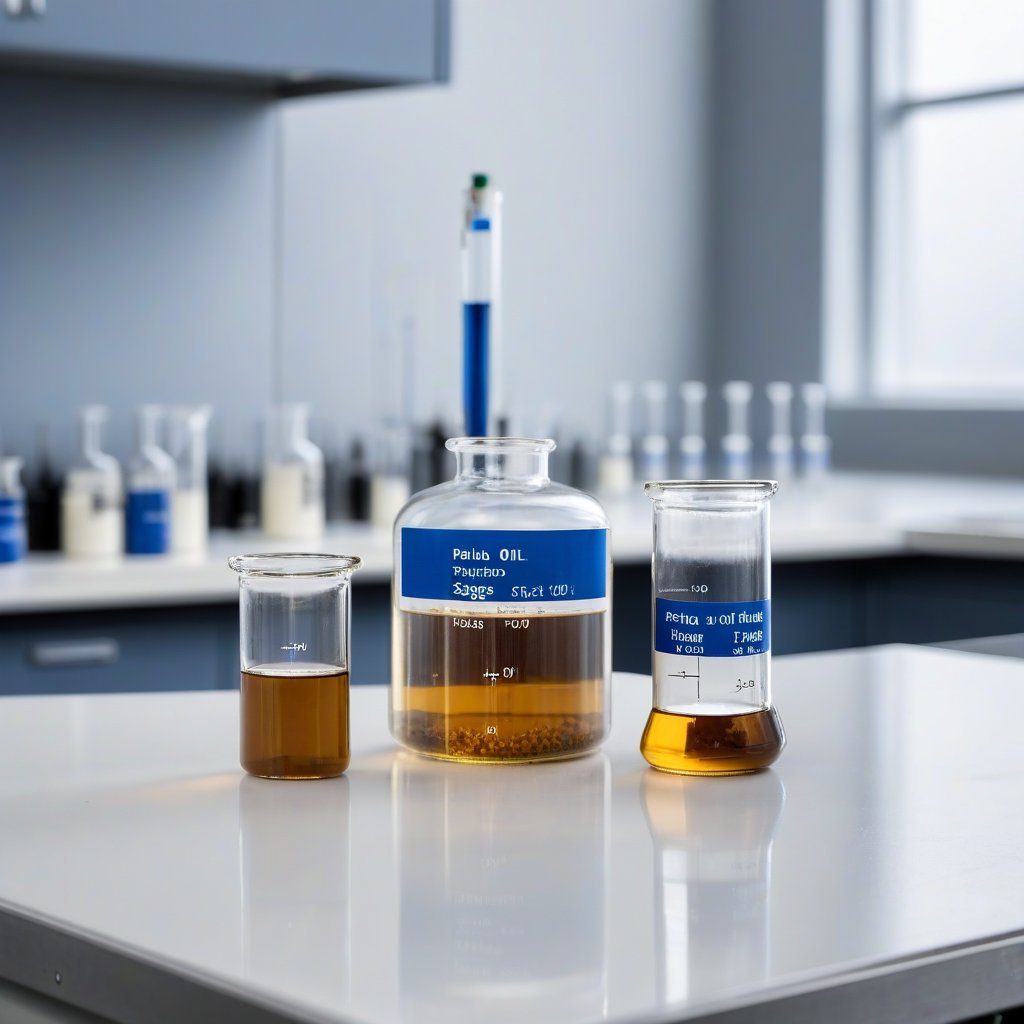
Palm Kernel Oil: Crude, Bleached, and Refined Applications Across Industries
For buyers seeking reliable supply and consistent performance, understanding the journey of palm kernel oil from crude to refined forms is essential.
At Diplomata Comercial, we leverage more than 20 years of market experience to connect industrial customers with oils that meet strict quality, regulatory, and sustainability standards.
This guide explains how Palm Kernel Oil progresses through crude, bleached, and refined stages, and how each form supports diverse applications across HPPC, pharma, industrial chemistry, food ingredients, and animal nutrition. Industry insights and global sourcing capabilities underpin our recommendations, helping you optimize procurement, reduce risk, and improve formulation performance.
Our approach blends technical rigor with practical application.
You’ll see concrete examples of how PKO variants integrate into lubricants, soap noodles, biodiesel precursors, soft fats, cosmetic bases, and specialty oleochemicals.
With international reach and local execution, Diplomata Comercial stands as a trusted partner for manufacturers, distributors, and end-users who require scale, traceability, and dependable supply chains.
Throughout this guide, you’ll find actionable takeaways, concrete metrics, and a roadmap to select the right PKO form for your product line.
We’ll also share how to assess quality, manage logistics, and align with regulatory and sustainability expectations in 2025 and beyond.
This is not a sales pitch in isolation; it’s a practical playbook built on real-world experience and a commitment to value creation for your business.
Palm Kernel Oil: Crude, Bleached, and Refined Applications Across Industries
The journey from crude palm kernel oil to highly refined products mirrors the needs of different industries: oil chemistry requires stability and purity, while consumer-facing applications demand sensory qualities and regulatory compliance.
In practice, customers who partner with Diplomata Comercial benefit from a structured pathway that translates technical specifications into reliable supply, measurable performance, and predictable pricing.
Below, we break down the three core forms and how they map to common industrial use cases.
Crude PKO forms the backbone of many oleochemical production lines.
It offers a robust, cost-effective base that can be upgraded through downstream processing.
Bleached PKO, with its lighter color and improved consumer- and regulator-facing characteristics, is favored when aesthetic and stability considerations are critical.
Refined PKO delivers peak consistency, purity, and compatibility across complex formulations.
Each stage supports distinct processes, and choosing the right form depends on intended use, regulatory landscape, and the desired sensory and functional profile. Industrial collaboration with a seasoned supplier accelerates product development and reduces time-to-market.
Crude PKO: Core properties, typical downstream paths, and supplier considerations
Crude PKO is characterized by its higher color intensity, broader impurity profile, and abundant fatty acids that translate into predictable saponification and interesterification behavior.
For manufacturers focused on oleochemical processing, crude PKO can be a cost-efficient starting point for soap noodles, glycerin derivatives, and high-volume feedstocks.
In many facilities, crude PKO serves as a raw material for fractional distillation, hydrogenation, and transesterification steps that yield tailored fatty acid profiles.
From a procurement perspective, reliable crude PKO sourcing hinges on clear traceability, consistent moisture levels, and stable supply routes.
The Diplomata Commercial team emphasizes supplier qualification, inbound quality checks, and coordinated logistics to minimize interruptions and variability.
In practice, this translates into shorter lead times, fewer rework cycles, and better alignment with downstream processing schedules.
In hardware and facility terms, crude PKO functions well in reactors and mixed-phase systems that tolerate minor color and impurity variations.
For teams evaluating supplier options, we recommend establishing a baseline SOS (specification, origin, and shipping) protocol: purity targets, FAO/WHO or local regulatory alignment, and robust packaging and MIL-spec or customer-specific documentation.
These checks reduce risk and support smoother production planning.
Bleached PKO: Why color, stability, and microbiological profiles matter
Bleached PKO addresses a key barrier in downstream formulations: color and minor impurities that can affect aesthetics, flavor, or the performance of emulsions.
Bleaching improves light stability, reduces color-related impurities, and enhances filtration properties for certain processing lines.
Many customers in cosmetic, personal care, and food ingredients markets demand bleached PKO to meet brand requirements and consumer expectations without compromising the oil’s functional integrity.
The bleaching stage is typically followed by deodorization and purification steps to manage odor and trace contaminants.
This sequence helps deliver a base oil that aligns with high-clarity formulations, while preserving essential fatty acids and triglyceride structures.
When selecting a bleached PKO supplier, prioritize consistency in color index, peroxide values, moisture content, and heavy metal limits.
A partner with a proven quality system can translate these metrics into dependable batch-to-batch performance.
From a business perspective, bleached PKO often supports higher-value downstream products, including specialty soaps, surfactants, and personal care bases.
The ability to source bleached PKO with predictable specs reduces reformulation risk and supports faster scale-up in production environments.
Diplomata Comercial leverages its global network to ensure a steady supply of bleached PKO that meets both regulatory and performance criteria across multiple jurisdictions.
Refined PKO: Precision, stability, and global compatibility
Refined PKO represents the pinnacle of uniformity in the PKO family.
Refining steps—typically including deodorization, winterization, and filtration—produce an oil with tightly controlled color, odor, and contaminant profiles.
This level of refinement is especially valuable for applications where precise shelf life, predictable viscosity, and consistent performance across batches matter most.
Refined PKO shines in technical lubricants, polymer additives, and high-specification oleochemical processes that require consistent feedstock characteristics.
For global manufacturing programs, refined PKO offers the advantage of cross-market compatibility.
It behaves consistently under a range of temperatures and processing conditions, which simplifies scale-up, quality assurance, and regulatory compliance.
Procurement teams should evaluate refining specifications (for example, color, acid value, saponification value, iodine value, oxidation stability), as well as the supplier’s quality management framework, traceability systems, and capacity to support long-term supply commitments.
Industrial Uses and Procurement of Palm Kernel Oil: Building a Reliable Sourcing Strategy
Industrial uses and procurement of palm kernel oil require a proactive, risk-managed approach.
Packaging, storage stability, logistics, and regulatory compliance all influence total cost of ownership and production reliability.
In practice, successful PKO programs rest on three pillars: technical alignment, supply chain resilience, and governance.
Diplomata Comercial translates these pillars into a repeatable sourcing playbook that reduces volatility and enhances value across your operations.
Technical alignment means selecting PKO forms that match the intended end-use.
For example, consumer-ready cosmetics and food ingredients may prefer bleached or refined PKO for sensory and regulatory reasons, while certain oleochemical processes tolerate crude PKO when cost efficiency outweighs color considerations.
Our team collaborates with customers to map application requirements to PKO specs, then translates those specs into supplier selection criteria, risk assessments, and ongoing performance monitoring.
Supply chain resilience focuses on continuity, visibility, and responsiveness.
We work with long-standing partner mills and distributors to guarantee supply even during market volatility or logistical disruptions.
This includes proactive capacity planning, second-source strategies, and clear escalation paths for quality incidents or supply gaps.
The outcome is a more predictable production calendar and fewer line stoppages due to material shortages.
Governance covers regulatory adherence, sustainability commitments, and ethical sourcing.
PKO procurement is subject to food and feed safety guidelines in some regions and to chemical usage regulations in others.
Diplomata Comercial emphasizes traceability, documentation, and supplier audits to ensure compliance and risk mitigation.
When you partner with us, you gain access to a global network with rigorous documentation, validated through independent assessments and ongoing monitoring.
One practical takeaway for procurement teams: establish a three-tier supplier framework—preferred global partners for refined PKO, approved regional suppliers for intermittent needs, and alternative sources as contingency.
Align quality checks with your internal QA protocols, integrate sampling plans into your production calendar, and embed feedback loops with your formulation and R&D teams.
This approach reduces risk, lowers defect rates, and accelerates time-to-market for new products.
Quality Assurance, Certifications, and Traceability in Palm Kernel Oil Supply
Quality assurance is the heartbeat of a successful PKO program.
In practice, you should expect end-to-end documentation, ISO-compliant management systems, and transparent lot-level data.
A well-structured QA program captures critical metrics—from fatty acid composition and moisture content to peroxide value, color indexes, and odor profiles.
For industries spanning food, pharma, and cosmetics, the ability to trace every batch to a supplier, origin, and production run is non-negotiable.
Certifications are a signal of reliability.
Beyond internal quality systems, many customers require third-party attestations such as GMP, HACCP for food-grade streams, and relevant pharmaceutical or cosmetic certifications.
In addition, sustainability certifications and chain-of-custody claims (where applicable) help customers meet their own ESG commitments and regulatory obligations.
Diplomata Comercial maintains rigorous supplier qualification processes, leverages international partners with established certification programs, and provides customers with documentation packets that streamline audit readiness.
Traceability is not a buzzword; it is a practical asset.
With credible data capture and integrated logistics, you can verify containerized shipments, monitor storage conditions, and retrieve inspection reports quickly.
This capability reduces guesswork, enhances accountability, and protects your brand’s integrity across global supply chains.
Our team emphasizes robust data management, ensuring that your PKO materials arrive with complete provenance, compliant with your internal specifications and external requirements.
In terms of risk management, a strong PKO program includes contingency planning, supplier diversification, and clear incident response protocols.
If a quality deviation occurs, you need rapid containment, root-cause analysis, corrective actions, and transparent communication with customers and regulators as appropriate.
Diplomata Comercial’s experience in multi-market sourcing and rapid-response logistics supports effective risk mitigation and minimizes impact on your production lines.
Choosing a Trusted Partner: Diplomata Comercial’s Global Capabilities
Two decades of market leadership shape how we serve industrial clients seeking palm kernel oil solutions.
Our team combines technical expertise in fatty acids, triglycerides, and oleochemicals with a robust global network of mills, refineries, and distributors.
We are not just a supplier—our approach is to align with your business goals, forecast demand, and deliver on commitments with precision.
This is why many manufacturers consider Diplomata Comercial a strategic partner for PKO procurement.
From a capabilities perspective, our value proposition centers on scale, reliability, and support.
We enable bulk and timed shipments that align with your production cycles, offer flexible packaging and logistics, and provide on-site technical support for formulation and process optimization.
Our specialists work with you to develop a PKO specification suite, map regulatory requirements, and establish performance benchmarks that reflect your unique product portfolio.
The outcome is a consistently reliable supply that supports cost optimization and product performance.
Our international footprint translates into practical advantages: faster lead times for critical orders, access to multiple grading standards, and the ability to source from regions with favorable price dynamics while maintaining strict quality controls.
Critical to success is the alignment of supply with your safety programs and QA processes.
Diplomata Comercial integrates supplier audits, third-party certifications, and batch-level documentation into a seamless procurement experience.
In addition to material supply, we deliver value through technical collaboration.
Our experts assist with formulation engineering, process optimization, and scale-up strategies.
This collaborative approach helps customers convert PKO variability into controllable outputs, reducing rework and accelerating new product introductions.
For organizations seeking a trusted partner for both procurement and technical guidance, Diplomata Comercial’s track record and global reach offer meaningful, measurable advantages.
Real-World Case Insights: Practical Examples of PKO Variants in Industry
Across industries, we observe several practical patterns in how crude, bleached, and refined PKO are deployed.
While each case is unique, the underlying logic remains consistent: select the form that best balances cost, performance, and regulatory requirements; ensure robust QA and traceability; and align procurement with long-term manufacturing plans.
The following examples illustrate how teams translate PKO variants into tangible outcomes.
Case 1: Soap noodles and oleochemical feedstock.
A specialty chemical producer employed crude PKO as a cost-competitive base for saponification and glyceride derivatives.
By pairing the crude feedstock with precise refining steps downstream, the company maintained stable soap noodle production while reducing raw material costs.
Key lessons included validating moisture and impurity thresholds, and coordinating harvesting and shipping schedules with the refinery to minimize batch variability.
Case 2: Cosmetic bases and emollient systems.
A personal care manufacturer prioritized bleached PKO to achieve a lighter color and improved oxidative stability in emollient blends.
The partnership emphasized color lanes and odor control, ensuring formulations met consumer safety criteria and branding standards.
What made the engagement successful was a joint QA protocol, including colorimetric checks and peroxide level monitoring, coupled with reliable lead times for regulatory filings.
Case 3: Lubricants and polymer processing.
An industrial lubricant producer sought a refined PKO for uniform consistency in polymer additives and grease formulations.
The refined grade offered predictable viscosity, oxidation resistance, and compatibility with other base oils.
The result was fewer batch discrepancies, better shelf life, and improved process stability across multiple production lines.
Case 4: Nutrition and feed ingredients.
In animal nutrition, PKO variants are often evaluated for fatty acid profiles and digestibility.
A feed producer aligned with a PKO supplier to ensure the oil’s fatty acid distribution met regional feed standards while maintaining cost efficiency.
The collaboration included rigorous sampling, nutritional testing, and traceable lot documentation to satisfy regulatory and customer expectations.
These examples underscore a core principle: material form should be selected based on end-use requirements, not solely on price.
With the right partner, you gain a pathway to optimize formulation performance, reduce risk, and improve overall manufacturing efficiency.
Diplomata Comercial supports these outcomes through technical guidance, reliable sourcing, and a commitment to long-term client success.
Next Steps: How to Activate a PKO Sourcing Program with Diplomata Comercial
To start building a resilient palm kernel oil program, begin with a clear specification framework.
Define your target PKO form (crude, bleached, or refined), establish key quality metrics (color, moisture, acid value, peroxide value, iodine value, and odor), and outline regulatory needs across your markets.
A well-articulated specification enables faster supplier qualification, reduces QA cycles, and supports more predictable production planning.
Next, map your supply chain constraints and risk tolerance.
Identify preferred mills, confirm capacity commitments, and establish alternate sources to mitigate disruptions.
By coordinating with Diplomata Comercial, you gain access to a global network that can rapidly adapt to demand fluctuations, currency movements, and logistical challenges while preserving product integrity.
Finally, integrate QA and traceability into your internal workflows.
Create standardized sampling, testing, and documentation protocols that align with your QA regime and your customers’ expectations.
Our team can help design dashboards that visualize batch-level data, supplier performance, and lead-time reliability—providing you with the transparency needed to make proactive sourcing decisions.
In short, a strategic PKO program combines precise specification, resilient sourcing, and robust QA governance.
With Diplomata Comercial as your partner, you can expect not only competitive pricing but also consistent quality, traceability, and global reach—supporting your growth in both domestic and international markets.
If you’re evaluating suppliers for palm kernel oil, consider the value of a long-term, collaborative relationship that balances procurement efficiency with technical insight and reliability.
Next Strategic Steps
Take the first step toward a more reliable PKO supply by contacting Diplomata Comercial to discuss your specifications, timelines, and regulatory requirements.
We will tailor a sourcing plan that aligns with your production calendar, quality targets, and sustainability goals.
Our team is ready to provide a detailed readiness assessment, supplier recommendations, and a phased implementation roadmap designed to reduce risk and improve operational performance.
Reach out today to explore how Palm Kernel Oil: Crude, Bleached, and Refined Applications Across Industries can support your next product line and long-term growth.
With an established track record in chemical and oleochemical supply, Diplomata Comercial stands ready to serve as your reliable partner for both procurement and technical collaboration.
We combine deep market knowledge, global sourcing capabilities, and a client-first approach to help you achieve superior outcomes in 2025 and beyond.
For more information on quality management and certification alignment, you can refer to established industry standards and accreditation bodies that ensure consistency and safety across PKO supply chains.
Our team can help interpret these standards in the context of your products and markets, ensuring you stay compliant while maintaining efficiency and profitability.
Frequently Asked Questions
What are the main differences between crude, bleached, and refined palm kernel oil (PKO) and where is each form typically used?
Crude PKO is the raw oil with higher impurities and color, used mainly in industrial chemistries and biodiesel precursors. Bleached PKO undergoes color removal and deodorization, making it more suitable for many food ingredients and cosmetic bases. Refined PKO is the highest purity form, offering stability and regulatory-friendly profiles for pharma, high-end cosmetics, and sensitive formulations.
What factors determine which PKO variant is best for a given application?
Choose based on purity, color, odor, and oxidation stability requirements, plus regulatory and sensory needs. Consider compatibility with other ingredients, processing temperatures, and total cost of ownership when selecting crude, bleached, or refined PKO.
What quality metrics should buyers assess when sourcing PKO variants?
Look at acid value, peroxide value, moisture content, unsaponifiable matter, color index, iodine value, and contaminant levels. Also verify traceability, batch consistency, and compliance with relevant standards (e.g., food, pharma, or cosmetic specs).
How does refining impact PKO’s performance in cosmetics and food ingredients?
Refining enhances purity, odor, and color stability, improving shelf life and regulatory acceptance. However, some minor components may be removed, so refiners balance purity with functional attributes like texture and mouthfeel in food or skin feel in cosmetics.
What regulatory and sustainability considerations are important for PKO purchases in 2025?
Prioritize suppliers with RSPO certification and transparent traceability (segregated or mass-balanced). Ensure compliance with national regulations, sustainability reporting, and due diligence to mitigate deforestation risks across supply chains.
How can PKO be integrated into biodiesel precursors or industrial chemistry formulations?
PKO serves as a renewable feedstock for biodiesel via transesterification, influencing fatty acid profiles and fuel properties. In industrial chemistry, it enables lubricants, soaps, and oleochemical intermediates, with refining level affecting stability and compatibility with other reagents.
What are best practices for logistics and supply chain when dealing with PKO for large-scale manufacturing?
Establish clear lead times, stable sourcing, and robust QA sampling on receipt. Use bulk packaging, maintain proper storage (cool, dry, away from heat), and ensure end-to-end traceability and documentation for regulatory and sustainability needs.
How should buyers evaluate supplier capabilities for PKO across international markets?
Assess quality systems, third-party audits, and in-house lab testing capabilities. Request sample programs, verify capacity and logistics reliability, and review sustainability claims and regulatory compliance across regions.