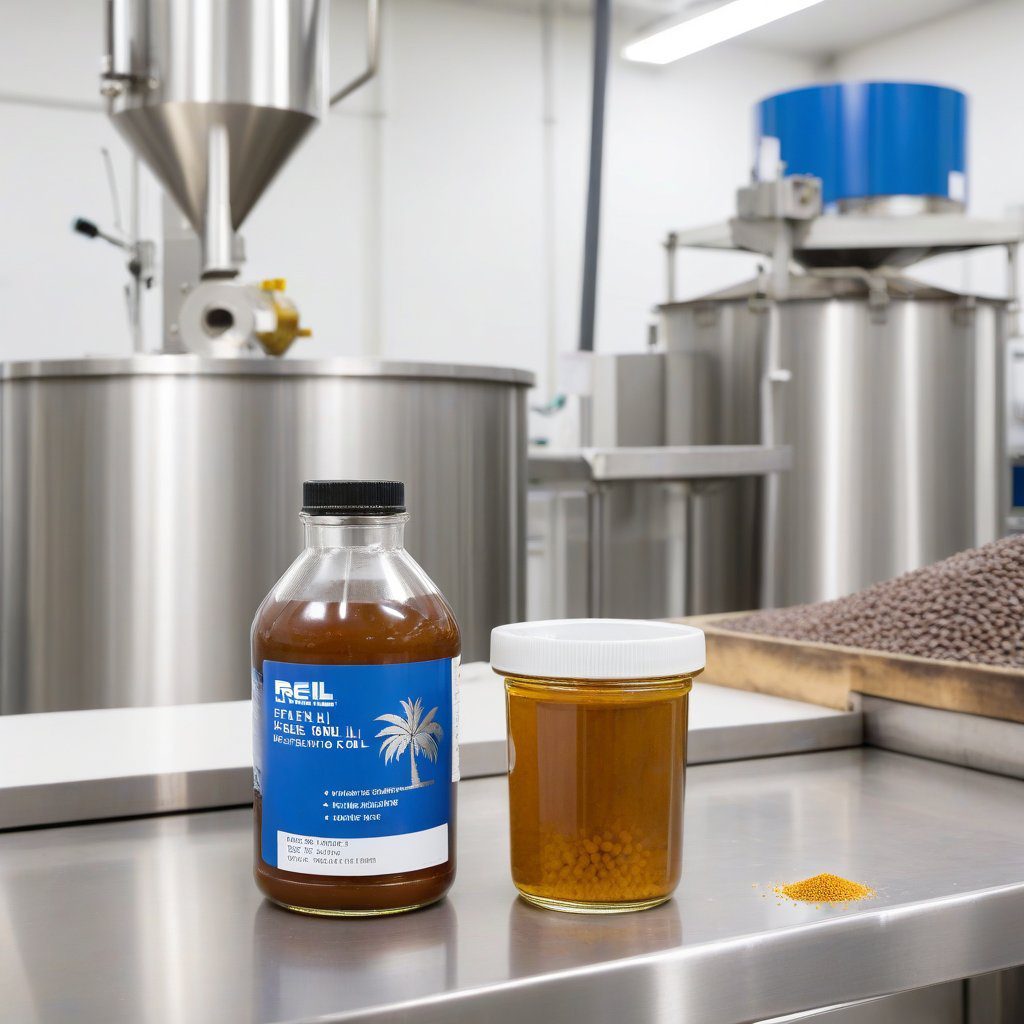
In high-volume palm kernel oil operations, packaging and storage decisions drive product integrity, operational efficiency, and regulatory readiness.
For over two decades, Diplomata Comercial has partnered with processors, refiners, and oleochemical manufacturers across HPPC, pharma, industrial chemistry, and animal nutrition to deliver reliable palm kernel oil supply and logistics solutions.
Our practical experience shows that the right packaging strategy is not simply about containment; it is about preserving quality, enabling traceability, and reducing total cost of ownership across the supply chain.
This Bulk Palm Kernel Oil Packaging and Storage Checklist: Essential Guidelines for Large-Volume Operations translates complex requirements into actionable steps you can apply in real-world facilities, from supplier selection and container maintenance to labeling, storage conditions, QA/QC, and international logistics.
Expect clearer risk management, improved shelf life, and better alignment with customer specifications as you implement these practices across bulk handling, transit, and storage sites.
Bulk Palm Kernel Oil Packaging and Storage Checklist: Essential Guidelines for Large-Volume Operations
When choosing packaging and planning storage for palm kernel oil at scale, the primary considerations are material compatibility, container integrity, and a robust documentation workflow.
This section outlines the core decisions that influence > shelf life, oxidation control, and regulatory compliance across multiple storage tanks and distribution points.
Leverage decades of field-tested methods to standardize operations, reduce contamination risk, and maintain consistent product quality as demand scales.
Packaging Materials: Drums, IBCs, and Tank Options
Selecting the right packaging configuration starts with material compatibility and the ability to sustain long storage cycles without compromising the oil’s stability.
Typical configurations include high-density polyethylene (HDPE) drums for moderate volumes, stainless steel drums for inertness and rigorous cleaning cycles, and larger units like intermediate bulk containers (IBCs) or dedicated tanks for bulk transfers.
Each option brings trade-offs in cost, cleanability, and site footprint.
- HDPE drums: cost-effective, readily recyclable, suitable for many palm oil derivatives, but watch for odor transfer and potential permeability over time.
- Stainless steel drums: excellent chemical resistance and cleanability; higher initial investment but lower long-term contamination risk.
- IBCs and bulk tanks: maximize throughput and reduce handling steps; require rigorous cleaning protocols and compatibility checks with gasket materials and liners.
In practice, facilities with frequent throughputs commonly adopt a hybrid approach: use HDPE drums for regional distribution and stainless steel or lined bulk tanks for core storage, ensuring compatibility with the oil’s chemistry and the facility’s cleaning regime.
For any packaging decision, validate with the COA and supplier data to confirm chemical compatibility and food-grade or technical-grade compliance as applicable.
Container Maintenance and Lifecycle
Container integrity is the first line of defense against contamination and oxidation.
Implement a documented maintenance schedule that covers cleaning, sanitization, gasket checks, and leak testing.
Prior to any repackaging, perform a visual inspection for residue, moisture intrusion, or signs of corrosion.
Maintain a log of container history to support traceability and regulatory audits.
- Establish standard operating procedures (SOPs) for cleaning agents and cycles to avoid residue carryover.
- Schedule periodic seal and gasket replacement, especially in warm climates where rubber components may degrade faster.
- Track container serials and lot numbers to enable rapid traceability in case of quality events.
Practical outcome: a disciplined container lifecycle program reduces contamination risk, extends container usability, and sustains product integrity through multiple storage and transfer cycles.
Labeling, Documentation, and Traceability
Labels must convey essential information for internal control and customer requirements.
Create labeling that includes batch or lot numbers, production date, packaging type, primary storage area, and handling instructions.
Maintain traceability from receipt through distribution, supported by robust documentation and event logs.
Align label formats with internal QA/QC procedures and customer COA (Certificate of Analysis) needs.
Consider barcoding or RFID integration where feasible to speed inventory checks and reduce manual entry errors.
- Batch/lot number and production date on every container
- Storage location, tank identification, and transfer history
- Handling and safety instructions aligned with regulatory expectations
With strong labeling and traceability, you enable faster root-cause analysis during quality events and improve customer confidence in bulk Palm Kernel Oil deliveries.
Packaging Materials for Palm Kernel Oil: Choosing the Right Containers
Beyond the initial packaging decision, ongoing performance hinges on matching the container to product characteristics, logistics needs, and end-use requirements.
This section focuses on optimizing for long-term quality maintenance, efficient inventory management, and sustainable operations in large-volume contexts.
Material Compatibility and Regulatory Considerations
Ensure chosen materials demonstrate compatibility with palm kernel oil’s chemistry and any antioxidant systems used.
Material data sheets and supplier declarations should confirm resistance to oxidation, odor absorption, and leaching.
Regulatory considerations vary by market, but a common thread is ensuring packaging materials comply with applicable food-grade or technical-grade standards and align with COA requirements.
When dealing with international shipments, verify packaging declarations support cross-border documentation and compliance with local authorities.
- Confirm compatibility with antioxidants or additives used in your formulation
- Validate material certification and traceability across batches
- Adhere to customer and regulatory labeling standards
Partnering with a trusted supplier allows you to align packaging selection with a scalable logistics framework and consistent quality assurance across markets.
Balancing Cost, Performance, and Sustainability
Trade-offs between initial cost and total lifecycle value drive packaging decisions.
Consider the following balance factors: installation footprint, cleaning logistics, and end-of-life options.
Favor solutions with lower environmental impact where possible, such as recyclable container materials and energy-efficient cleaning processes, without compromising product integrity or operational safety.
- Assess total cost of ownership, including cleaning and maintenance
- Choose materials that minimize oxidative risk and odor transfer
- Incorporate sustainable practices into the packaging strategy where feasible
Well-chosen packaging supports smoother transfers between stages of the supply chain and helps maintain consistent shelf life across storage facilities.
Storage Environment Requirements for Palm Kernel Oil
Environmental controls are critical for preserving palm kernel oil quality during bulk storage.
This section highlights the essential temperature control, humidity management, and protective measures against light and air exposure that influence chemical stability and microbial risk.
Implementing these controls reduces months-long oxidation risk and preserves flavor and performance in downstream applications.
Temperature Control Guidelines
Maintain storage temperatures within a range that minimizes oxidation and prevents microbial growth or hydrolytic reactions.
Use calibrated temperature monitoring devices and trend analysis to detect deviations quickly.
Establish upper and lower thresholds tailored to your product grade and packaging type.
Temperature logs should be reviewed regularly as part of QA/QC routines and shared with partners during audits.
- Target ranges should align with product specifications and regional climate conditions
- Automated alarms for excursions help prevent unplanned temperature fluctuations
- Seasonal adjustments may be necessary for outdoor or semi-indoor facilities
Effective temperature control, combined with photostability measures, supports a consistent shelf life and reduces variability between batches.
Ventilation, Humidity, and Contaminant Control
Humidity management and clean air reduce moisture ingress that can promote hydrolysis or microbial activity.
Establish proper ventilation and filtration to minimize dust and chemical contaminants, especially in enclosed storage rooms and tank farms.
Regular humidity monitoring and preventive maintenance of seals and gaskets help sustain oil quality over time.
- Keep humidity within target ranges appropriate for the oil grade
- Use inert gas blanketing or controlled atmosphere where necessary to limit oxygen exposure
- Schedule routine air cleanings and HEPA filtration checks
By managing these environmental factors, you support reliable oxidation control and minimize quality excursions during extended storage.
Quality Assurance and Documentation for Bulk Palm Kernel Oil
Quality assurance (QA) and documentation are the backbone of bulk operations.
Your QA program should integrate lot traceability, rigorous testing, and transparent reporting to ensure customer confidence and regulatory readiness.
Implement practical checks that align with global best practices and maintain a continuous improvement mindset across packaging, storage, and logistics.
Certificates of Analysis, Lot Tracking, and Audits
COAs and lot-tracking data should be readily accessible to QA teams and customers.
Maintain a secure repository for COAs, release notes, and batch records, and ensure every container is associated with a verifiable lot number.
Regular internal and external audits should verify adherence to established SOPs, clean-out procedures, and change-control processes.
- Link COAs to each batch and packaging lot
- Document release criteria and acceptance criteria for shipments
- Prepare for supplier and customer audits with organized records and traceability trails
Strong QA discipline reduces the risk of nonconformances and increases overall supply chain resilience, especially for large-volume operations that involve multiple sites and cross-border movements.
Audit Readiness and Documentation Control
Establish a formal document control system that tracks SOP versions, training records, and change management.
Ensure that all storage areas, packaging lines, and transfer points have current procedures and that staff are trained on critical steps such as cleaning verification, leak checks, and labeling accuracy.
Audit trails should be easy to reconstruct for any incident investigation or customer inquiry.
- Version-controlled SOPs for packaging, storage, and transfers
- Training records linked to specific procedures and certifications
- Accessible, organized documentation for rapid response
With robust QA documentation, you build trust with customers and regulators while maintaining operational continuity across the entire supply chain.
Logistics and Supply Chain Considerations for Palm Kernel Oil
Logistics and supply chain design directly affect product freshness, delivery reliability, and cost efficiency at scale.
A well-planned packaging and storage strategy supports a seamless flow from supplier to end-user, reducing risk during transit and at destination warehouses.
This section covers the coordination of packaging choices, storage readiness, and transport considerations that keep palm kernel oil moving smoothly in domestic and international markets.
Palm Kernel Oil Logistics and Supply Chain
From reception to outbound shipping, integrate packaging decisions with a comprehensive logistics plan.
Bulk handling requires efficient transfer between containers, reliable palletization or stacking strategies, and precise inventory control to prevent delays.
Emphasize traceability, ephemeral risk management, and cost optimization across warehousing, drayage, and port operations.
A cohesive approach minimizes carrier downtime and ensures consistency in downstream production lines.
- Coordinate packaging choices with transport modes (bulk truck, rail, or sea freight) and container compatibility
- Plan for cross-docking or direct-to-site transfers to reduce handling steps
- Use standardized labeling and COAs to expedite customs clearance and regulatory checks
The result is a resilient global supply network capable of meeting fluctuating demand while maintaining product integrity across geographies.
Regulatory and Customs Readiness
International shipments require careful alignment with regulatory compliance and customs documentation.
Prepare accurate material declarations, packing lists, and destination-specific requirements to avoid delays and penalties.
Keep up-to-date with regional guidelines for oleochemical imports, and maintain open lines of communication with logistics providers to adjust documentation as regulations evolve.
- Maintain country-specific labeling and safety data Sheet (SDS) requirements
- Coordinate with freight forwarders on incoterms and insurance coverage
- Track regulatory changes that impact packaging, labeling, and handling
With proactive logistics planning, you sustain a dependable supply chain that supports growth in both local and international markets.
Operational Efficiency: Reducing Waste and Extending Shelf-Life
Operational efficiency hinges on minimizing waste, extending shelf life, and optimizing transfer steps between packaging configurations.
This section offers practical strategies to maximize throughput while safeguarding quality.
By integrating process improvements with packaging and storage controls, you can achieve better yield, lower waste, and more predictable performance in bulk operations.
Shelf-Life Strategies and Waste Reduction
Implement a comprehensive waste reduction program that focuses on eliminating product losses during transfers and minimizing oxidation during storage.
Strategies include staged transfers with dedicated clean equipment, minimizing hold times in open environments, and aligning monitoring with product specifications.
Regularly review loss data and adjust packing and staging plans to close performance gaps.
- Use closed transfer systems to minimize exposure during pipelining
- Schedule routine drains and cleanouts to prevent residue buildup
- Incorporate antioxidant management plans where appropriate to safeguard shelf life
Well-defined waste-reduction processes improve overall efficiency, support sustainability goals, and strengthen your ability to meet customer expectations for consistent supply.
Bulk-to-Bulk Transfer, Cleanout, and Changeover
Transfer points between containers or facilities are critical moments for contamination risk.
Establish changeover procedures that include thorough line cleaning, verification checks, and documented cleanout outcomes.
Use dedicated equipment where possible to limit cross-contamination across product grades or suppliers.
Maintain a clear changeover log to support QA/QC reviews and regulatory inspections.
- Pre-transfer verification of product compatibility and line cleanliness
- Defined cleaning agents, contact times, and rinse procedures
- Post-cleanout testing to confirm absence of carryover
Effective changeovers safeguard product stability and deliver consistent results across all bulk operations.
Next Steps: Implementing the Checklist with a Trusted Partner
Adopting this framework requires coordination across procurement, storage, QA, and logistics.
The most successful programs partner with a seasoned supplier and global distributor who understands palm kernel oil’s unique requirements, risk landscape, and the regulatory environment.
Begin by mapping your current packaging mix, storage configurations, and QA workflows to identify gaps, then prioritize improvements that yield the greatest impact on quality, safety, and cost.
Diplomata Comercial brings deep experience in palm kernel oil and oleochemicals, providing guidance, validated materials, and scalable solutions designed to support your growth.
Engage early with your packaging and logistics partners to establish clear expectations, performance metrics, and a joint action plan that aligns with your strategic objectives.
Together, you can achieve reliable supply, robust traceability, and long-term value for your customers.
To start, consider requesting a tailored packaging and storage optimization assessment from our team.
We’ll review your current handling procedures, recommend container configurations that fit your throughput, and outline a step-by-step implementation roadmap to accelerate results.
Your path to improved quality, traceability, and efficiency begins with a deliberate, data-driven approach—and the right partner can make all the difference.
Frequently Asked Questions
What packaging materials are best for bulk palm kernel oil to maintain quality and minimize oxidation?
For bulk PKO, choose packaging materials with proven chemical compatibility and barrier performance, such as HDPE drums, rigid IBCs, and stainless steel tanks. Ensure inner linings and vented closures limit air ingress and moisture exposure, and verify food-grade certifications (FDA/EFSA or equivalent). Matching material to process conditions helps preserve stability during long storage cycles.
How should I evaluate material compatibility for long-term PKO storage?
Start with a compatibility matrix for palm kernel oil and the container material, and confirm compliance with food-grade standards. Perform seal, closure, and liner tests, plus routine container integrity checks throughout storage and use. Document results for QA/QC audits.
What labeling and traceability practices improve PKO bulk packaging transparency?
Apply unique lot numbers, production dates, and expiry dates on every container, plus barcodes or RFID for rapid scanning. Maintain a centralized digital record that links container ID with supplier, QA results, and storage location. This enables end-to-end traceability across the supply chain.
What storage conditions maximize shelf life for bulk PKO?
Store PKO in a cool, dark, and stable environment to slow oxidation and preserve aroma and color. Minimize oxygen exposure with proper seals and consider inert gas blanketing where feasible. Keep temperatures consistent across tanks and avoid temperature swings.
How does packaging choice influence QA/QC in large-volume PKO operations?
Packaging determines contamination pathways and sampling plans, so standardizing containers simplifies cleaning validation and defect tracking. Integrate QA/QC steps at receipt, during storage rotation, and before dispatch with documented results. Use container-specific SOPs to ensure consistent testing and reporting.
What are the common risks in bulk PKO storage and how can they be mitigated?
Risks include leaks, cross-contact, and contamination from equipment or environment. Mitigate with regular container inspections, leak detection, dedicated handling gear, and validated cleaning between batches. Implement spill controls and sanitation schedules aligned with facility QA standards.
How do packaging and storage decisions affect regulatory compliance and international logistics?
Choosing compliant, food-grade materials and maintaining complete documentation supports audits and export/import requirements. Ensure labeling, QA/QC records, and storage conditions meet recognized standards for cross-border distribution. Align with customer specifications to streamline customs and approvals.
What strategies optimize total cost of ownership for bulk PKO packaging and storage?
Standardize packaging configurations to reduce changeovers and waste, and invest in durable, repairable containers. Implement end-to-end traceability to lower recalls and stockouts. Regularly review supplier performance, shelf-life data, and logistics routing to minimize costs while preserving quality.