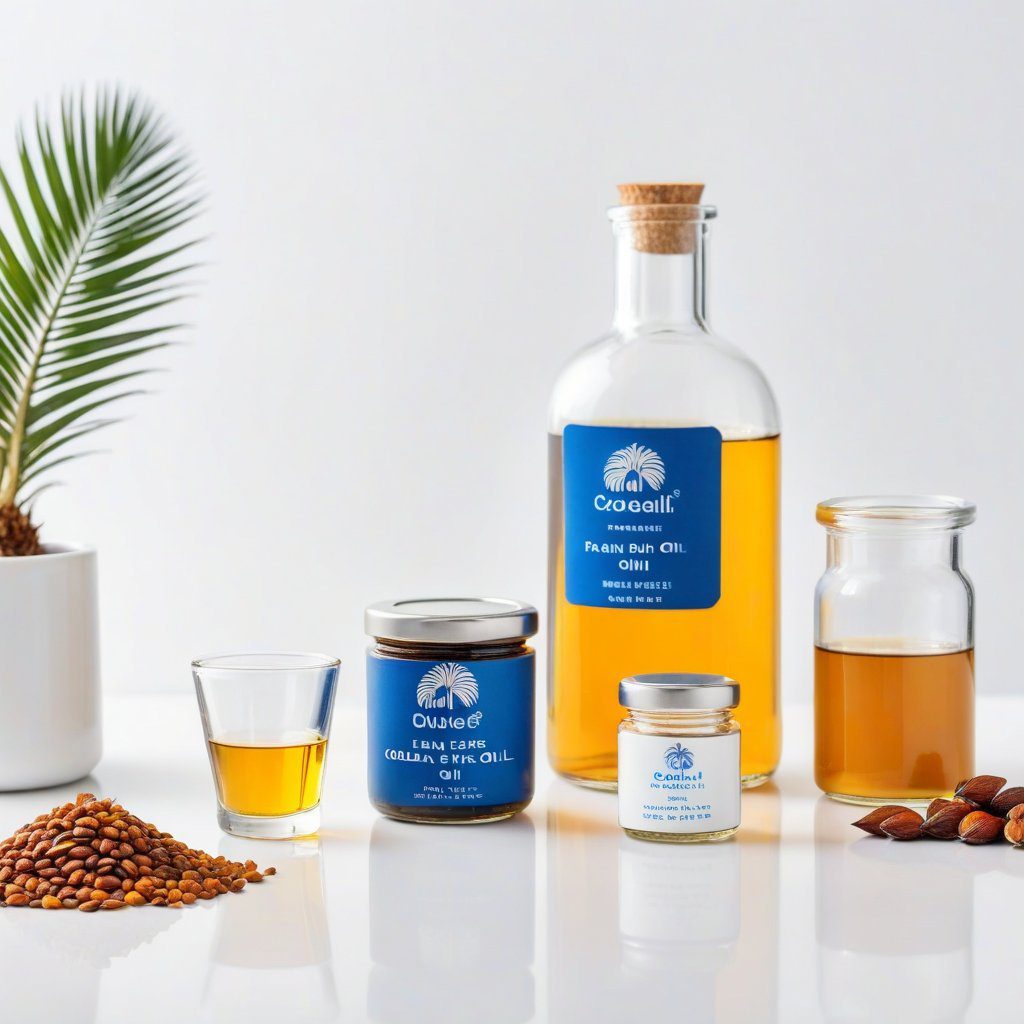
Palm kernel oil (PKO) sits at the intersection of performance, sustainability, and value for manufacturers across food, cosmetics, and biodiesel sectors.
Its versatility stems from a balanced fatty acid profile, stable supply, and competitive cost in many markets.
For buyers, the challenge isn’t just finding PKO, but securing a partner who can deliver consistent quality, flexible quantities, and reliable logistics in a dynamic global market.
Over twenty years, Diplomata Comercial has built a track record as a trusted supplier of chemical and oleochemical raw materials, serving HPPC, pharma, chemical industries, and animal nutrition.
Our approach blends technical rigor with practical, business-focused service—from quality controls and traceability to logistics and risk management.
This guide on Palm Kernel Oil Applications by Sector: Food, Cosmetics, and Biodiesel – A Comprehensive Guide offers practical considerations, case examples, and procurement strategies to help you align PKO choices with your product targets, regulatory requirements, and cost goals.
The goal is to empower procurement teams with clarity, confidence, and concrete next steps.
Palm Kernel Oil Applications by Sector: Food, Cosmetics, and Biodiesel – Market Overview and Trends
PKO’s role across sectors continues to expand as manufacturers seek sustainable, reliable, and cost-efficient fats and oleochemicals.
The oil’s physical properties enable consistent performance in bakery shortenings, confectionery fats, cosmetic bases, and biodiesel feedstocks.
In this landscape, quality and regulatory compliance shape supplier choices as much as price and availability.
For buyers, understanding market dynamics helps prioritize suppliers that can deliver not only product, but also traceability and supply continuity.
This section outlines the macro trends shaping PKO adoption and the core considerations that influence sourcing decisions in 2025 and beyond.
Global Demand Drivers and Regulatory Considerations
Across industries, demand for PKO is driven by its functional versatility, reliability of supply, and alignment with sustainability goals.
Manufacturers increasingly evaluate PKO against alternative fats based on oxidative stability, shelf life, and finished product texture.
Regulators emphasize clear ingredient declarations, safe handling, and responsible sourcing.
For supply partners, this means maintaining certifications and compliance records that demonstrate adherence to international standards.
Diplomata Comercial integrates these expectations into every engagement, ensuring customers access PKO aligned with global requirements and regional preferences.
This discipline supports a predictable production schedule and reduces disruption risk for downstream applications across sectors.
In today’s market, the ability to provide end-to-end support—from material specification to logistics—can be a decisive factor in supplier selection.
The most successful partnerships combine technical know-how with operational transparency and proactive risk management.
By working with a distributor who understands both the chemistry and the commercial realities, companies can avoid last-minute compromises and maintain product quality across batches.
Sustainability, Certifications, and Supply Chain Resilience
Sustainability credentials are increasingly central to PKO procurement.
Stakeholders look for traceability, responsible sourcing, and a clear sustainability profile for the supply chain.
Certifications such as chain-of-custody or third-party assessments help verify sourcing practices and environmental impact.
For PKO, robust supplier evaluation includes evaluating refining processes, storage conditions, and contamination controls to safeguard product integrity.
Diplomata Comercial’s international network supports resilient supply chains through diversified sourcing, robust quality management, and ongoing supplier audits.
These capabilities translate into reliable delivery timelines and confidence for customers pursuing long-term planning and capital projects in food processing, cosmetics manufacturing, and renewable fuels.
- Market-driven quality requirements across sectors
- Regulatory alignment and documentation readiness
- End-to-end supply chain transparency
Food Industry PKO Applications: From Bakery to Snacks and Beyond
In the food sector, PKO plays a critical role in texture, mouthfeel, and stability.
From bakery shortenings and pastry fats to confectionery emulsions and dairy analogs, PKO contributes to product performance while helping control costs.
For brands pursuing clean-label or consumer-friendly formulations, PKO offers specific functional benefits without compromising taste or shelf life.
This section highlights practical applications in the food industry, reasons to choose PKO, and actionable guidelines for select formulations. Quality and consistency remain the hallmarks of successful PKO use in high-volume food production.
Bakery, Shortening, and Frying Applications
Bakery applications rely on PKO for plasticity, melting behavior, and stability in shortenings and dough fats.
PKO can help achieve the desired crumb structure, mouthfeel, and layering in laminated doughs.
In frying applications, PKO contributes to texture and removes off-flavors associated with certain fats when properly refined.
For manufacturers, a reliable PKO supply supports predictable process performance, consistent product quality, and optimized cost per unit. Process controls and consistent refining are essential to maintaining the expected behavior in mixers, proofing, and baking ovens.
When formulating confectionery fats and coatings, PKO contributes to plasticity, gloss, and snap.
The oil’s fatty acid composition influences crystallization patterns, which in turn affect bloom resistance and mouthfeel.
For dairy and dairy-alternative products, PKO partially substitutes solid fats while preserving creaminess and stability during storage.
In each case, technical teams benefit from precise specification sheets, robust quality checks, and ongoing supplier collaboration to manage seasonal demand and price fluctuations.
Confectionery Emulsions, Dairy Analogs, and Snack Formulations
Confections and snack products rely on PKO to deliver stable emulsions and reliable texture across a range of temperatures.
PKO may be used in emulsified fillings, coatings, and fat-based inclusions where a smooth, non-grainy mouthfeel is desired.
For dairy analogs, PKO provides creaminess and a balanced fatty acid profile that supports melt-in-the-mouth attributes.
Snack manufacturers leverage PKO for cost-effective fat systems that maintain crunch, bite, and flavor integrity.
Across these applications, emulsification, texture, and stability are the core performance pillars that PKO delivers consistently.
To maximize value, teams should pair PKO with compatible ingredients and refining grades.
A collaborative approach—from formulation to packaging—helps ensure that PKO-based products meet regulatory expectations, consumer expectations, and brand positioning.
In practice, this means regular taste panels, batch testing, and supplier-led optimization sessions that reduce waste and shorten time-to-market.
Cosmetics and Personal Care: PKO in Emollients, Surfactants, and Colorants
Cosmetics and personal care demand oils that deliver skin compatibility, sensory appeal, and stable performance in emulsions and cleansing systems.
PKO provides a reliable base for emollients, surfactant blends, and specialty ingredients used in creams, lotions, shampoos, and bar soaps.
With a focus on gentle care, high purity, and cosmetic grade standards, PKO supports formulations that feel luxurious while meeting regulatory and safety expectations.
Diplomata Comercial’s experience with global cosmetic manufacturers reinforces the value of a dependable PKO supply in this segment, enabling brands to scale innovations with confidence and speed.
Emollients, Wax Interactions, and Cream Bases
In formulations designed for sensitive skin, PKO acts as an excellent emollient carrier and carrier oil, helping to improve spreadability and skin feel.
Its lubricity supports smooth application without leaving a greasy residue.
For cream bases, PKO can influence rheology, gloss, and stability of emulsions.
The key to success is controlled refining and deodorization to avoid off-notes and ensure consistent performance across batches.
Cosmetic developers benefit from close collaboration with PKO suppliers who provide clear specifications, testing protocols, and documentation that supports product claims and safety assessments.
Innovation in the cosmetic sector often means aligning PKO with functional blends, such as esters or triglyceride mixes, to tailor scent, texture, and absorption.
A strong supplier relationship helps address changes in formulation while maintaining product integrity.
In practice, this requires precise lot-level documentation, routine QC checks, and a shared quality management mindset between the cosmetic producer and PKO supplier.
Surfactants, Cleansing Bars, and Specialty Ingredients
PKO is commonly used as a base oil in surfactant systems and cleansing bars, where it contributes to mild cleansing and conditioning properties.
In specialty products, such as anti-aging formulations or sun care products, PKO can participate in esterification or transesterification routes to create derivative ingredients with targeted performance attributes.
For cosmetic chemists, the choice of PKO grade—refined, deodorized, or fractionated—drives final product attributes such as viscosity, lather, and fragrance compatibility.
Building this bridge between chemistry and brand goals is where a trusted PKO partner adds tangible value through technical advice, samples, and pilot runs.
Ultimately, the cosmetics sector rewards PKO suppliers who provide stable supply, consistent quality, and rapid support for reformulations.
A collaborative approach reduces time-to-market and helps brands maintain competitive advantages in a crowded market.
Biodiesel and Oleochemicals: PKO as Renewable Feedstock
Beyond food and cosmetics, PKO serves as a renewable feedstock for biodiesel and oleochemical derivatives.
Its fatty acid composition supports transesterification processes and the production of methyl esters with favorable cold-flow properties and oxidation stability.
In addition, PKO acts as a raw material for oleochemical derivatives used in lubricants, polymers, and specialty chemicals.
For energy and sustainability teams, PKO-based oleochemicals offer a pathway to lower carbon intensity and diversified supply security while supporting product stewardship goals.
Diplomata Comercial’s global network enables reliable PKO supply to biodiesel producers, chemical manufacturers, and downstream processors seeking scalable solutions.
Biodiesel Production Pathways and Oleochemical Derivatives
In biodiesel production, PKO-derived fatty acids participate in transesterification with methanol to produce fatty acid methyl esters (FAMEs).
The resulting biodiesel products benefit from PKO’s oxidation stability and favorable cold flow characteristics, which support performance at varying operating temperatures.
For oleochemicals, PKO serves as a source for derivatization into glycerin esters, fatty alcohols, and specialty intermediates used in lubricants, stabilizers, and polymer additives.
The key to maximizing value lies in selecting PKO grades that align with processing conditions and end-use performance targets, coupled with a supplier that can provide consistent blends and reliable logistics for large-scale production runs.
Operational collaboration between producers and PKO suppliers ensures that feedstock variability is managed, quality specifications are tight, and processing windows are optimized.
This integrated approach supports long-term planning and helps customers navigate seasonal demand, price volatility, and regulatory shifts with confidence.
Quality, Purity, and Compliance: How Diplomata Comercial Ensures Consistent PKO Supply
For industrial buyers, PKO quality is non-negotiable.
Our focus on quality management, purity standards, and compliance programs helps ensure that PKO delivered to production lines meets specifications across thousands of tons per year.
Diplomata Comercial emphasizes rigorous testing, clear specification sheets, and robust documentation to support QA workflows, supplier audits, and regulatory submissions.
Our approach centers on dependable material integrity and predictable performance in every batch, across sectors and geographies.
Quality Controls and Streamlined Specifications
From refining and deodorization to storage and handling, PKO quality requires careful control of contamination, moisture, and odor.
Our QA protocols include batch sampling, consistent analytical methods, and traceable lot records that simplify QA reviews and regulatory filing.
In practice, this means customers receive PKO that behaves as specified in processing, with minimal deviations between batches.
The result is a smoother production line, fewer downtime events, and a more stable cost profile over time. Process clarity, consistency, and traceable quality define our approach.
Specification management is essential when PKO feeds into highly regulated products, such as dietary supplements and cosmetic formulations.
Our team collaborates with customers to tailor PKO grades, adjust refining levels, and align with regional regulations to reduce rework and ensure product claims hold under scrutiny.
Traceability, Audits, and Sustainability Credentials
Traceability underpins trust in the PKO supply chain.
We maintain transparent documentation of origin, refining steps, and testing results for every lot.
Supplier audits, third-party verifications, and sustainability assessments reinforce confidence for customers pursuing responsible sourcing and green manufacturing goals.
Diplomata Comercial partners with producers who share our commitment to environmental stewardship, responsible land use, and transparent reporting.
By combining deep technical capability with a rigorous supplier governance framework, we help customers meet procurement standards while advancing corporate sustainability initiatives.
In practice, customers benefit from a clear chain-of-custody, risk management plans, and proactive communication.
Our teams provide regular updates on supply conditions, potential bottlenecks, and corrective actions, ensuring stakeholders stay informed and prepared for supply fluctuations.
Operational Excellence: Sourcing, Logistics, and Global Reach for Palm Kernel Oil
Efficient sourcing and reliable logistics are as important as the product itself when delivering PKO at scale.
Diplomata Comercial leverages a global network of trusted producers, advanced quality systems, and a customer-centric logistics model to support fast, flexible, and transparent delivery.
We focus on global reach, inventory strategy, and delivery reliability to help customers maintain steady operations and achieve predictable cost planning.
This section highlights our sourcing philosophy and how it translates into practical advantages for manufacturers relying on PKO for diverse end-use applications.
Global Procurement Strategy and Supplier Partnerships
Our procurement approach prioritizes diversified sourcing to mitigate supply disruptions and price swings.
By maintaining relationships with multiple reputable producers, we offer customers options that align with regional preferences, grading standards, and regulatory requirements.
This strategy supports risk management, cost optimization, and flexible volumes to meet varied production schedules.
Diplomata Comercial’s long-standing partnerships and market intelligence enable proactive planning and smoother onboarding for new customers seeking to expand PKO usage across food, cosmetics, and biodiesel projects.
For organizations pursuing large-scale manufacturing, consistent supply is a core risk factor.
Our teams work with you to establish forecast-driven purchasing plans, minimum-maximum inventory levels, and safety stock approaches that align with your capacity and quality targets.
The result is sustained production without the last-minute material crunches that derail timelines and increase costs.
Logistics, Storage, and Customer Support
Logistics excellence drives on-time delivery, product integrity, and cost efficiency.
PKO shipments require careful temperature and moisture control, secure storage, and compliant handling to prevent quality drift.
Diplomata Comercial coordinates with carriers and regional warehouses to ensure timely arrivals and minimal spoilage.
Our customer support teams provide ongoing order status updates, documentation packages, and post-delivery support to address any questions that arise during production.
By combining technical expertise with hands-on service, we help clients maximize uptime and achieve steady throughput in their PKO-dependent operations.
In addition, we provide practical guidance on end-use compatibility, storage life, and handling procedures to reduce waste and protect product quality throughout the supply chain.
This practical orientation helps buyers avoid costly mistakes and maintain a consistent production rhythm.
Next Strategic Steps for Palm Kernel Oil Partnerships
To translate the insights from this guide into tangible results, consider the following next steps.
Start with a technical briefing to align PKO specifications with your product targets, then request a pilot shipment to validate performance in your process lines.
Engage with Diplomata Comercial for a strategic sourcing review, including risk assessment, regulatory alignment, and a tailored logistics plan that covers your demand forecast and lead times.
Our team can provide samples, analytical data, and a comparative analysis of PKO grades to help you select the best option for food, cosmetics, or biodiesel applications.
Ready to explore a scalable PKO partnership that prioritizes quality, supply security, and sustainability? Contact Diplomata Comercial to start a conversation, schedule a technical consultation, or request a tailored quote suitable for your market and production scale.
Frequently Asked Questions
What are Palm Kernel Oil applications across food, cosmetics, and biodiesel?
Palm kernel oil (PKO) serves multiple roles across sectors: in food, it’s used for bakery shortenings and confectionery fats; in cosmetics, it provides stable bases and emollient properties; and in biodiesel, it acts as a capable feedstock. Its balanced fatty acid profile supports consistent performance and product quality. This versatility makes PKO attractive to manufacturers seeking reliable, cost-effective ingredients.
How does PKO’s fatty acid profile influence its performance in bakery or confectionery applications?
PKO offers a balanced mix of saturated and unsaturated fats that helps create firm, slice-stable shortenings and smooth mouthfeel in confectionery fats. This profile contributes to good creaming stability and shelf life. Overall, PKO supports consistent texture and processability across bakery and confectionery products.
What regulatory considerations should buyers keep in mind when sourcing PKO?
Buyers should verify labeling compliance, traceability, and adherence to regional sourcing standards for their end-use sector. Documentation from the supplier—certificates of analysis, quality controls, and material safety data—helps meet food, cosmetic, and fuel requirements. Sustainability disclosures and supplier audits are increasingly part of regulatory expectations.
How can buyers ensure PKO quality and traceability from supplier to shipment?
Choose PKO suppliers that provide batch-level traceability, consistent QA/QC results, and clear logistics plans. Regular audits, transparent shipping documentation, and real-time lot tracking reduce risk across the supply chain. Diplomata Comercial exemplifies this approach with technical rigor, traceability, and reliable logistics.
Which supply chain factors most impact PKO procurement in a dynamic market?
Key factors include product availability, lead times, and the ability to adjust quantities to demand. Logistics reliability and predictable delivery schedules help stabilize procurement planning. A partner with risk management practices can navigate price swings and supply disruptions.
How does PKO compare cost-wise to other fats and oleochemicals?
PKO often offers competitive pricing due to broad production and global distribution. Its cost-per-performance ratio makes it attractive for applications requiring stable fats and oleochemicals. Price dynamics can still reflect crop yields, freight, and regional demand.
What sustainability considerations should buyers evaluate when sourcing PKO?
Assess deforestation risk, supply chain transparency, and third-party sustainability certifications relevant to PKO. Ask for supplier commitments to responsible sourcing, traceability, and reduced environmental impact. Transparent reporting helps align PKO procurement with corporate sustainability goals.
What steps should procurement teams take to select a PKO supplier?
Define target specifications, including quality, lead times, and volumes, then perform a formal supplier evaluation. Prioritize partners offering traceability, QA controls, flexible logistics, and reliable support. Consider engaging with established suppliers like Diplomata Comercial to leverage years of market experience.