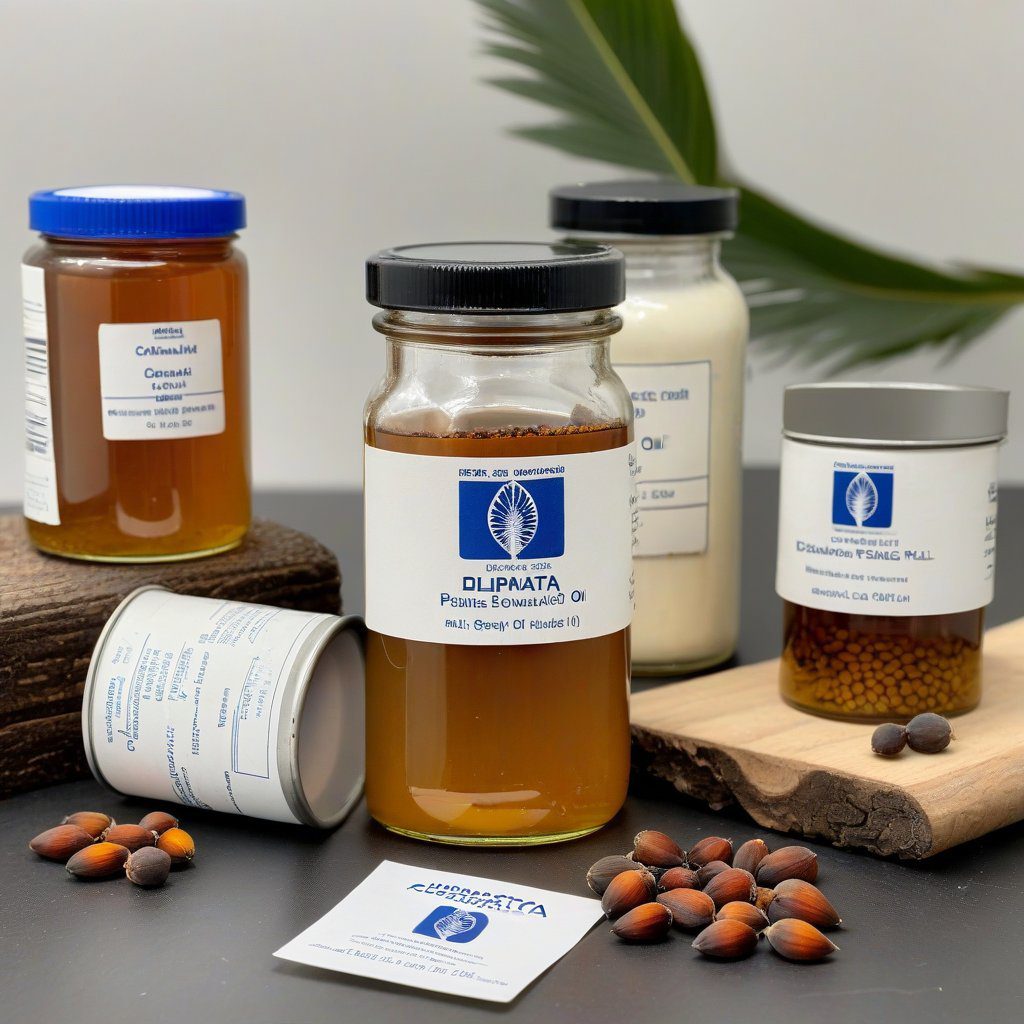
Maintaining Palm Kernel Oil Price Stability and Supply During High-Demand Periods is not just about securing a short-term deal; it’s about designing a resilient, transparent, and scalable approach that protects margins, quality, and timelines for your business.
Over two decades, Diplomata Comercial has built a reputation as a trusted partner in the chemical and oleochemical space, delivering dependable supply and strategic insights to manufacturers across HPPC, pharma, industrial chemistry, and nutrition.
This guide translates our real-world experience into practical playbooks that you can implement today.
Maintaining Palm Kernel Oil Price Stability and Supply During High-Demand Periods: Understanding Market Dynamics
The price stability of palm kernel oil during peak demand is influenced by a combination of demand surges, supply constraints, and external shocks.
In practice, successful stabilization hinges on understanding both sides of the market and acting with proactive planning, accurate forecasting, and transparent communication.
At a high level, demand drivers span multiple industries—from edible fats and feed ingredients to oleochemical applications used in cosmetics, cleaners, and lubricants.
When demand spikes, buyers who lock in reliable supply chains tend to weather volatility more effectively than those who rely on spot purchases alone.
This is where having a trusted supplier with a global footprint and robust risk-management practices makes a measurable difference.
For instance, in markets where supply timing is sensitive to harvest cycles or weather-driven disruptions, having a diversified sourcing strategy and flexible contracting approach helps dampen price swings and ensures continuity of supply.
The strategic objective is to maintain a steady flow of high-quality oil while preserving the financial bandwidth to absorb occasional price shocks without compromising product quality or delivery timelines.
Within this context, consider the following key shifts in the palm kernel oil market landscape.
First, regional dynamics matter: Southeast Asian producers account for a large share of global palm kernel oil output, and logistical constraints or freight cost changes can quickly impact landed costs.
Second, sustainability and traceability requirements are increasingly shaping procurement decisions; buyers are prioritizing partners with verifiable supply chains and responsible sourcing.
Third, currency movements and trade policies can introduce hidden costs that appear as price differentials at the contract level.
By treating these factors as interdependent levers—rather than isolated variables—you position your organization to proactively manage price stability and supply continuity.
- Strong supplier collaboration reduces reaction time during spikes in demand.
- Forecast-driven procurement aligns purchasing with actual production needs.
- Visible risk dashboards help leadership see price exposure and plan mitigations.
Maintaining Palm Kernel Oil Price Stability and Supply During High-Demand Periods: Building a Resilient Palm Kernel Oil Supply Chain
A resilient supply chain for palm kernel oil blends strategic sourcing, robust logistics, and continuous risk assessment.
The goal is to minimize disruption risk while maintaining the quality and consistency your customers expect.
Our approach is grounded in practical, field-tested methods that have helped numerous clients weather volatile markets without sacrificing performance.
First, diversify sources across geographic regions and supplier tiers.
Relying on a single producer can create single points of failure during weather-related interruptions or policy changes.
A diversified approach provides alternatives for lead times, pricing bands, and quality assurances.
Second, invest in regional hubs and flexible logistics.
When bottlenecks occur at major ports, regional storage and cross-docking capabilities become a critical differentiator.
Third, implement rigorous supplier qualification programs.
Regular audits, supplier scorecards, and third-party verifications give your sourcing team early warnings about potential risks and help preserve supply reliability.
In our experience, the most effective supply chains combine proactive forecasting with tactical stock strategies.
By aligning safety stock levels with production planning and service-level targets, teams can absorb demand surges without destabilizing the broader procurement budget.
This is especially important for palm kernel oil supply, where timing and consistency directly impact downstream processing and finished goods quality.
A well-mapped supply chain also enables faster remediation when unplanned events occur, reducing total cost-of-ownership while preserving service levels.
- Establish at least three active sources per region, with clear escalation paths.
- Invest in regional storage and efficient inbound logistics to shorten lead times.
- Use supplier scorecards to monitor reliability, quality, and responsiveness.
Maintaining Palm Kernel Oil Price Stability and Supply During High-Demand Periods: Strategic Sourcing and Supplier Relationships
Strategic sourcing goes beyond price negotiations; it is about shaping a long-term partnership ecosystem built on trust, transparency, and shared risk management.
For palm kernel oil, where price dynamics are sensitive to harvest cycles, global demand, and logistics costs, a mature supplier relationship framework yields tangible improvements in stability and predictability.
Key elements include long-term contracts with flexible pricing features, collaborative forecasting, and governance structures that keep both sides aligned during market stress.
In practice, you’ll want contracts that balance price protection with the flexibility to adjust for genuine shifts in input costs, freight rates, or currency fluctuations.
Regular supplier audits ensure adherence to quality standards and sustainability commitments, while joint working groups help translate market intelligence into actionable procurement strategies.
Through these mechanisms, your organization maintains price visibility, sustains supply continuity, and strengthens competitive differentiation.
For Diplomata Comercial, a core advantage is our integrated service model: sourcing, import/export, and distribution under a single umbrella with a global reach.
This enables us to coordinate with manufacturers and processors, ensuring consistent supply even when input prices are volatile.
Our teams work alongside clients to develop contingency contracts, establish alternative logistics routes, and harmonize quality control measures across suppliers.
The outcome is a more predictable cost base and a steadier production plan for palm kernel oil-based products.
- Adopt flexible pricing arrangements such as indexed pricing, collar mechanisms, or blended price formulas.
- Engage in quarterly or semi-annual demand reviews to recalibrate forecasts and contracts.
- Require supplier certifications and ongoing quality audits to safeguard product integrity.
Maintaining Palm Kernel Oil Price Stability and Supply During High-Demand Periods: Price Risk Management Tools and Techniques
Effective price risk management translates market insights into concrete protections against volatility.
The playbook includes a mix of hedging, pricing indices, contract clauses, and scenario planning that collectively dampen price spikes and ensure supply continuity for your operations.
Hedging is not about predicting every market shift; it’s about locking in ranges that align with your cost structure and margins.
Index-based pricing can anchor contracts to observable market levels, while time-bound price collars offer downside protection without sacrificing upside when markets move favorably.
Escalation clauses tied to objective indicators—such as a basket of input costs, freight rates, or currency indices—provide a disciplined mechanism to adjust terms as conditions change.
Importantly, these tools require disciplined governance, clear reporting, and close collaboration with suppliers to avoid misalignment that could disrupt supply during peak periods.
Additionally, scenario planning exercises help leadership visualize how different market conditions would affect total landed cost and production schedules.
By stress-testing scenarios—such as a sudden freight disruption, a policy shift, or a crop shortfall—you can predefine response playbooks and decision rights.
This preparation translates into faster decision-making when volatility hits, reducing reaction time and preserving operational continuity.
- Use a mix of hedging tools and price collars to stabilize margins.
- Link contract terms to transparent, observable market indicators.
- Document contingency actions for supply disruption, with clear ownership and timelines.
In practice, the most successful implementations of price risk management in palm kernel oil revolve around disciplined collaboration with trusted suppliers who share a commitment to transparency and mutual value creation.
Diplomata Comercial integrates these practices into its client programs, combining market intelligence, supplier governance, and flexible contracting to help you navigate high-demand periods with confidence.
Maintaining Palm Kernel Oil Price Stability and Supply During High-Demand Periods: Inventory and Operations Excellence During Peak Demand
Operational excellence in inventory management and logistics is a critical buffer against volatility.
When demand surges, the ability to forecast accurately, hold appropriate safety stock, and move product efficiently from port to plant to finished goods becomes a differentiator that protects reliability and cost control.
Forecasting accuracy reduces the risk of overstock or stockouts.
Integrating sales, production, and procurement data creates a single view of demand that informs replenishment cycles, purchasing quantities, and safety stock levels.
Safety stock should be calibrated not only to lead times but also to the variability of demand and supplier reliability.
Cross-docking and regional warehousing reduce handling times and shorten replenishment cycles, enhancing responsiveness to market shifts and minimizing carry costs.
From an operational perspective, logistics resilience depends on multimodal planning and real-time visibility.
When disruptions occur, having alternative routes, carriers, and bonded warehousing options accelerates recovery.
Quality control remains non-negotiable: consistent specifications for moisture content, impurities, and fatty acid composition are essential for downstream processing and regulatory compliance.
A robust quality program reduces the risk of product returns and accelerates time-to-market for palm kernel oil-based formulations.
- Integrate demand planning with procurement and logistics for a unified forecast.
- Maintain appropriate safety stock levels aligned with service targets.
- Establish regional distribution hubs to shorten lead times and accommodate regional demand patterns.
In our practice, we see companies that invest in end-to-end visibility—spanning supplier performance, transport status, and inventory health—achieve more stable pricing and fewer production interruptions during peak periods.
Diplomata Comercial brings this capability to clients through a coordinated network that ensures prompt supply of high-quality palm kernel oil, even when markets swing rapidly.
Maintaining Palm Kernel Oil Price Stability and Supply During High-Demand Periods: Compliance, Sustainability, and Trade Considerations
Regulatory and sustainability considerations increasingly influence palm kernel oil procurement decisions.
Transparent supply chains, responsible sourcing, and traceability are not mere compliance areas; they are risk-management tools that reduce price volatility caused by sudden policy changes or market boycotts.
Stakeholders—from customers to investors—expect responsible practices that protect ecosystems and communities where palm oil production occurs.
Aligning with recognized standards and certifications can mitigate reputational risk and improve access to markets that emphasize sustainability.
Key considerations include certification schemes that validate sustainable practices, chain-of-custody documentation, and ongoing supplier audits.
Compliance with import/export regulations, documentation accuracy, and tariff classifications also impact landed costs and delivery timelines.
A strong emphasis on governance minimizes the probability of supply interruptions arising from regulatory issues and fosters smoother cross-border operations for palm kernel oil.
Beyond compliance, sustainability programs can drive long-term value by aligning with end-market demands and lender expectations.
If customers demandcertifications or prefer suppliers with verified environmental and social governance (ESG) practices, meeting these requirements can help maintain price stability by reducing volatility associated with supply-chain disruptions or ethical concerns.
Engaging with a partner who can seamlessly integrate sourcing, import/export, and distribution across borders helps create a steadier supply envelope for palm kernel oil, while delivering confidence to your customers about responsible practices and quality assurance.
- Track RSPO or equivalent sustainability certifications across all suppliers.
- Maintain robust chain-of-custody documentation for traceability.
- Incorporate regulatory and tariff intelligence into procurement planning.
For organizations seeking reliable partners in this space, Diplomata Comercial emphasizes sustainable sourcing, transparent supplier relationships, and global logistics excellence.
Our approach ensures you maintain compliance while also achieving a stable price profile and uninterrupted supply for palm kernel oil-based formulations.
Maintaining Palm Kernel Oil Price Stability and Supply During High-Demand Periods: Diplomata Comercial’s Real-World Expertise
With more than 20 years in the market, Diplomata Comercial blends technical expertise, global reach, and hands-on operational capability to deliver consistent palm kernel oil supply and price stability for our clients.
Our team understands the nuances of the oleochemical sector and the particularities of palm kernel oil—from feedstock variability to downstream processing requirements.
We translate industry knowledge into practical, market-tested methodologies that reduce risk and improve outcomes for manufacturers who depend on reliable supply chains.
Our approach is built around three pillars: technical credibility, global access, and execution discipline.
Technical credibility comes from a deep understanding of product specifications, quality control, and formulation requirements across industries.
Global access is achieved through long-standing partnerships with producers, traders, and logistics providers in key palm oil regions, coupled with robust import/export capabilities that simplify cross-border operations.
Execution discipline means tight governance around supplier selection, contract design, and performance monitoring, ensuring that our clients experience predictable costs and reliable delivery schedules even during market turmoil.
In practice, these principles translate into concrete advantages for clients.
For example, a mid-sized consumer goods manufacturer avoided a price spike during a peak season by leveraging a balanced mix of indexed pricing and short-term contracts with a trusted supplier base that had pre-agreed contingency options.
Another client achieved faster time-to-market for a new palm kernel oil-based formulation by consolidating sourcing through a single experienced partner who could manage the procurement, logistics, and quality checks under one umbrella.
These are not isolated anecdotes; they reflect a systematic, repeatable approach to reducing volatility and safeguarding supply in high-demand periods.
As part of our commitment to EEAT and client success, Diplomata Comercial provides ongoing market intelligence, supplier evaluation, and contract design support tailored to the palm kernel oil space.
We help clients navigate seasonal patterns, regulatory shifts, and currency movements with confidence, delivering value through trusted relationships, transparent pricing, and global reach.
20 Years of Market Experience: Practical Case Insights
Across two decades, we’ve observed recurring patterns that separate volatile performers from resilient ones.
The most successful procurement teams combine proactive risk assessment with flexible contracting and close supplier collaboration.
They build redundancy into the supply chain, monitor market signals regularly, and empower procurement with real-time data.
These practices reduce lead-time variability, stabilize landed costs, and preserve product quality under pressure.
Diplomata Comercial’s case-driven methodology reflects these lessons in every engagement, providing clients with repeatable processes that translate market volatility into manageable risk rather than disruptive events.
Methodologies that Deliver Consistent Supply
Our methodologies focus on alignment, transparency, and control.
We emphasize joint planning workshops with suppliers, quarterly business reviews to adjust forecasts, and clearly defined escalation procedures for disruptions.
We implement robust documentation practices to ensure traceability and compliance, and we leverage a regionalized logistics network to shorten cycle times and improve responsiveness.
By embedding these practices into client programs, we help organizations achieve a steadier price trajectory and uninterrupted palm kernel oil supply—even in times of tight markets or regulatory uncertainty.
- Joint demand-supply planning cycles that inform forecasting and procurement.
- Structured supplier governance with performance scorecards and regular audits.
- Regional logistics redundancy to minimize lead-time risk and reduce freight volatility.
For organizations aiming to secure long-term value, the question is not merely how to purchase palm kernel oil, but how to architect a resilient ecosystem around it.
Diplomata Comercial stands ready to partner with you to design and implement this ecosystem—one that prioritizes reliable supply, price stability, and sustainable practices while delivering measurable business outcomes.
Palm kernel oil supply continuity, pricing discipline, and sustainable sourcing are interconnected.
By integrating market intelligence, diversified sourcing, proactive risk controls, and execution excellence, you build a durable buffer against high-demand periods.
If you are evaluating suppliers or refining your procurement strategy, consider a partner who can harmonize supplier relationships, logistics, and compliance under a unified program.
Diplomata Comercial offers exactly that—a proven path to maintain price stability and uninterrupted supply when it matters most.
Practical next steps you can take now include initiating a supplier compliance review, establishing a quarterly demand plan with your core producers, and setting up a cross-functional team to monitor price trends and logistics performance.
If you would like to discuss how these elements can be tailored to your operation, contact our team to schedule a strategy session.
We will assess your current posture, identify gaps, and outline a concrete, actionable plan to maintain palm kernel oil price stability and supply during high-demand periods.
To learn more about our global capabilities and how we can support your business, you can explore industry resources and standards such as the RSPO sustainability framework, which aligns with responsible palm product sourcing.
External references provide a helpful benchmark for transparency and ethics in palm kernel oil procurement.
RSPO remains a key reference point for responsible supply chains, and partnering with a distributor who shares this commitment reinforces your ability to sustain long-term value.
If you want to keep conversations focused and outcomes tangible, reach out to Diplomata Comercial.
Our team is prepared to tailor a solution that integrates market intelligence, diversified sourcing, risk management, and meticulous execution to help you maintain price stability and supply during high-demand periods.
Closing note: In a market where volatility can ripple through procurement costs and production schedules, the difference between hesitation and action often determines profitability.
With a disciplined approach to market dynamics, supply chain resilience, and supplier collaboration, you can create a stable platform for palm kernel oil that supports strategic growth and long-term competitiveness.
This is not guesswork; it is a tested framework built on two decades of industry experience and proven client outcomes.
Next steps: If you’re ready to elevate your palm kernel oil strategy, contact Diplomata Comercial for a comprehensive assessment.
We will map your current supply chain, identify risk hotspots, design flexible pricing and contracting strategies, and implement a disciplined operational playbook to ensure price stability and supply continuity during peak demand.
Let’s turn volatility into a controlled, predictable process that drives value across your organization.
Perguntas Frequentes
O que impulsiona a volatilidade do preço do óleo de palm kernel durante picos de demanda?
A volatilidade de preço do óleo de palm kernel durante períodos de alta demanda é influenciada por surtos de demanda, limitações de oferta e choques externos como variações climáticas e safras. Picos de compra e prazos de entrega mais sensíveis aumentam as oscilações de preço, enquanto fatores logísticos elevam custos. Entender esses elementos permite planejamento proativo.
Como a diversificação de fornecedores pode reduzir o risco de preço?
Diversificar fornecedores, geograficamente, ajuda a reduzir a dependência de uma única fonte e mitiga riscos de cadeia. Contratos de longo prazo com condições estáveis e opções de aquisição flexíveis também suavizam as variações de preço.
Quais estratégias contratuais ajudam a manter a estabilidade de preços?
Estratégias contratuais como contratos a termo, preços fixos com teto, ou indexados com piso, podem alinhar custos com previsibilidade. Regras de ajuste de preço com base em indicadores de mercado ajudam a manter margem sem sacrificar abastecimento.
Por que a precisão de forecasting é crucial para manter o fornecimento?
Forecasting preciso antecipa variações sazonais de demanda e tempos de produção, levando a melhores níveis de estoque e programação logística. Dados históricos, ciclos de safra e alertas de fornecedores ajudam a reduzir rupturas e custos.
Como a comunicação proativa com fornecedores melhora a estabilidade?
Comunicação transparente com fornecedores, compartilhando previsões e planos de demanda, permite planejamento conjunto. Colaboração fortalece acordos de produção, capacidades adicionais e respostas rápidas a mudanças.
Qual o papel de controles de qualidade e rastreabilidade na estabilidade de valor?
Rastreamento de qualidade e rastreabilidade garantem consistência do produto, reduzindo devoluções e custos ocultos. Quando a qualidade é previsível, a negociação de preço fica mais estável e confiável.
Quais alavancas operacionais as empresas podem usar em períodos de alta demanda?
Alavancas operacionais incluem estoques de segurança, logística flexível, uso de fontes alternativas e planejamento de capacidade para minimizar interrupções. Oferecem resiliência sem comprometer qualidade.
Como medir o sucesso na estabilidade de preço e fornecimento?
Métricas-chave incluem índice de volatilidade de preço, nível de serviço, taxa de preenchimento, tempo de entrega, precisão de forecast e custo total de aquisição. Acompanhar esses indicadores ajuda a medir a eficácia das iniciativas de estabilidade.