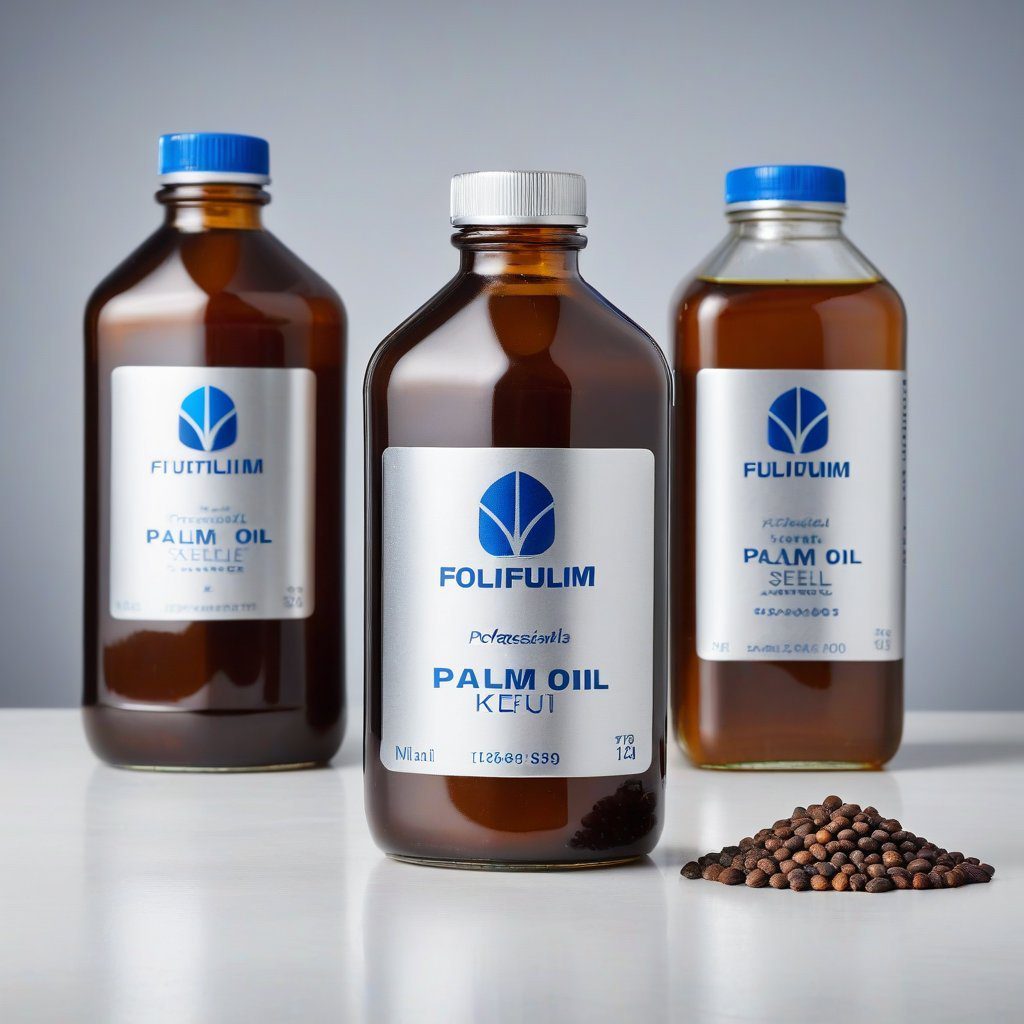
In the palm kernel oil (PKO) landscape, purity is not a slogan—it’s a business imperative.
For companies sourcing PKO, purity standards determine product performance, regulatory compliance, and downstream competitiveness.
This comprehensive guide, rooted in two decades of market leadership, walks through how to evaluate Palm Kernel Oil Purity Standards and what each standard actually requires.
You’ll discover practical ways to align supplier capabilities with your quality targets, from lab testing to sustainability certifications.
As a global distributor and exporter with a long history of serving HPPC, pharma, chemical industries, and animal nutrition, Diplomata Comercial translates complex purity criteria into actionable supplier selections.
This is not abstract theory; it’s a playbook built on real-world experiences, robust QA processes, and the confidence that comes from working with a supplier that can scale across Brazil and international markets.
By the end, you’ll have a clear framework to compare standards, verify purity, and reduce supply-chain risk—without compromising on speed or cost.
Key Purity Parameters for Palm Kernel Oil: What RBD PKO Must Meet
Purity in PKO begins with a set of core parameters that define its suitability for different applications.
These parameters are the cornerstone of your supplier qualification, because they drive both product performance and regulatory compliance.
While exact numerical limits vary by standard and grade, the practical picture is consistent: the Palm Kernel Oil you select should demonstrate consistently low impurity levels, stable oxidization indicators, and a clean sensory profile.
In practice, PKO purity is about managing risk across several domains: fat composition, moisture, oxidation, and impurity content.
This section breaks down the main parameters you’ll encounter and what they imply for procurement and production teams.
For decision-makers, understanding these pillars helps you translate laboratory results into reliable supplier decisions and confident batch releases.
We’ll also tie each parameter to concrete supplier vetting steps, so you can act quickly when evaluating potential partners.
Free Fatty Acids (FFA) and Moisture
The FFA level and moisture content are two of the most scrutinized purity indicators.
In refined PKO, lower FFA generally signals better stability, fewer rancidity risks, and smoother refining downstream.
Moisture, meanwhile, can catalyze hydrolytic reactions and support microbial growth if uncontrolled.
When assessing suppliers, look for consistent FFA management and moisture control across batches, with documented testing at release and retest points.
The goal is a tight, reproducible profile from spool to shipment, ensuring your end-use formulations or oleochemical processes behave predictably.
A disciplined QA routine—covering sampling, in-process checks, and final-release testing—helps prevent out-of-spec lots from entering your production line.
This is where a partner’s ability to maintain process control and quality assurance becomes a differentiator.
Peroxide Value and Oxidation Stability
Oxidation indicators reveal how the oil will perform over time, especially under heat, light, or friction in processing and storage.
Peroxide value (PV) and related oxidation indices reflect initial freshness and resistance to rancidity.
Suppliers who maintain a robust instability management program—incorporating antioxidants where appropriate and strict storage controls—tend to deliver PKO with superior shelf-life and consistent color retention.
Ask for batch-specific PV results and trend data that show how the oil behaves across warehouses and seasons.
In practice, a stable oxidation profile reduces risk of color shifts, odor development, and downstream inefficiencies in refining or converting PKO into derivatives.
This stability is a tangible quality signal of a supplier’s QA systems and supply-chain discipline.
Color, Odor, and Impurity Profile
Visual and sensory attributes matter because they correlate with processing performance and consumer acceptance for edible uses.
A clean color, neutral odor, and a narrow impurity spectrum minimize filtration losses, odor-taint issues in finished products, and downstream processing complications.
When evaluating PKO purity, request spectrophotometric color data, odor assessment documentation, and impurity breakdowns (pigments, phospholipids, residual soaps, metals).
High-caliber suppliers provide traceable documentation correlating color and odor metrics with lot release criteria.
The presence of adverse impurities often signals gaps in refining or infection control in production plants, which reputable vendors mitigate through validated SOPs and ongoing process improvements.
A supplier who demonstrates traceability, purity profiling, and impurity control is a reliable partner for long-term procurement.
Saponification Value, Iodine Value, and Related Profiles
These chemistry-based metrics provide insight into the fatty-acid composition and packing behavior of PKO.
Saponification value informs downstream saponification units in detergent and oleochemical formulations, while the iodine value indicates the degree of unsaturation, which influences stability and performance under processing conditions.
For buyers, understanding the intended application helps set acceptable ranges and confirm that the supplier’s PKO aligns with product specs.
Experienced suppliers articulate how their PKO profile maps to your process needs, enabling faster scale-up and fewer reformulations.
In this context, align your supplier criteria with fatty-acid composition, product stability, and application suitability to reduce onboarding time and avoid costly surprises.
Industrial vs Edible Standards: Which Standards Define Palm Kernel Oil Purity?
Standards act as the contract between you and the supplier, translating purity expectations into measurable, auditable criteria.
There are distinct paths depending on whether PKO is destined for edible applications, cosmetics, or industrial/oleochemical use.
Understanding the differences helps you select the right supplier and avoid misalignment that can disrupt production, trigger regulatory reviews, or require costly requalification.
This section contrasts edible-grade purity standards with industrial-grade expectations, and highlights the key labeling, testing, and safety requirements that accompany each path.
For organizations seeking global reach, recognizing how these standards intersect with sustainability certifications is essential to maintain a compliant, efficient supply chain.
Edible-grade Purity Standards and Compliance
Edible PKO purity standards prioritize safety, flavor neutrality, and long-term storage stability.
They are tightly linked to food-grade processing requirements, allergen controls, and clear labeling.
Suppliers serving edible markets typically demonstrate robust GMP practices, HACCP plans, and traceability from farm or refiner to processor.
Documentation often includes third-party lab results, batch release certificates, and compliance with country-specific food safety authorities.
If your product line touches the consumer palate, ensure your PKO partner can provide documentation covering allergen controls, packaging integrity, and consistent refinement outcomes that meet local and international food-safety regulations.
A focus on food-grade compliance, traceability, and regulatory alignment will reduce your time-to-market risk significantly.
Industrial-grade and Oleochemical Standards
For industrial or oleochemical applications, the purity criteria emphasize consistency, stability, and process compatibility rather than sensory properties.
PKO used in lubricants, surfactants, or polymer modifiers may tolerate different impurity profiles than edible PKO, but still requires rigorous QA, stable supply, and predictable behavior in downstream processing.
The standard set often centers on consistency, compatibility with downstream chemistry, and batch traceability.
Look for suppliers who provide comprehensive QA documentation, lot-level test results, and process controls that minimize variability between batches.
In this space, the ability to demonstrate process integrity and global traceability is especially valuable for risk management and seamless production planning.
Labeling, Compliance, and Cross-border Considerations
Global commerce adds complexity: labeling requirements, country-of-origin declarations, and import restrictions vary by market.
Reputable PKO suppliers align with international norms such as ISO 9001, GMP, and other quality-management frameworks while also supporting specific customer labeling needs (e.g., country-specific certifications or halal/kosher considerations where relevant).
A strong partner provides a transparent cross-border package, including COAs, MSDS, and compliance attestations, so your regulatory teams can clear shipments smoothly.
The ability to harmonize edible and industrial standards under a single supplier umbrella is a strategic advantage for multinational operations seeking efficiency and reliability in sourcing.
Certifications That Influence Purity and Trust
Purity is inseparable from certification.
Certifications signal that a supplier’s processes meet precise criteria for quality, sustainability, and risk management.
They affect not only the physical purity of PKO but also your ability to market products with credible claims, satisfy customer audits, and maintain a resilient supply chain.
This section surveys the most influential certifications you’ll encounter when evaluating PKO purity—and explains how each one translates into real-world value for your business.
With a long-standing international footprint, Diplomata Comercial helps clients navigate these certs, aligning them with practical quality controls and global sourcing strategies.
RSPO: Sustainable Purity in Practice
RSPO certification addresses sustainability along the PKO value chain while enabling credible purity narratives.
It encompasses responsible sourcing, traceability, and compliance with environmental and social criteria.
For buyers, RSPO adds a layer of assurance that the purity you expect is backed by sustainable practices, reducing reputational risk and improving market acceptance in sustainability-minded markets.
A PKO supplier with RSPO certification demonstrates a formal commitment to responsible growers, ethical refining, and transparent reporting.
The practical impact is straightforward: cleaner supplier risk profiles, easier supplier audits, and public-facing sustainability claims that do not compromise product purity.
ISCC: Mass Balance, Traceability, and Transparency
The International Sustainability and Carbon Certification (ISCC) emphasizes mass balance accounting, chain-of-custody tracking, and lifecycle sustainability.
For PKO, ISCC certification helps ensure that the origin and flow of palm materials are transparently mapped from source to shelf, supporting purity claims with credible provenance.
ISCC is particularly valuable for customers who integrate environmental impact metrics into procurement decisions or who must demonstrate compliant supply chains for regulatory or corporate social responsibility programs.
In practice, ISCC-certified PKO strengthens your ability to document supply integrity, validate supplier practices, and maintain consistent product purity across geographies.
GMP, HACCP, and ISO 9001: Quality Management That Supports Purity
Beyond sustainability, robust quality-management certifications provide the backbone for reliable PKO purity.
GMP and HACCP frameworks ensure that production and refining processes are designed to prevent contamination and to control critical quality parameters.
ISO 9001 certification formalizes a systematic approach to quality across the organization, from procurement to warehousing and shipping.
For buyers, these certifications translate into predictable batch performance, auditable records, and a structured path to continuous improvement.
When a PKO supplier can point to these credentials, you gain confidence that purity is built into every stage of the supply chain, not only inspected at the end.
The practical outcome is lower risk, faster audits, and smoother scale-up for new formulations or applications.
Laboratory Testing Protocols: How We Verify PKO Purity
Purity verification is not a one-off test—it is a disciplined program that couples sampling discipline, validated analytical methods, and third-party verification.
A thorough testing regime ensures that every batch meets the exacting criteria required for your applications and regulatory commitments.
This section explains how purity is actually verified in the PKO supply chain, including sampling strategies, analytical techniques, and the role of independent QA.
Understanding these protocols helps you assess a supplier’s reliability and provides a practical blueprint for your internal QA team to align with external partners.
It also highlights how Diplomata Comercial applies rigorous testing to ensure consistency across our international network.
Representative Sampling and Chain-of-Custody
Representative sampling is the first pillar of credible purity testing.
It ensures that each batch tested reflects the whole lot’s variability, including potential seasonal or supplier-origin differences.
A robust chain-of-custody record accompanies the samples, documenting who collected, transported, and tested the material.
When you request PKO purity data, insist on documented sampling plans, batch identifiers, and COA traceability that ties to the physical lot.
A supplier that formalizes sampling protocols and maintains an auditable chain-of-custody demonstrates a mature quality culture and earns the trust of buyers who demand reproducible results across geographies.
Analytical Techniques: How Purity Is Measured
Common analytical pillars for PKO include acid value proxies for FFA, moisture titration, peroxide analysis, colorimetry, and impurity profiling.
Modern laboratories deploy GC-based methods to characterize fatty-acid profiles, confirming alignment with target spec; titration for FFA and moisture determination; and spectrophotometry for color and pigment assessments.
While the exact methods may vary by standard, the consistency criterion remains universal: the methods must be validated, fit for purpose, and executed under controlled conditions.
A supplier that can present validated method documentation, proper calibration records, and inter-laboratory equivalence demonstrates a deep commitment to purity and reliability.
Third-Party QA and Certification Reporting
Independent QA and third-party certifications add a critical layer of credibility to PKO purity claims.
When suppliers regularly publish third-party COAs and participate in external proficiency testing, you gain greater confidence in cross-lab comparability.
This is especially valuable for multinational customers who require consistent purity across plants and markets.
The right partner integrates third-party results into a transparent QA portal, linking each report to a specific batch, refiner, and test method.
This level of transparency supports a smoother supplier audit process and reduces the time-to-volume for new product introductions.
Choosing a Palm Kernel Oil Supplier: What to Look For in Purity Compliance
Selecting a PKO supplier is a strategic decision that hinges on purity integrity, reliability, and global reach.
A supplier who can consistently meet your purity targets while maintaining agile delivery, robust documentation, and proactive risk management is a competitive advantage.
In practice, the best supplier will translate complex purity criteria into a seamless procurement experience—from spec negotiation to batch release.
Diplomata Comercial has earned trust by combining deep sector knowledge with scalable logistics, international testing capabilities, and a commitment to quality and trust in every shipment.
This section outlines concrete criteria to help you evaluate potential partners and avoid common sourcing pitfalls that stem from mismatched standards or opaque QA practices.
Documentation and Specifications that Stand Up to Audits
Your ideal PKO supplier provides a clear, citable specification package for each grade, including COAs, MSDS, test methods, and performance notes.
The documentation should map directly to your internal specs, showing how each purity parameter is controlled, tested, and released.
Look for consistency in documentation across lots, a formal process for handling deviations, and a transparent history of corrective actions.
Suppliers with rigorous documentation reduce audit friction and speed regulatory approvals, helping your organization stay in compliance across markets.
Quality Control, Batch Release, and Traceability
Beyond the initial specification, a dependable PKO supplier maintains tight batch-release procedures and chain-of-custody records that connect raw material origins to final shipments.
Traceability is not just a box to check—it’s a practical risk-management tool that allows you to identify and isolate any variance swiftly.
A strong partner maintains QA dashboards, batch-level test data, and proactive communication about any batch anomalies.
With this foundation, you can plan production with confidence, minimize disruption, and sustain a reputation for purity and reliability across customers and regulatory bodies alike.
Global Supply Reliability and Risk Management
Disruptions in palm supply chains—whether due to weather, policy shifts, or market volatility—affect your ability to maintain purity standards consistently.
The right PKO supplier offers diversified origin sources, contingency plans, and real-time supply visibility.
They should also demonstrate their capacity to meet demand surges, sustain quality during logistics transitions, and maintain product integrity across storage and transit.
For globally oriented teams, a supplier with a proven, auditable risk-management framework helps you avoid shortages and quality excursions while keeping costs in check and service levels high.
Roadmap to Purity Excellence: 5 Steps to Align PKO Standards with Your Supply Chain
Bringing purity excellence into your procurement strategy requires a practical, phased approach.
These five steps outline a repeatable workflow to align PKO purity standards with your operations, shorten cycle times, and reduce risk.
The process emphasizes collaboration with a trusted supplier partner, robust QA, and transparent communication.
By following these steps, you can standardize how your organization defines, tests, and verifies PKO purity across all sourcing channels, helping you scale with confidence and maintain competitive advantage.
Step 1: Define Your Purity Specs and Application Profile
Before engaging suppliers, codify the purity targets specific to your application—whether edible, cosmetics, or industrial.
Translate technical concepts into concrete, auditable specs: acceptable ranges for FFA, moisture, PV, color, and impurity profile; required certifications; and storage and shelf-life expectations.
Include documentation needs, sampling frequency, and testing laboratories.
By establishing a precise target, you create a framework that speeds supplier qualification and batch release decisions, while reducing back-and-forth later in the process.
Step 2: Vet Potential Suppliers Against Your Specs
Use a structured supplier evaluation that weighs QA capabilities, testing regimes, and certification portfolios.
Look for evidence of robust sampling plans, validated methods, and traceable test data.
Favor partners who demonstrate consistent performance across multiple lots, geographic regions, and refinery sources.
A strong supplier should also articulate how they manage variability and how they handle deviations without impacting your production timeline.
This step helps ensure your PKO partner can deliver the required purity and reliability under real-world conditions.
Step 3: Validate Tests and Confirm Method Alignment
Verify that the supplier’s test methods align with your internal chemistry and quality control flows.
When possible, request a cross-check or a mutual method validation exercise to ensure comparability of results across laboratories and markets.
Documented method validity, calibration records, and proficiency testing underpin confidence in batch-release decisions and audit readiness.
This alignment reduces surprises during supplier qualification and accelerates scale-up for new product or formulation introductions.
Step 4: Establish Traceability, Documentation, and Batch Release Protocols
Set up a shared documentation framework that ensures every PKO shipment carries a complete, auditable record—from origin to destination.
Define batch-release criteria, acceptance testing windows, and non-conformance handling.
Good traceability not only supports audits but also enables rapid investigation if a purity excursion occurs.
In practice, a well-designed protocol enables you to respond quickly to quality events, maintain regulatory compliance, and keep customer commitments on track.
Step 5: Implement Continuous Improvement and Regular Audits
Purity excellence is a journey, not a one-time achievement.
Schedule periodic reviews of supplier performance, test data integrity, and certification status.
Use internal audits and supplier performance metrics to drive continuous improvements in refining, storage, and logistics.
The goal is a resilient supply chain where purity remains predictable, costs stay controlled, and customers receive consistent, high-quality PKO batch after batch.
A partnership built on continuous improvement yields long-term competitive advantages for buyers and suppliers alike.
Practical Case Insights and Implementation Reflections
In our two decades of operation, Diplomata Comercial has guided many teams through PKO purity challenges—from startup formulators to multinational manufacturers.
A recurring pattern emerges: when customers pair a clearly defined purity specification with a supplier capable of transparent, lab-validated reporting and ISO-aligned quality systems, the procurement process becomes faster, safer, and more scalable.
We’ve seen edible PKO programs benefit from RSPO-aligned supply bases that still meet stringent sensory and technical purity targets, while industrial customers gain stability through ISCC and GMP/HACCP-compliant supply chains that minimize variability.
The practical takeaway is simple: clarity in specs, disciplined testing, and a trusted partner with a proven global footprint reduce risk and accelerate time-to-market.
Your PKO supplier should be an extension of your own QA ethos, not a separate sourcing activity.
Practical Takeaways for Your PKO Purity Strategy
To summarize, a robust PKO purity program rests on four pillars: precise specification, rigorous testing, transparent documentation, and global risk management.
By selecting suppliers who offer:.
- Clear specifications and auditable COAs
- Comprehensive quality control programs and batch-release data
- internationally recognized certifications and sustainability credentials
- Reliable supply with traceability and proactive risk mitigation
These pillars translate into a measurable reduction in purity-related incidents, faster audits, and a more efficient path from procurement to production.
At Diplomata Comercial, we embed these principles into every engagement, leveraging our 20-year track record to ensure every PKO shipment supports your product integrity, regulatory posture, and business growth.
The outcome is a trusted, scalable supply partnership that aligns purity with performance, cost, and sustainability goals.
Next Strategic Steps for Implementing PKO Purity Standards
Ready to translate purity standards into a concrete sourcing strategy? Start with a quick diagnostic: map your current PKO specification against industry norms, identify gaps in your supplier roster, and outline the documentation you require for audit-readiness.
Then engage a partner who can demonstrate a robust QA framework, third-party testing capability, and a track record of reliable, worldwide supply.
Diplomata Comercial stands ready to translate these principles into a tailored PKO sourcing plan that meets your purity targets, cost expectations, and delivery timelines—across Brazil and international markets.
Contact us to explore how our global network and 20 years of experience can elevate your PKO purity strategy and shorten your path to certified, market-ready products.
Perguntas Frequentes
O que é a pureza do PKO e por que ela importa?
A pureza do Palm Kernel Oil (PKO) refere-se ao nível de impurezas, oxidação e traços de gordura não desejada presentes no óleo. Ela importa porque afeta o desempenho do produto, a conformidade regulatória e a competitividade na cadeia de suprimentos. Garantir pureza consistente ajuda a manter a qualidade entre lotes, reduzir riscos de recalls e atender especificações de clientes.
Como os diferentes padrões de pureza se diferem?
Padrões variam em limites numéricos para impurezas, conteúdo de água, oxidação e qualidade sensorial. Embora os números específicos mudem entre norma e classe, o princípio é o mesmo: menores níveis de impurezas reduzem riscos de degradação. A comparação eficaz envolve traduzir cada norma para requisitos práticos de produto final.
Quais parâmetros definem a pureza do PKO?
Parâmetros-chave incluem teor de gordura residual, conteúdo de água, índice de oxidação, acidez e níveis de impurezas voláteis. A estabilidade oxidativa e a presença de contaminantes também influenciam a adequação à aplicação final. Compreender esses pilares facilita avaliação de fornecedores e seleção de padrões.
Como verificar a pureza do PKO na avaliação de fornecedores?
Inicie com a verificação de certificados de conformidade, auditorias de QA e resultados de ensaios laboratoriais independentes. Compare os dados de pureza com as exigências da norma-alvo e com as especificações do cliente. Combine QA da fábrica com amostragem representativa para reduzir o risco de desvios.
Qual o papel dos testes de laboratório na verificação de pureza?
Testes laboratoriais fornecem medições objetivas de níveis de impurezas, oxidação e frescor. Eles devem seguir métodos validados e acordados com o cliente para garantir comparabilidade entre fornecedores. Resultados confiáveis apoiam decisões rápidas e defensáveis.
Como certificações de sustentabilidade se relacionam com a pureza do PKO?
Sustainability não substitui pureza, mas muitos padrões integrados exigem práticas responsáveis durante produção e manuseio. Certificações podem impactar a confiabilidade de fornecimento e o acesso a mercados regulados. Combine certificações com dados de pureza para uma visão holística de qualidade.
Como comparar padrões PKO para diferentes aplicações?
Defina o uso final: alimentar, farmacêutico, cosmético ou químico, porque cada aplicação tem requisitos de pureza distintos. Converta as exigências da norma em critérios de especificação do fornecedor e verifique a conformidade entre padrões. Use uma matriz de checagem para facilitar decisões rápidas.
Quais são os erros comuns ao adquirir PKO com foco na pureza?
Confiar apenas no marketing de pureza sem validação de laboratório é um erro comum. Ignorar a variabilidade entre lotes e depender de um único fornecedor aumenta o risco de falhas. Não alinhar o QA interno com a norma alvo pode levar a retrabalhos caros e atrasos.