Quality Standards Comparison: Crude, Bleached, and Refined Palm Kernel Oil is not just a labeling exercise.
It defines how your supply chain performs, how your products behave in end-use applications, and how confidently you can meet regulatory and customer expectations across regions.
In this guide, we explore the differences among crude, bleached, and refined palm kernel oil (PKO), unpack the key quality parameters that drive performance, and translate those insights into practical procurement criteria.
With two decades of hands-on experience in manufacturing, importing, and distributing chemical and oleochemical ingredients, Diplomata Comercial has built a reputation for consistency, traceability, and global reach.
We work with HPPC, pharma, industrial chemistry, food ingredients, and animal nutrition segments, delivering not only materials but also confidence—backed by robust QA processes and seamless logistics.
This perspective blends technical rigor with a business mindset, helping you select the right PKO grade for your process while maintaining scale, reliability, and cost control.
Understanding Palm Kernel Oil Grades: Crude, Bleached, and Refined
Crude PKO: Characteristics and Typical Uses
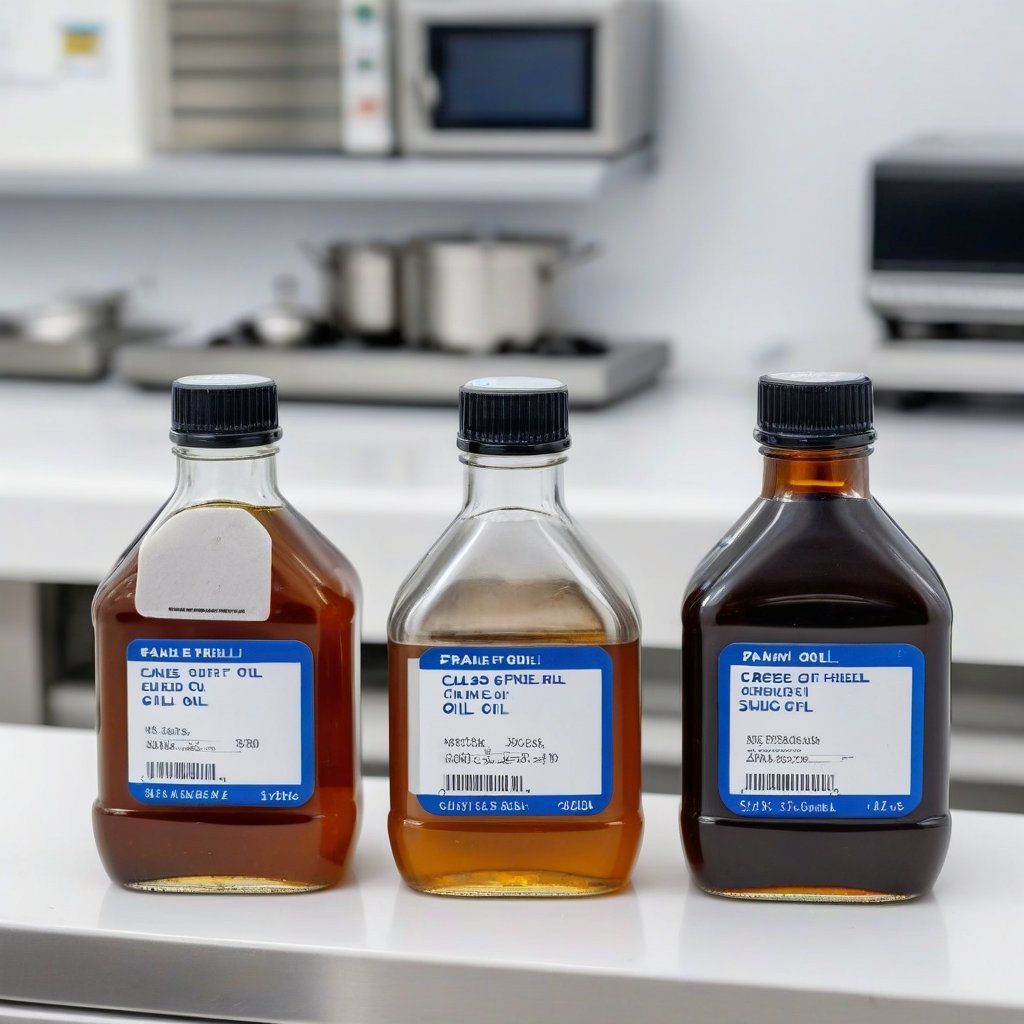
Crude palm kernel oil represents the initial rendering product from palm kernels, carrying a broader spectrum of contaminants, color, and odor compared to downstream grades.
This grade typically suits industrial oleochemical applications where ultra-high color stability and odor neutrality are less critical.
In practice, teams evaluate the crude stream for color, acidity, moisture, and impurities, aligning them with downstream processing capabilities. Operational flexibility in your facility becomes essential when handling crude PKO, because downstream refining steps will determine final performance.
From a cost and throughput perspective, crude PKO offers advantages in certain large-volume, non-food, or non-pharma contexts where stringent sensory attributes are not paramount.
Bleached PKO: Processing Steps and Impact on Color and Odor
The bleaching stage removes pigments and impurities that influence color and stability.
Bleaching enhances lightness and reduces odor intensity, producing a PKO that is closer to the finished specifications required for many applications.
In practice, bleaching is a critical quality gate: it influences downstream refining needs, affects API compatibility in certain formulations, and supports better visual consistency in cosmetic and food ingredient uses. Bleaching efficiency depends on adsorbents, contact time, and settling; these variables drive reproducibility across batches and supplier lots.
When you assess bleached PKO, you’re measuring how effectively a supplier translates raw color and odor challenges into a stable intermediate for refinement or direct use in compatible processes.
Refined PKO: Standards and Consistency
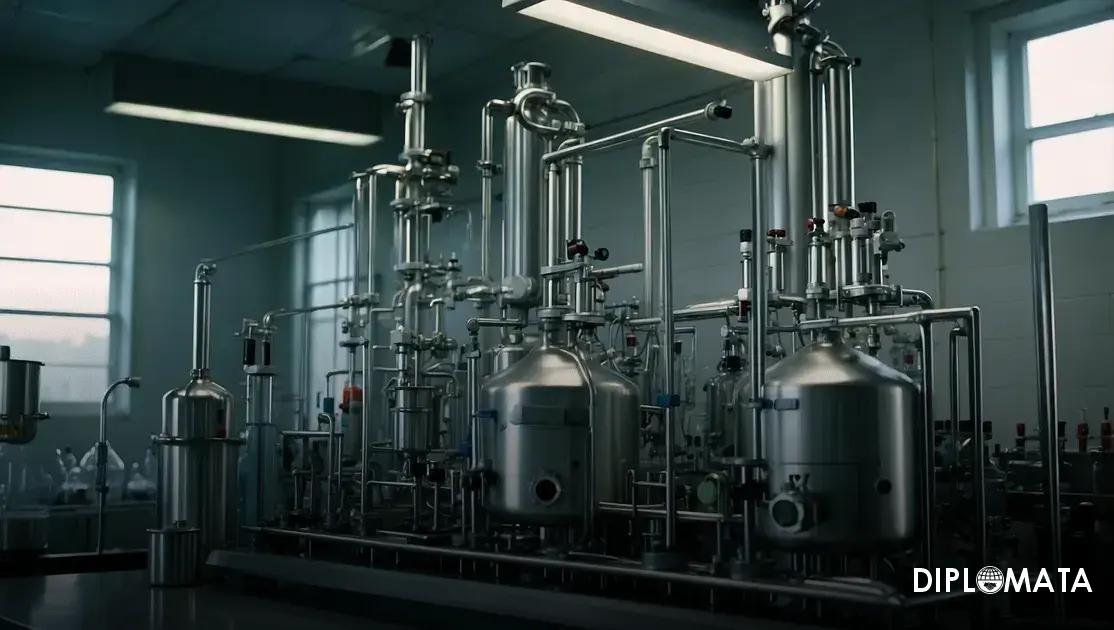
Refined PKO undergoes additional processing to meet strict purity, color, odor, and impurity benchmarks.
This grade is designed for high-consistency performance across demanding end-uses, including certain oleochemical products, specialty lubricants, and some regulated food or pharma contexts where traceability and specification strictness are non-negotiable.
In practice, refined PKO is characterized by tighter acid value ranges, lower moisture, reduced volatile compounds, and enhanced stability.
For procurement teams, the appeal lies in predictable batch-to-batch behavior, improved process control, and simplified quality assurance downstream. Consistency and traceability are the two pillars that justify choosing refined PKO when your operations demand repeatable results.
Quality Standards That Distinguish Crude, Bleached, and Refined PKO
Key Physical and Chemical Parameters
Grade selection hinges on a set of core measurements: odor, color (often quantified via standard color scales), free fatty acids or acid value, moisture content, saponification value, and impurity residuals.
These parameters drive end-use compatibility—for example, cosmetics and certain food ingredients require lower color intensity and minimal residual pigments.
A well-defined specification reduces the risk of process upsets, scrap, or rejected shipments. Color control, acidity management, and moisture limits should be central to any PKO purchase agreement, with clear acceptance criteria and escalation processes for out-of-spec batches.
Certification Schemes and QA Processes
Independent certifications—ranging from quality management systems to product-specific standards—play a pivotal role in validating PKO quality.
A supplier with mature QA processes typically demonstrates alignment with recognized frameworks, documented SOPs, audit readiness, and traceable lot documentation.
For buyers, look for evidence of intake QC, in-process checks, and final product certificates of analysis (COAs) that accompany each shipment.
Embedding these elements into supplier agreements reduces ambiguity and accelerates compliance for downstream customers. Certification and QA documentation are not decorative; they are operational risk mitigators that support faster regulatory clearance and smoother audits.
Traceability and Supplier Audits
Traceability begins at the farm or mill and extends through processing, transport, and delivery.
It requires robust batch numbering, clear lot records, and consistent supplier audits that verify sourcing, processing steps, and storage conditions.
For multinational buyers, traceability is essential to satisfy regulatory expectations and to support sustainability claims.
When a supplier can show end-to-end traceability and successful remote or on-site audits, you gain confidence that the PKO you source meets your exacting standards across geographies. Traceability and audits translate into lower transition risk and more reliable supply.
Applications and Performance: How Grade Affects End-Use
Oleochemical and HPPC Implications
Industrial and household chemical producers rely on PKO grades that align with their process requirements, especially for saponification, esterification, and other oleochemical reactions.
Crude PKO may be acceptable where downstream processing dominates quality control, while bleached PKO often serves as a better starting point for high-purity products.
Refined PKO consistently supports applications needing minimal color and stable chemical profiles, reducing downstream variability and improving overall process efficiency.
For buyers, aligning grade with process tolerance reduces rework, scrap, and requalification costs. Oleochemical performance hinges on selecting the right PKO grade, with refinements yielding more predictable reaction outcomes.
Food-Grade and Nutrition Contexts
In food applications, color, odor, and impurity profiles are scrutinized more intensely.
While PKO is a source of fats and oils in certain formulations, many food-grade pathways demand stringent refinements and certifiable purity.
Bleached PKO and refined PKO often gain preference where sensory attributes and regulatory approvals are critical.
When evaluating PKO for edible or nutraceutical uses, you should insist on clear COAs, chain-of-custody documentation, and third-party certifications relevant to food safety and allergen controls. Food-grade suitability and certified purity are non-negotiable in regulated markets.
Animal Nutrition and Industrial Uses
For animal feed ingredients or industrial lubricant formulations, the tolerances for color and odor are typically more permissive than food-grade requirements, but consistency remains essential.
In these contexts, crude PKO may still be viable if downstream processing provides the required specifications at the final stage.
Bleached and refined PKO offer the added benefit of stable supply parameters that simplify formulation and quality control protocols.
The practical takeaway is to map your product spec to PKO grade early in the procurement process, avoiding downstream surprises. Consistency and formulation compatibility drive efficiency in animal nutrition and industrial applications.
Safety, Compliance, and Certifications: How to Vet a Palm Kernel Oil Supplier
Common Certifications in the Oleochemical Industry
Global buyers expect suppliers to hold credible certifications covering quality management, product safety, and environmental responsibility.
Look for ISO 9001 for quality management, ISO 22000 or HACCP-adjacent certifications for food safety, and ISO 14001 or equivalent sustainability credentials for environmental stewardship.
Regional approvals—such as GMP-like requirements in pharma or cosmetic-grade standards—signal readiness for regulated markets.
When a supplier maintains a clear certification portfolio and keeps COAs with every shipment, you reduce compliance risk and speed up approvals in your own QA process. Quality certifications and safety certifications are practical investments that pay off in faster market access and fewer audits.
Verifying Sustainability and Ethical Sourcing
Responsible sourcing matters for brand integrity and business continuity.
Seek evidence of traceability to origin, supplier audits, and sustainability declarations aligned with recognized frameworks.
A robust supplier will transparently discuss environmental controls, worker safety practices, and efforts to minimize waste and emissions across the PKO lifecycle.
If sustainability claims are well-documented and auditable, you can confidently communicate your supply chain ethics to customers and regulators. Sustainability controls and ethical sourcing are not optional extras; they’re strategic differentiators in mature markets.
Quality Assurance in Logistics and Storage
Reliable PKO procurement also depends on handling, transportation, and storage conditions that preserve product integrity.
Look for documented cold-chain or temperature-controlled logistics where required, validated storage facilities, and clear contingency plans for container contamination or delay.
In practice, logistics excellence reduces spoilage risk, maintains specification integrity, and ensures timely deliveries.
The right supplier provides end-to-end QA that covers both the production line and the journey to your facility. Logistics QA and storage controls protect value from source to site.
Economic Considerations: Cost, Availability, and Lead Times Across Grades
Processing Cost Implications
Each refinement step adds value through purity, stability, and consistency, but it also drives cost.
Crude PKO offers lower upfront processing, Bleached PKO adds handling and cleaning steps, and Refined PKO entails the most stringent processing suite.
The choice depends on your target spec, tolerance for variability, and downstream processing capabilities.
A practical approach is to quantify not just the price per ton, but the total cost of quality—early QA alignment, reduced rework, and smoother regulatory clearance. Processing costs and total cost of quality should be assessed together to inform a durable procurement strategy.
Supply Stability and Procurement Strategies
Market dynamics in palm kernel supply can vary by origin, crop year, and logistics constraints.
A supplier with diversified sourcing, robust hedging strategies, and reliable logistics reduces exposure to regional disruptions.
For buyers, it’s prudent to establish multi-year frameworks with clear volume commitments, performance metrics, and flex terms to accommodate demand fluctuations.
With a trusted partner, you gain predictability in lead times and more resilient planning. Supply stability and multi-year frameworks are practical levers for procurement resilience.
Risk Management and Contract Terms
Contracts should embed quality specifications, acceptance criteria, and corrective action plans for non-conforming lots.
Consider including clauses for COA delivery with each shipment, penalties or remediation options for delays, and defined processes for dispute resolution.
Proactive risk management reduces operational friction and protects your production schedules.
A mature supplier will guide you through these terms, translating technical requirements into commercially workable conditions. Contract terms and non-conforming lot handling are essential for stable, scalable sourcing.
Diplomata Comercial: Quality Standards, Global Reach, and Why We Lead the Market
Decades of Experience and Domain Expertise
Diplomata Comercial has built a solid track record over 20 years in the chemical and oleochemical spaces.
Our focus on high-purity oils, fats, and related intermediates has trained us to map complex specifications to practical supply solutions.
We understand the nuanced needs of HPPC, pharma, industrial chemistry, food ingredients, and animal nutrition.
Our teams operate with a client-first mindset, translating technical requirements into reliable procurement plans, risk controls, and value-added services. Experience and global reach underpin our credibility as a trusted supplier of palm kernel oil and related products.
Case Studies and Partnerships
Across markets—from manufacturing hubs in the Americas to distribution networks in Europe and Asia—our client partnerships demonstrate consistent performance, aggressive problem-solving, and responsive service.
We adapt to changing regulations, shifting price environments, and evolving customer needs without compromising on quality or delivery.
Through collaboration, we have helped clients reach their specifications faster, cut downtime, and maintain stable production lines even when market dynamics shift. Partnerships and case-driven results illustrate how we translate capability into business outcomes.
How We Ensure You Meet Palm Kernel Oil Quality and Certifications
Our approach blends rigorous QA, transparent documentation, and proactive risk management.
We advocate for explicit grade mapping, COA alignment, and traceable lot records to give your QA teams a clear auditable trail.
With a broad network of international suppliers and a robust logistics engine, we deliver scale without sacrificing control.
We help you define precise grade requirements, confirm certifications align with your regulatory landscape, and establish a dependable, compliant supply pipeline. QA rigor, traceable supply, and global capability are the core pillars of our value proposition for palm kernel oil.
Next Steps for Selecting PKO Quality and Certifications
Define Your Grade Requirements and Quality Specs
Start with a precise map of end-use requirements: color, odor, acidity, moisture, and impurity thresholds.
Translate these into a formal PKO grade specification that a supplier can audit against.
This clarity reduces back-and-forth and speeds up supplier qualification.
Consider how your downstream processes react to color or odor variations, and set acceptable tolerances accordingly. Grade specification and end-use alignment determine whether crude, bleached, or refined PKO best fits your process.
Request QA Documentation and Perform Supplier Audits
Ask for COAs with every shipment, batch traceability records, and validation of certifications.
Complement with on-site or virtual audits to verify QA practices, storage conditions, and handling procedures.
A rigorous due-diligence program minimizes disruption and substantiates your supplier claims during regulatory reviews or customer audits. COA reliability and supplier audits are non-negotiable in high-stakes supply chains.
Plan for Seamless Logistics and Post-Sale Support
Coordinate with logistics teams to ensure temperature control where required, containerization standards, and clear transit documentation.
Agree on lead times, contingency plans for delays, and post-sale support channels.
A partner who offers end-to-end service—from sourcing and QA to shipping and after-sales assistance—will streamline your operations and keep your production lines moving. Logistics coordination and post-sale support complete the supply reliability loop. ISO 9001 or equivalent certifications, COAs, and traceability programs should underpin every step of this process.
In 2025, making the right choice for palm kernel oil quality standards translates into measurable gains in process stability, regulatory readiness, and commercial confidence.
If you’re seeking a supplier with proven global reach and a track record of delivering consistent PKO grades to a broad set of industries, Diplomata Comercial stands ready to engage.
We bring technical depth, pragmatic guidance, and scale to help you meet Palm Kernel Oil Quality and Certifications with assurance.
Next steps start with a discovery call to align your grade requirements with our sourcing options, followed by a structured QA review and a transparent, documented procurement plan.
Let’s translate your specifications into a reliable, compliant PKO supply that supports your growth ambitions.
Frequently Asked Questions
What are the core differences between crude PKO, bleached PKO, and refined PKO in terms of composition and typical applications?
Crude PKO is the initial rendering product with higher contaminants, color, and odor, often used in non-sensitive industrial applications. Bleached PKO undergoes decolorization to reduce color and odor, making it more suitable for downstream processing. Refined PKO is thoroughly purified to meet strict color, odor, and purity specs, enabling use in foods, pharmaceuticals, and cosmetics.
How do color, odor, acidity, and moisture influence selecting a palm kernel oil grade for a given end use?
These parameters indicate how much downstream refining is needed and how the oil will perform in the final product. Lower color and odor can reduce processing costs and improve sensory stability. For applications requiring strict sensory neutrality, refined PKO is preferred; for less sensitive uses, crude or bleached may suffice.
Which PKO grade is generally recommended for pharmaceutical and food ingredients, and why?
Refined PKO is typically recommended for pharma and food due to tighter color, odor, and impurity specifications and regulatory alignment. Bleached PKO can be acceptable when moderate color removal is needed, offering a balance between cost and performance. Crude PKO is generally avoided in sensitive applications where purity matters.
What procurement criteria should you evaluate when sourcing palm kernel oil across crude, bleached, and refined grades?
Key criteria include target color/odor specs, acidity (FFA), moisture, impurity profile, regulatory compliance, and traceability. Also assess downstream refining requirements, expected yield, and total cost of ownership, including logistics. Ensure QA documentation and supplier capabilities align with your process needs.
How does the refining process affect regulatory compliance and market readiness across different regions?
The refining step tightens specs to align with global safety and quality standards, aiding cross-region market access. Bleached and refined PKO typically meet stricter requirements for food, pharma, and cosmetics. Regional regulatory expectations vary, so select PKO grade that fits target markets and audit needs.
What are the typical cost and throughput implications when choosing between crude, bleached, and refined PKO?
Crude PKO generally has a lower upfront cost and higher throughput, suitable for large-volume non-sensitive applications. Bleached and refined PKO involve additional processing steps, raising upfront costs but often reducing downstream processing and QA risk. Total cost depends on process yields, required specs, and waste/effluent handling.
Can crude PKO be effectively used in non-food sectors while meeting performance requirements?
Yes, crude PKO can serve large-volume industrial oleochemical applications where color and odor are less critical. It requires robust downstream refining and QA to ensure consistency with process requirements. For end-uses involving flavor, aroma, or regulatory thresholds, higher-grade PKO is typically preferred.
How can QA processes and supplier collaboration improve consistency across PKO lots?
Implement strict incoming QC, batch traceability, and clear specification sheets to detect deviations early. Regular analytical testing (color, odor, acidity, impurities) and QA audits help monitor lot-to-lot consistency. A collaborative supplier relationship supports transparent data sharing and continuous improvement across regions.