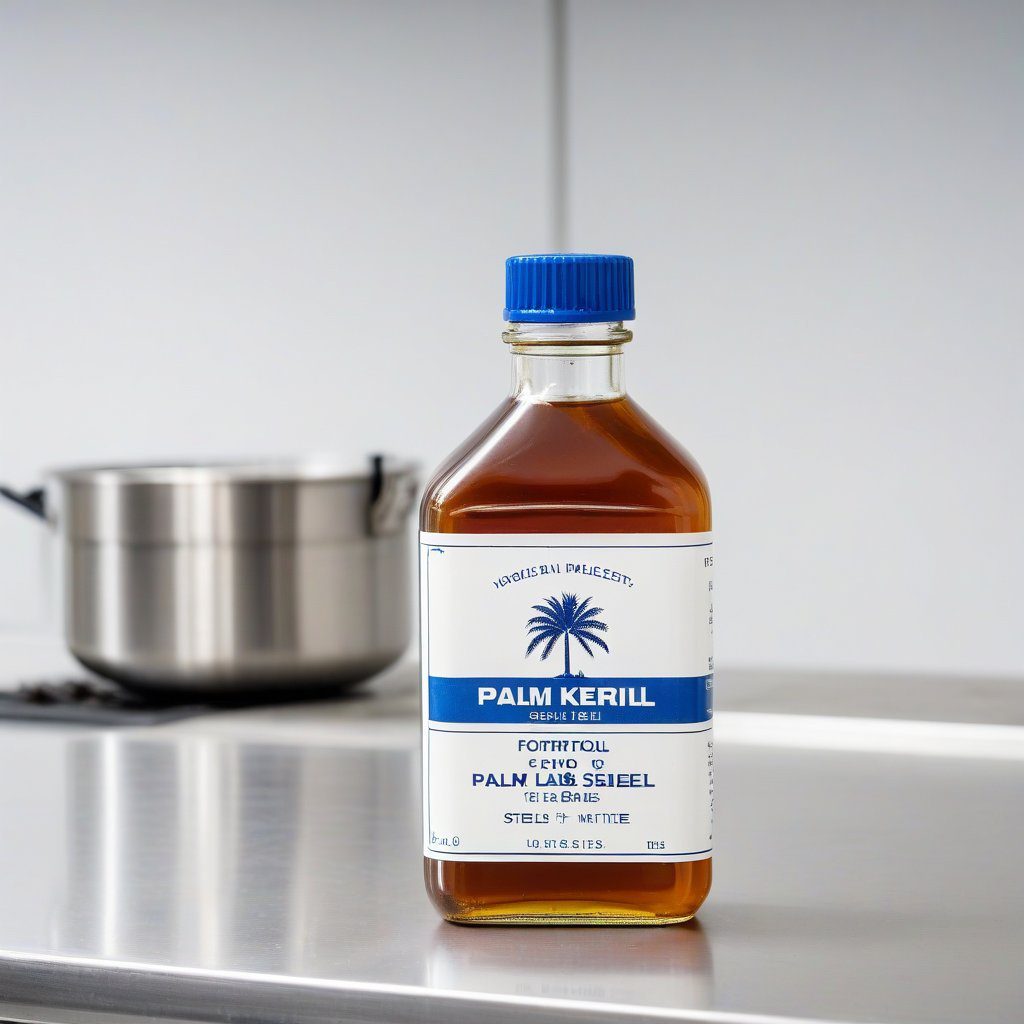
Contracting for palm kernel oil requires more than price and delivery dates.
It demands a disciplined approach to quality, compliance, and risk management across the entire supply chain.
With over two decades in the chemical and oleochemical markets, Diplomata Comercial has built a global network of trusted palm kernel oil suppliers and a robust quality framework that translates into reliable performance for manufacturers in HPPC, pharma, industrial chemistry, food ingredients, and animal nutrition.
Our experience informs practical, business-ready guidance that helps buyers and suppliers align on specifications, testing regimes, and documentation from day one.
This guide presents a practical, human-centered checklist to help you structure contracts that safeguard product integrity, traceability, and regulatory alignment while preserving competitive cost and timely supply.
By embedding rigorous QA into your palm kernel oil supply contracts, you reduce risk, shorten lead times, and strengthen your leverage in negotiations.
Read on to discover actionable steps, real-world insights, and proven methodologies that work in 2025 and beyond, backed by a global footprint and a commitment to excellence that only a long-standing oleochemical partner can provide.
Palm Kernel Oil Supply Contracts: Key Elements for Quality and Compliance
Creating contracts that protect quality begins with clear, enforceable specifications, supplier qualifications, and change control.
A well-structured contract acts as the backbone of a stable, auditable supply chain, enabling both parties to manage expectations and outcomes effectively.
Diplomata Comercial applies its two-decade track record to help clients translate complex technical needs into practical, enforceable terms that survive market volatility and regulatory scrutiny.
The goal is to harmonize commercial terms with rigorous quality criteria so that every batch delivers consistent performance and compliance across borders.
Defining Material Specifications and Quality Benchmarks
Start with a precise product profile.
Define grade, processing method, processing aids, and the intended end-use (food, cosmetic, industrial, or feed).
Establish target parameters for appearance, color, odor, moisture, impurities, and contaminants.
Include acceptable ranges for key quality attributes and clearly state what constitutes a non-conformance.
Incorporate documented acceptance criteria and a robust change-control protocol to manage specification updates.
This is where the palm kernel oil quality standards come alive in a contract, guiding supplier selection, sampling, and QA testing.
A well-documented specification minimizes subjective interpretation at inspection points and supports faster issue resolution when deviations occur.
Practical tip: align specifications with market expectations and regulatory requirements in your target regions.
If you sell to multiple geographies, consider harmonizing a common core specification with region-specific amendments to reduce variation across shipments.
Supplier Qualification and Pre-Qualification Audits
Qualification goes beyond price.
It includes evaluating manufacturing capability, process controls, and quality culture.
Establish criteria for supplier eligibility, including demonstrated capacity, reliability, and governance.
Pre-qualification should cover manufacturing facilities, storage practices, and batch release procedures.
Use a standardized scoring framework and document audit findings.
Require evidence such as facility certifications, calibration records, and sample CoAs from accredited labs.
A well-executed pre-qualification reduces the risk of late-stage contract renegotiations and supply interruptions, preserving your project timelines and cost predictability.
Real-world insight: our teams routinely map supplier capabilities to customer risk profiles, ensuring that critical raw materials like palm kernel oil are sourced from facilities with robust traceability and certifications that meet global expectations.
Documentation, Certifications, and Change Control
Documentation is the contract’s legal and operational spine.
Specify the required documentation at each stage—from purchase orders and CoAs (Certificates of Analysis) to COOs (Certificates of Origin) and CoCs (Chain of Custody).
Define who approves changes, how changes are communicated, and how volume and lead-time implications are managed.
Mandate relevant certifications, such as ISO 9001 and, where applicable, RSPO Chain of Custody for sustainably sourced palm-based materials.
Ensure traceability records enable batch-level tracking from procurement through distribution.
This reduces the burden of audits and accelerates compliance checks with customers and regulators alike.
Bottom line: clear specifications, rigorous supplier qualification, and comprehensive documentation create a durable foundation for palm kernel oil supply contracts that survive audits and market pressures.
Quality Assurance Framework: Inspections, Testing, and Certifications
A formal QA framework translates contractual commitments into verifiable performance.
It minimizes ambiguity and provides a transparent, auditable trail for each shipment.
Diplomata Comercial’s approach blends on-site diligence with laboratory rigor, ensuring your palm kernel oil arrives with consistent quality and traceable provenance.
Sampling Plans, On-Site Inspections, and Acceptance Testing
Define sampling frequency, methods, and acceptance criteria.
Decide whether random sampling or statistically based sampling will be used, and specify the number of samples per batch.
Include who can conduct inspections, how results are documented, and how rejected lots are handled.
Incorporate on-site inspections at the point of origin when feasible.
On-site checks reinforce confidence that storage, handling, and transport conditions preserve product integrity.
Short review cycles and rapid feedback loops help prevent small deviations from escalating into costly recalls or production downtime.
As a practical practice, pair sampling plans with a formal non-conformance process.
This creates a closed-loop improvement mechanism that sharpens supplier performance over time and supports supplier development initiatives.
Laboratory Testing and Certificates of Analysis (CoA)
Laboratory testing provides objective confirmation of every batch’s compliance with the defined specifications.
Specify required testing parameters, test methods, accredited laboratories, and the format of the CoA.
Include acceptance criteria for each parameter and a clear process for addressing out-of-spec results.
Require CoAs to accompany shipments and be archived for audit accessibility.
Ensure CoAs reference test methods aligned with international standards and, when possible, include traceability data linking results to the batch or lot.
For continued reliability, establish a schedule for re-testing or third-party verification on a risk-based basis, particularly for batches involving regulatory-sensitive applications or high-value segments.
Quality Certifications and Regulatory Compliance
Adopt a portfolio of certifications that reflect your risk appetite and customer requirements.
ISO 9001 demonstrates a structured quality management system; RSPO Chain of Custody demonstrates sustainable sourcing; and other certifications like HACCP (where relevant) bolster food or feed safety credentials.
Align internal QA processes with supplier QA activities.
A coordinated approach reduces duplication, speeds audits, and improves overall supply chain resilience.
Certification readiness should be a standing agenda item in supplier reviews, not a yearly afterthought.
Supply Chain Transparency: Traceability, Audits, and Third-Party Verifications
Transparency underpins trust in palm kernel oil supply contracts.
Buyers increasingly demand end-to-end visibility, from raw material sourcing to final delivery.
Diplomata Comercial leverages a global network and modern traceability practices to provide customers with confidence in material provenance, quality history, and compliance status.
Traceability Systems and Lot Segregation
Implement lot-level traceability to map each shipment from supplier to customer.
Define lot identifiers, storage locations, and movement history.
Lot segregation prevents cross-contamination and ensures that a customer’s orders remain distinct, particularly when sourcing from multiple suppliers or facilities.
Document how traceability data are captured, stored, and accessible during audits.
A robust system supports recall readiness, regulatory reporting, and supplier performance analysis.
With clear chain-of-custody records, you can confidently demonstrate responsible sourcing and quality integrity.
Supplier Audits and Corrective Actions
Schedule regular supplier audits, combining document reviews, facility tours, and process observations.
Use standardized audit checklists to ensure consistency across suppliers and geographies.
For any non-conformances, require timely corrective actions with quantified completion dates and impact assessments.
Close the loop with verification audits to confirm that corrective actions were implemented effectively.
This cycle strengthens supplier relationships and reduces the likelihood of recurring issues, improving reliability across your palm kernel oil supply.
Ethical Sourcing, Sustainability, and Certification Alignment
Incorporate sustainability and ethics into supplier evaluation.
RSPO certification, responsible sourcing commitments, and environmental stewardship are increasingly central to procurement decisions.
Align supplier expectations with your company’s sustainability goals to enhance brand value and meet regulatory or customer-imposed requirements.
Practical note: a transparent supply chain does more than satisfy compliance; it also differentiates your business in a competitive marketplace where customers seek responsible, reliable partners for oleochemical feedstocks.
Risk Management in Palm Kernel Oil Contracts: Disruptions, Currency, and Compliance
Risk is inherent in international oil supply chains.
Effective contracts anticipate disruptions, currency fluctuations, regulatory shifts, and operational failures.
Diplomata Comercial’s global reach and disciplined risk radar help clients build resilience into every palm kernel oil contract, protecting margins and timelines while maintaining quality integrity.
Contingency Planning and Alternative Sourcing
Develop contingency plans for supply interruptions, such as supplier failure, port congestion, or quality rejections.
Define alternative sourcing strategies, minimum buy requirements, and inventory buffers.
Document trigger events that activate contingency measures and assign clear responsibilities for execution.
Include a defined escalation path to accelerate decision-making during disruptions.
A well-documented plan reduces reaction times, preserves production continuity, and minimizes the damage to project schedules.
Currency, Payment Terms, and Regulatory Risks
Price volatility and cross-border payment risks can erode margins.
Use hedging strategies, forward contracts, or currency-adjustment clauses to manage exposure.
Define acceptable payment terms that align with supplier cash flow while safeguarding your working capital and minimizing financial risk.
Regulatory risk, including import/export controls and sanctions regimes, demands ongoing monitoring.
Build compliance checks into supplier onboarding and ongoing due diligence, and ensure that your contract reflects the ability to pause, renegotiate, or terminate if regulatory constraints arise.
Quality Compliance Checklist: 12 Actionable Steps for 2025
Use this practical checklist to operationalize quality and compliance in palm kernel oil contracts.
Each item is designed to be actionable, measurable, and auditable, helping teams track progress and close gaps quickly.
- Define a clear specification with measurable ranges for the palm kernel oil, including end-use requirements and acceptable deviations.
- Establish qualified supplier criteria and a standardized pre-qualification process to screen potential partners.
- Implement documented change control for any specification revisions or process changes.
- Set sampling plans and acceptance testing procedures for every batch.
- Mandate Certificates of Analysis from accredited laboratories with batch-level traceability.
- Require appropriate certifications (ISO 9001, RSPO CoC where applicable) and maintain up-to-date records.
- Define traceability requirements from supplier to customer, including lot segregation.
- Schedule regular supplier audits and establish corrective-action timelines.
- Develop a robust recall and non-conformance process with clear ownership and timelines.
- Incorporate sustainability considerations and ethical sourcing into supplier assessments.
- Align logistics and Incoterms with QA requirements to ensure product integrity during transit.
- Maintain a risk register capturing disruptions, currency exposure, and regulatory changes with mitigation plans.
Strategic Negotiation and Global Logistics for Palm Kernel Oil Contracts
Negotiation is where quality commitments meet commercial realities.
A well-prepared negotiation strategy links technical requirements to price, storage, and delivery terms.
Diplomata Comercial combines market intelligence, technical expertise, and a global footprint to help clients secure favorable terms while preserving product quality and compliance.
By framing negotiations around risk-adjusted value and long-term reliability, you achieve sustainable partnerships rather than transactional deals.
Negotiation Tactics for Quality and Price
Focus on a total-cost approach that accounts for QA costs, potential recalls, and supply disruption risks.
Use objective performance data from audits and CoAs to back claims about supplier reliability.
When possible, bundle quality assurances with volume commitments or long-term frameworks to improve leverage without sacrificing quality.
Leverage multi-sourcing to reduce dependency risk, but require consistent QA standards across suppliers to avoid harmonization headaches.
Clear performance-based incentives, aligned with scorecards, help maintain high standards while allowing room for improvement and capacity adjustments during peak demand.
Logistics, Incoterms, and Regulatory Compliance
Align logistics with QA milestones.
Specify conditions under which inspections occur, who bears risk at each stage, and how transit conditions affect product integrity.
Use Incoterms that support quality control and timely release of goods, minimizing ambiguity during customs clearance and regulatory checks.
Regulatory compliance is non-negotiable when shipping palm kernel oil across borders.
Build in regular regulatory scans and a dedicated compliance contact to monitor changes in import/export rules, labeling requirements, and documentation standards.
Your contract should empower you to pause shipments if compliance risks arise and to renegotiate terms without punitive penalties.
Finalizing and Onboarding with Diplomata Comercial
Transition from contract to practice with a structured onboarding plan.
Include supplier integration timelines, QA handover protocols, and a shared digital repository for CoAs, audits, and certifications.
Establish a quarterly review cadence to refresh specifications, assess supplier performance, and adjust risk controls as market conditions evolve.
Our approach combines rigorous QA, global sourcing with traceability, and practical contract language to help you secure reliable palm kernel oil supply contracts that scale with your business needs.
Strategic Next Steps for Secure Palm Kernel Oil Supply
If you are seeking a proven partner to streamline your palm kernel oil sourcing, Diplomata Comercial offers a globally integrated solution powered by 20 years of industry experience and a track record of reliable, high-quality supply.
Our teams work with you to design contracts that embed quality at every step—from specification and testing to documentation, audits, and logistics.
We help you build stronger supplier relationships, reduce risk, and improve cost efficiency without compromising compliance or product integrity.
Ready to advance? Contact Diplomata Comercial to discuss custom palm kernel oil supply contracts that align with your technical requirements, regulatory needs, and business goals.
Whether you’re optimizing an existing supplier base or building a new sourcing program, our global reach, rigorous QA culture, and practical, business-ready approaches position your company for sustained success in the palm kernel oil market.
Let us turn your quality and compliance objectives into measurable results.
Frequently Asked Questions
How should material specifications be defined in palm kernel oil contracts?
Define clear, measurable specifications for palm kernel oil, including key quality attributes such as moisture, free fatty acidity, peroxide value, contaminants, and acceptable ranges. Specify testing methods (e.g., ASTM, ISO) and the sample size per batch, plus who conducts the tests. Establish a documented process for deviations, including CAPA actions, rejections, and how changes to specs are approved through formal change control.
What supplier qualification steps are essential for palm kernel oil contracts?
Require evidence of supplier qualifications, including certifications, facility audits, and traceable origins of the oil. Define performance metrics (throughput, on-time delivery, QA pass rates) and set up ongoing surveillance, audits, and corrective action plans. Ensure clear acceptance/rejection protocols for non-conforming lots and escalation paths.
How does change control apply to palm kernel oil supply agreements?
Describe how changes to specifications, packaging, or lead times are initiated, reviewed, and approved with formal notice. Require impact assessments on quality, supply continuity, and cost, and document changes in contract addenda. Ensure changes do not undermine product integrity and that affected batches are re-qualified if needed.
What testing regimes are recommended to verify palm kernel oil quality?
Outline a testing regime with defined frequency, sampling plans, and the use of in-house and/or third-party accredited laboratories. Require auditable test reports and data integrity controls, with validated analytical methods. Define release criteria and the process for addressing out-of-spec results.
How can contracts ensure traceability across the palm kernel oil supply chain?
Mandate lot-level traceability from source to customer, including unique batch identifiers and complete documentation (COAs, SDS). Require secure, auditable data sharing and procedures for recalls or withdrawals. This enables rapid, accountable traceability across borders.
What regulatory considerations should be included in palm kernel oil contracts?
Include regulatory expectations relevant to end-use (food, pharma, cosmetics, animal feed), such as GMP/CGMP, food safety standards, and import/export requirements. Add requirements for MSDS, labeling, packaging, and sustainability certifications where applicable. Ensure alignment with regional rules on traceability and documentation.
How can parties manage risk and lead times in palm kernel oil sourcing?
Incorporate risk-mitigation clauses such as safety stock, alternate suppliers, and long-term pricing with lead-time commitments. Define contingency plans and performance-based remedies for disruptions, while preserving supplier leverage for quality and reliability. Include clear escalation and communication protocols to minimize supply gaps.
What are common pitfalls in palm kernel oil contracts and how can they be avoided?
Common issues include vague specs, missing change-control processes, and insufficient QA documentation. Also problematic are unclear data ownership for testing and weak traceability. To avoid them, codify precise specs, implement formal QA checks, grant audit rights, and require end-to-end documentation plus clear dispute resolution mechanisms.