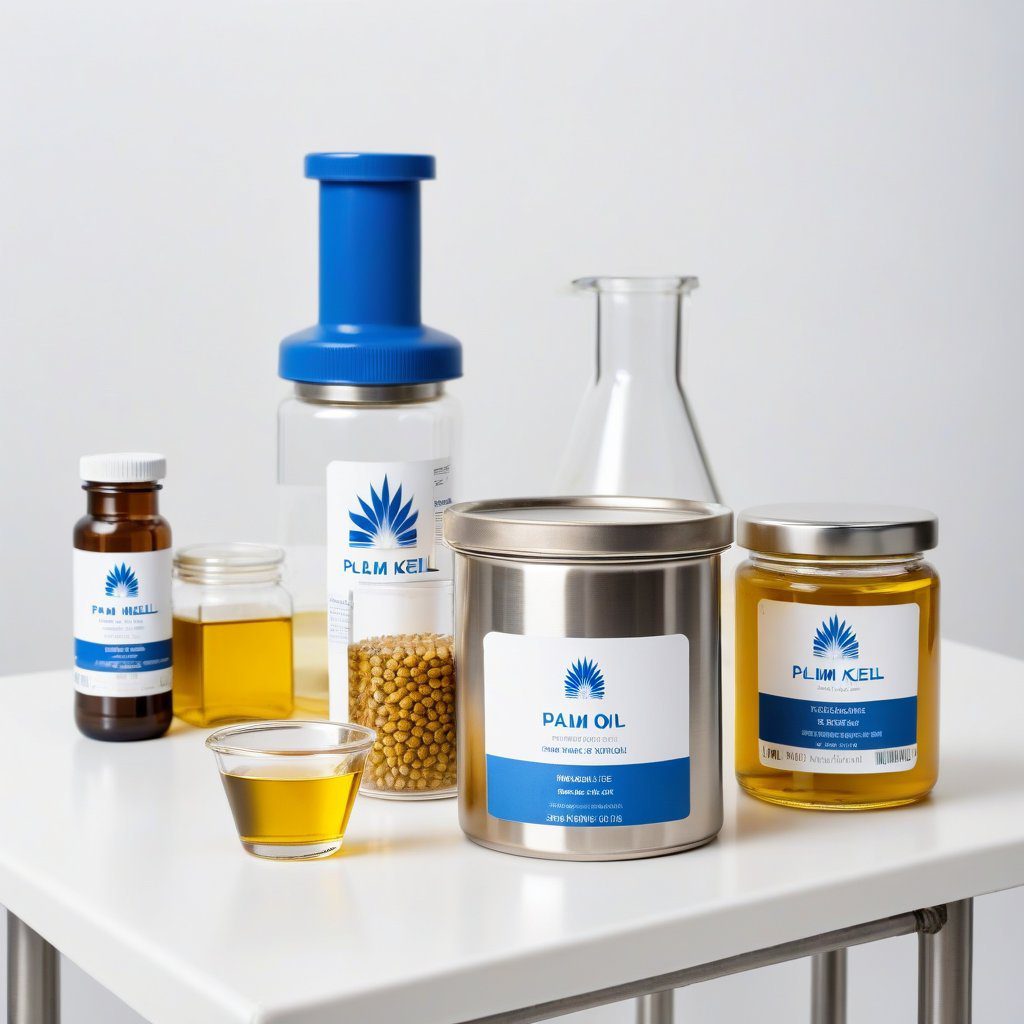
Integrated Logistics Best Practices for Palm Kernel Oil: Storage, Transportation, and On-Time Delivery are essential for any business seeking reliable, scalable, and cost-efficient supply chain performance.
In a marketplace where quality, traceability, and speed directly impact uptime and customer satisfaction, a strategic approach to logistics becomes a competitive differentiator.
Diplomata Comercial, with more than two decades in the chemical and oleochemical sectors, designs logistics programs that align operational realities with business goals.
Our approach integrates planning, execution, and control across storage, transportation, and delivery, ensuring that palm kernel oil reaches customers on time and in perfect condition.
Each engagement leverages established supplier networks, rigorous QA practices, and real-time visibility to reduce risk and optimize cash flow.
This guide walks through practical, field-tested practices that you can adopt to strengthen your palm kernel oil supply chain, from storage temperature control to last-mile delivery, all while maintaining strict regulatory and quality standards.
Integrated Logistics Best Practices for Palm Kernel Oil: Storage, Transportation, and On-Time Delivery
Why Integrated Logistics Matters for Palm Kernel Oil Supply
Integrated logistics creates a seamless flow from supplier to end user, minimizing handoffs that can introduce delay or variability.
For palm kernel oil, where product integrity hinges on controlled conditions and careful handling, integration means aligning sourcing, warehousing, transport, and distribution with a single strategy.
This cohesion reduces cycle times, improves inventory turns, and enhances traceability across the entire palm kernel oil supply chain.
Our experience shows that when teams share data, coordinate schedules, and standardize documentation, the result is higher service levels and lower total cost of ownership.
Key Stakeholders and Roles in the Supply Chain
Successful integration depends on clearly defined roles among suppliers, distributors, logistics providers, and customers.
A unified governance model ensures that every stakeholder understands critical control points, such as QA checks, packaging integrity, and temperature thresholds.
In practice, this means定 regular status updates, standardized CoAs, and automated alerts when conditions drift.
By fostering collaboration, traceability, and accountability, companies can sustain high-performance palm kernel oil logistics even in volatile markets.
Storage Excellence: Safe Handling and Quality Preservation of Palm Kernel Oil
Temperature and Environmental Controls
Storage conditions are a primary driver of product quality for palm kernel oil.
Temperature stability, light protection, and humidity control help prevent oxidation, flavor changes, and microbial activity.
In practice, facilities should use dedicated tanks or drums designed for edible-grade or oleochemical oils, with continuous monitoring and alarm systems.
Maintain consistent temperature bands appropriate to your grade and regulatory standards, and document excursions to support traceability and recall readiness. Environmental controls and temperature monitoring are non-negotiables for preserving product integrity and meeting customer specifications.
Packaging, Labeling, and Contamination Prevention
Packaging materials should protect against leakage, contamination, and contamination-related quality issues.
Clear labeling, including batch numbers, production dates, and storage instructions, enables precise tracking throughout the chain.
Implement strict cleaning protocols for storage areas and equipment to minimize cross-contact with other products.
Robust containment strategies reduce the risk of cross-contamination and protect brand reputation across global markets.
Here, packaging integrity, label accuracy, and cleanliness are the frontline defenses.
CoA, QA Documentation and Audits
Quality Assurance documentation, including Certificates of Analysis (CoA), should accompany every shipment and be readily accessible to customers and auditors.
Regular internal audits of storage facilities, handling procedures, and inventory controls help sustain compliance with industry and regional standards.
In practice, a well-maintained QA archive supports smooth certifications, audits, and supplier qualification programs, reinforcing confidence in your palm kernel oil supply chain. QA documentation, certifications, and audits build credibility with buyers and regulators alike.
Transportation Efficiency: Modes, Routes, and Compliance for Palm Kernel Oil
Mode Selection and Route Optimization
Choosing the right transport mode—rail, road, short-sea, or a combination—depends on product characteristics, geography, and delivery windows.
Route optimization takes into account traffic patterns, port capacities, and seasonal constraints to minimize transit time and handling, while preserving product quality.
Digital routing tools, carrier performance history, and real-time weather data enable proactive adjustments.
In practice, optimized routing reduces dwell times, lowers fuel consumption, and improves on-time performance for the palm kernel oil supply chain. route optimization, mode selection, and real-time visibility are critical levers for efficiency.
Documentation, Compliance, and Incoterms
Clear documentation reduces the risk of shipment holds and delays.
Ensure accurate commercial invoices, packing lists, MSDS, and product specifications are aligned with applicable regulatory requirements and customer expectations.
Familiarity with Incoterms helps clarify responsibilities, costs, and risk transfer at each transit point.
Consistent documentation practices support smoother customs clearance and faster payments, strengthening your overall logistics reliability.
On-Time Delivery: Planning, Execution, and Real-Time Visibility
Forecast Accuracy and Scheduling
Reliable demand forecasts and synchronized production plans are the foundation of on-time delivery.
By aligning procurement, inventory policy, and transport capacity, you reduce stockouts and excess inventory.
Leverage historical data, supplier lead times, and agreed service levels to create robust schedules.
When forecasts align with real-world constraints, you gain predictable delivery windows and improved customer satisfaction.
This is where planning accuracy, capacity alignment, and customer commitments meet practical execution.
Tracking Systems, KPIs, and Alerts
End-to-end visibility is non-negotiable for timely deliveries.
Implement a Transportation Management System (TMS) or integrated platform that tracks shipments in real time, provides ETA updates, and triggers alerts for exceptions.
Key performance indicators (KPIs) such as on-time delivery, transit time variance, and dock-to-dock cycle times give you clear performance signals.
Proactive monitoring enables rapid corrective actions, reducing the probability of late deliveries and customer dissatisfaction. visibility, KPIs, and alerts are essential capabilities for a resilient palm kernel oil supply.
Risk Management and Compliance in Palm Kernel Oil Logistics
Quality Assurance and Traceability
Traceability is a cornerstone of risk management.
From farm-to-fork or plant-to-plant, maintaining a auditable trail for every batch ensures quality and facilitates recalls if necessary.
Implement standardized QA checks at reception, during storage, and at dispatch, with clear criteria for accept/reject decisions.
A robust traceability system supports customer confidence and compliance with international standards. traceability, QA, and recall readiness are critical risk-mitigation tools.
Regulatory Considerations and Certifications
Complying with regional food, feed, or industrial chemical regulations requires up-to-date awareness of standards, labeling requirements, and document retention periods.
Certifications—such as quality management systems, supplier qualification programs, and sustainability attestations—enhance market access and customer trust.
Stay current with evolving rules to prevent disruptions and maintain a smooth palm kernel oil supply chain. certifications, regulatory compliance, and sustainability credentials unlock broader markets.
Insurance, Contingency Planning, and Crisis Response
Protecting shipments with appropriate cargo insurance and having contingency plans for disruptions (events like port congestion, strikes, or weather events) are essential.
Regular drills, alternate routing, and storage redundancy minimize the impact of unforeseen events on delivery timelines.
A proactive stance on risk enables faster recovery and less downtime for your customers. contingency planning, insurance, and crisis response safeguard operations.
Technology, Partnerships, and Global Reach: Building a Resilient Palm Kernel Oil Supply
Digital Platforms and Data Integration
Modern logistics relies on data interoperability.
A unified platform that connects suppliers, logistics providers, and customers enables seamless data exchange, real-time tracking, and analytics-driven decision-making.
Integrating core systems such as ERP, WMS, and TMS reduces manual handoffs and accelerates exception resolution.
With strong data governance, you gain actionable insights that improve service levels and operating margins. data integration, ERP, and TMS are the backbone of a modern palm kernel oil supply chain.
Supplier Relationships and International Logistics
Global reach requires trusted partners, transparent pricing, and reliable service across borders.
Mature supplier relationships reduce volatility and enable more favorable terms, while international logistics capabilities ensure smooth cross-border movement of goods.
The result is a resilient supply chain capable of withstanding market fluctuations and delivering consistent value to customers worldwide. global reach, international logistics, and supplier partnerships drive stability in palm kernel oil procurement.
Next Steps to Optimize Palm Kernel Oil Logistics
To translate these best practices into measurable results, start with a gap assessment across storage, transport, and delivery processes.
Map your current workflows, document control points, and identify quick wins—such as standardized CoAs, improved temperature monitoring, and enhanced shipment visibility.
Engage a trusted partner with a track record in the palm kernel oil supply, who can tailor an integrated logistics program to your regional needs and regulatory environment.
By investing in data-driven planning, robust QA, and strategic carrier relationships, you align operations with business goals, reduce risk, and increase on-time delivery rates.
If you’re ready to elevate your logistics performance, contact our team to discuss a customized, scalable solution that combines global reach with local execution.
Let Diplomata Comercial help you transform your palm kernel oil supply into a reliable engine of growth. Contact us today to start the conversation and unlock measurable value in your logistics operations.
Perguntas Frequentes
O que é logística integrada para óleo de kernel de palma e por que ela importa?
Logística integrada para palm kernel oil abrange planejamento, execução e controle de armazenamento, transporte e entrega sob uma única estratégia. Essa abordagem reduz transferências entre etapas, aumenta a visibilidade em tempo real e ajuda a manter a integridade do produto durante o tráfego e o armazenamento. Para setor químico e oleochemical, isso se traduz em maior confiabilidade de entrega, melhor controle de qualidade e menor custo total de propriedade.
Como a logística integrada melhora a entrega pontual (on-time delivery) do PKO?
Quando planejamento, execução e dados são sincronizados entre fornecedores, armazéns e transportadores, os gargalos são identificados antes que ocorram. Essa coordenação reduz ciclos de processo e variação, resultando em taxas de entrega no prazo mais altas. A visibilidade em tempo real permite ações proativas para manter o PKO chegando aos clientes exatamente quando precisam.
Quais são os principais riscos na cadeia de suprimentos do PKO e como mitigá-los?
Riscos comuns incluem variações de temperatura, contaminação, falhas de documentação e atrasos na última milha. Mitigue com QA rigoroso, redes de fornecedores estáveis, documentação padronizada e monitoramento contínuo das condições. Planos de contingência, dados compartilhados entre parceiros e auditorias regulares de qualidade também são essenciais.
Qual é a importância do controle de temperatura no armazenamento do PKO?
O PKO requer armazenamento sob condições estáveis para preservar qualidade e estabilidade. Implementar tanques apropriados, isolamento, sensores de temperatura e alertas ajuda a detectar desvios rapidamente. Procedimentos de QA e treinamento de equipes garantem reação rápida e conformidade regulatória.
Como manter a rastreabilidade do PKO desde o fornecedor até o cliente?
Use números de lote, documentação de QA e sistemas de visibilidade em tempo real para acompanhar cada etapa. Essa rastreabilidade facilita investigações de qualidade, recalls se necessário e melhoria contínua. Padronizar documentação e manter redes de fornecedores confiáveis também fortalece a confiabilidade do fluxo.
Quais KPIs são críticos para avaliar a logística integrada do PKO?
KPIs-chave incluem taxa de entrega no prazo (OTD), tempo de ciclo, giro de estoque e custo total de propriedade. Outros indicadores úteis são a taxa de conformidade QA, perdas ou danos durante o transporte e a visibilidade em tempo real da cadeia. Monitorá-los regularmente orienta melhorias e decisões estratégicas.
Como selecionar parceiros de armazenamento e transporte para PKO?
Busque operações com armazenamento com controle de temperatura, conformidade regulatória e tecnologia de rastreabilidade. Considere cobertura geográfica, histórico de confiabilidade, capacidade de manuseio de óleo e custos. Solicite evidências de QA, auditorias e referências do setor para validação.
Quais práticas ajudam a reduzir custos sem comprometer a qualidade do PKO?
Padronize processos, compartilhe dados entre as partes e consolide remessas para obter eficiências de escala. Otimize rotas, renegocie contratos de transporte e aumente a visibilidade em tempo real para evitar perdas. Invista em planejamento de demanda e em programas de inventário gerenciado pelo fornecedor para reduzir capital imobilizado.