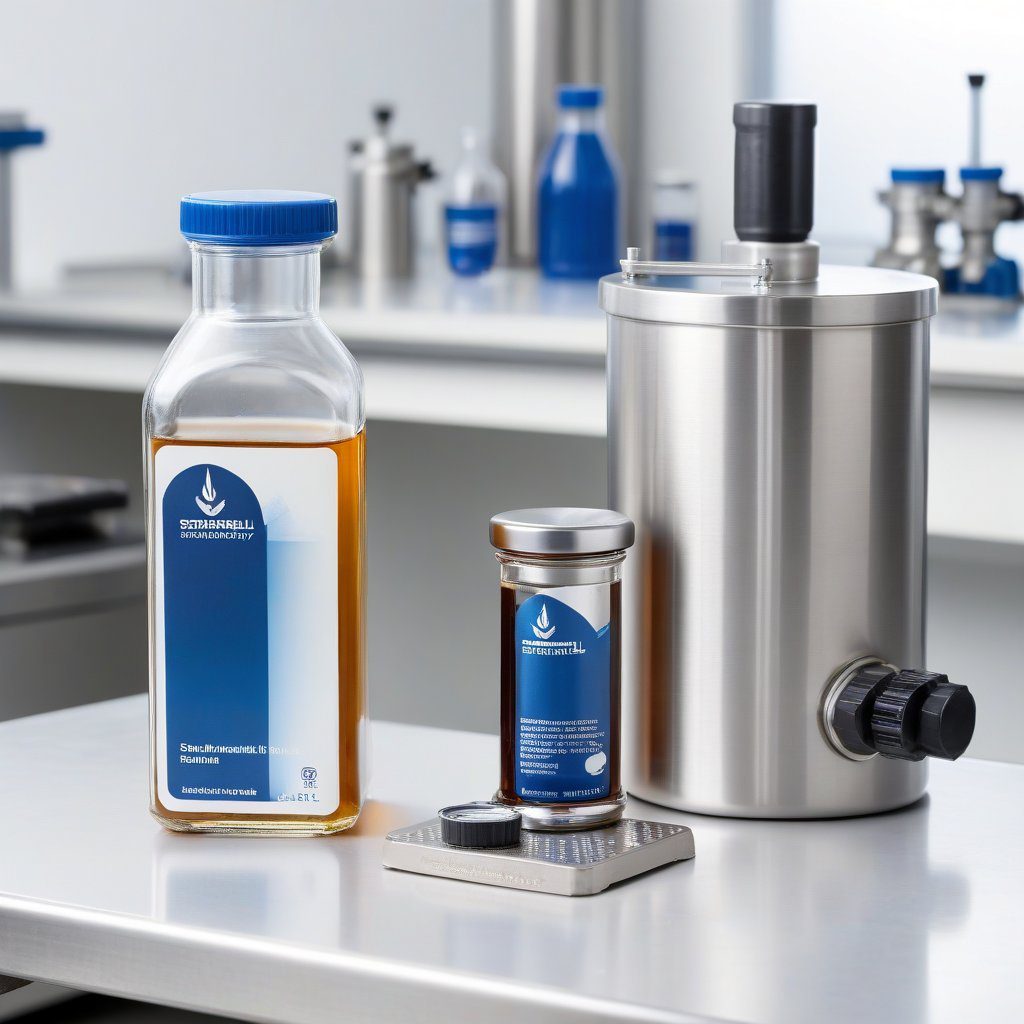
Negotiating long-term contracts for palm kernel oil in 2025 requires a strategic blend of market insight, precise risk management, and a relationship-first approach with your supplier.
The landscape continues to be shaped by volatility in feedstock supply, shifting demand across HPPC, pharma, animal nutrition, and food industries, and a growing emphasis on traceability and sustainability.
For companies seeking reliability and scale, a well-structured contract can stabilize pricing, ensure continuous flow, and unlock value beyond the price per ton.
Diplomata Comercial brings two decades of hands-on experience in the chemical and oleochemical sectors, with a global footprint that supports both domestic needs in Brazil and export opportunities worldwide.
As a trusted palm kernel oil supplier with a proven track record, we translate complex market dynamics into practical negotiation playbooks, backed by technical know-how and a robust logistics network.
This guide distills actionable steps, backed by real-world methodologies, to help your team secure favorable terms while safeguarding quality, continuity, and compliance throughout the supply chain.
Assessing 2025 Palm Kernel Oil Market Dynamics to Negotiate Better Terms
Supply volatility and price trends
Understanding supply voltage and price volatility starts with a close read of harvest cycles, refinery runs, and regional production shifts.
In 2025, the PKO market remains susceptible to weather patterns, logistics bottlenecks, and currency fluctuations that ripple through cost structures.
Build a market radar that tracks feedstock availability, transport costs, and supplier capacity, so you can anchor negotiations in realities rather than assumptions.
When discussing terms, emphasize price discovery mechanisms and transparent indexation that reflect real-time market signals rather than fixed cables baked in last year.
Forecasting demand by industry
Demand signals from HPPC, pharma, food ingredients, and animal nutrition directly influence contract volumes.
A practical approach is to map your organization’s next 12–24 months by production schedules, product launches, and seasonal demand surges.
Use this to request flexible volume commitments or staged deliveries aligned to production planning cycles.
The best teams prepare multiple scenarios, each with clear triggers for ramp-up or ramp-down, ensuring you stay within budget while preserving supply continuity.
Building a Long-Term Contract Playbook with a Palm Kernel Oil Supplier
Choosing the right contract type (OF, VMI, Take-Or-Pay)
Contract architecture drives risk distribution.
Options include off-take agreements (OF) for predictable volumes, vendor-managed inventory (VMI) to streamline replenishment, and take-or-pay clauses to secure capacity while balancing risk.
In practice, align contract types with your forecast accuracy, supplier lead times, and inventory policies.
A well-structured mix can smooth cost-of-capital impacts and reduce supply interruptions.
Remember to couple any contract type with clear delivery schedules and performance guarantees.
Defining volume, quality, and lead time
Clarity on volume commitments, quality specifications, and lead times prevents disputes later.
Specify PKO grades, default impurity thresholds, and acceptable deviations, plus sampling and testing cadence.
Tie quality outcomes to remedies that are fair for both sides, such as price adjustments or rework windows.
Document incident response timelines and escalation paths to maintain operational resilience when anomalies occur.
Negotiation Tactics That Protect Your Margins
Anchoring, BATNA, and win-win framing
Approach negotiations with a strong BATNA (best alternative to a negotiated agreement) and a credible anchor anchored in your internal forecasts and risk tolerance.
Present a mutual gains framework that demonstrates how stabilizing supply, sharing data, and aligning on sustainability goals create value for both parties.
A well-structured win-win fosters trust and reduces post-signing renegotiation risk over price, supply, and quality.
Incorporating price indices and review triggers
Integrate transparent price indices, with well-defined review triggers tied to meaningful market signals.
Use periodic price reviews, minimum/maximum caps, and re-opener clauses that come into effect under specified conditions.
This approach protects margins while keeping the door open for favorable shifts in the market, helping you maintain competitiveness without sacrificing reliability.
Quality, Compliance, and Sustainability as Negotiation Levers
Certifications, traceability, and audits
Quality and compliance are non-negotiable in palm kernel oil sourcing.
Demand robust traceability, third-party certifications, and routine supplier audits.
Demonstrating consistent adherence to quality standards reduces risk for your production lines and reinforces supplier confidence.
A transparent data flow—from origin to delivery—supports both ESG commitments and regulatory requirements in global markets.
Sustainability standards and RSPO alignment
Consumers and regulators increasingly favor suppliers who align with sustainable practices.
Incorporate sustainability criteria, RSPO alignment, and audit-ready documentation into the contract.
By integrating environmental and social governance expectations, you reduce the risk of price shocks tied to reputational concerns and position your supply chain for long-term resilience.
Risk Management, Logistics, and Supply Continuity
Diversification vs. single-source strategy
Balance is key: diversify sourcing to reduce disruption risk while leveraging the efficiencies of a trusted primary supplier.
Evaluate multi-source strategies against the cost and complexity of managing several vendors.
For many teams, a core supplier backed by secondary sources provides the ideal mix of reliability and negotiation power, with clearly defined alternative sourcing plans.
Logistics SLAs, Incoterms, and mid-stream risk
Logistics terms materially affect total cost and schedule.
Craft service level agreements (SLAs) that cover on-time delivery, shrinkage control, and cargo integrity.
Specify Incoterms, responsibilities across the supply chain, and contingency plans for port delays, container shortages, or customs issues.
Clear risk allocation reduces friction during disruptions and keeps production lines humming.
How Diplomata Comercial Brings Added Value to PKO Sourcing
Global reach, technical expertise, and customization
Diplomata Comercial combines extensive international sourcing with deep oleochemical knowledge.
Our team takes a customized approach to each client, aligning procurement strategy with production realities and market pressures.
With a robust global network, we deliver reliable access to high-quality PKO and related oleochemicals, even in volatile markets, reinforcing your supply chain stability and competitive edge.
Proven frameworks and tailored solutions
Our diagnostic process translates your goals into a practical negotiation framework and a step-by-step plan.
We combine market intelligence, quality assurance, and logistics optimization to create a cohesive approach that reduces procurement risk and improves cost efficiency.
The result is a scalable, trusted partnership that supports your growth across Brazil and international markets.
Next Steps: Aligning Your 2025 PKO Sourcing Strategy with Diplomata Comercial
To begin, map your 12–24 month demand, current supplier performance, and risk appetite.
Then align with our team to design a long-term contract plan that balances price, quality, and continuity.
With Diplomata Comercial, you gain a partner who speaks both the technical language of palm kernel oil and the business language of procurement outcomes.
If you are ready to elevate your PKO strategy, reach out to discuss how we can tailor a comprehensive sourcing program that fits your industry, timeline, and growth ambitions. Contact Diplomata Comercial today to start a conversation, explore flexible contract options, and secure a reliable palm kernel oil supply for 2025 and beyond. Diplomata Comercial.
Perguntas Frequentes
What are the most important factors to consider when negotiating long-term contracts for palm kernel oil in 2025?
Ao negociar contratos de longo prazo para óleo de caroço de palma, leve em conta a volatilidade de suprimentos, demandas setoriais (HPPC, farmacêutico, nutrição animal e alimentos) e custos logísticos. Alinhe termos a riscos aceitáveis e metas de qualidade para manter estabilidade de fornecimento e custo ao longo do tempo. Adote uma abordagem orientada por dados de mercado, não apenas por preço atual.
How does supply volatility affect palm kernel oil pricing and contract terms?
A volatilidade de suprimento impacta diretamente preços e condições contratuais, refletindo ciclos de colheita, runs de refino e mudanças regionais de produção. Inclua mecanismos de indexação de preço e cláusulas de ajuste baseadas em sinais de mercado transparentes. Estruture cláusulas de contingência para interrupções de fornecimento sem perder previsibilidade.
What price discovery mechanisms should be included in long-term PKO contracts?
Busque indexação transparente ligada a referências confiáveis, com reprecificação mensal ou trimestral. Defina pisos e tetos de preço e descreva claramente as bases de referência usadas. Evite contratos com preços fixos desatualizados que não refletem o mercado real.
What indicators help assess supplier reliability and logistics when locking in PKO supplies?
Avalie prazos de entrega, capacidade de produção, confiabilidade de transporte e controle de qualidade com sistemas de rastreabilidade. Exija métricas de desempenho, planos de contingência e direitos de auditoria para verificar conformidade. Dados consistentes reduzem riscos de interrupção na cadeia de suprimentos.
How do traceability and sustainability considerations shape PKO contract negotiations?
A demanda por fontes certificadas, auditorias de cadeia de custódia e conformidade ESG está aumentando. Inclua requisitos de relatório, penalidades por não conformidade e compromissos de melhoria contínua com o fornecedor. Tratando esses aspectos, você alinha o contrato a metas de responsabilidade ambiental e social.
How should volume commitments and pricing tiers be structured for palm kernel oil?
Defina volumes mínimo e máximo com suportes de pricing escalonado que recompensem compras maiores. Adicione flexibilidade para ajustes sazonais e opções de extensão de contrato para estabilizar o suprimento. Clarifique termos de confiança entre demanda prevista e disponibilidade.
What risk management strategies help protect margins in long-term PKO agreements?
Implemente hedge cambial, limites de volatilidade de preço e cláusulas de force majeure quando aplicável. Diversifique fornecedores e mantenha estoque de segurança para mitigar interrupções. Planejamento de contingência e revisões periódicas fortalecem a resiliência contratual.
What value can expert negotiation playbooks offer when negotiating PKO contracts in 2025?
Roteiros de negociação desenvolvidos por especialistas traduzem sinais de mercado em cláusulas práticas, benchmarks e controles de risco. Trabalhar com um fornecedor experiente de óleo de caroço de palma facilita uma abordagem orientada a relacionamento, com suporte logístico sólido e termos que protegem qualidade e continuidade. A expertise transforma incerteza em termos negociáveis.