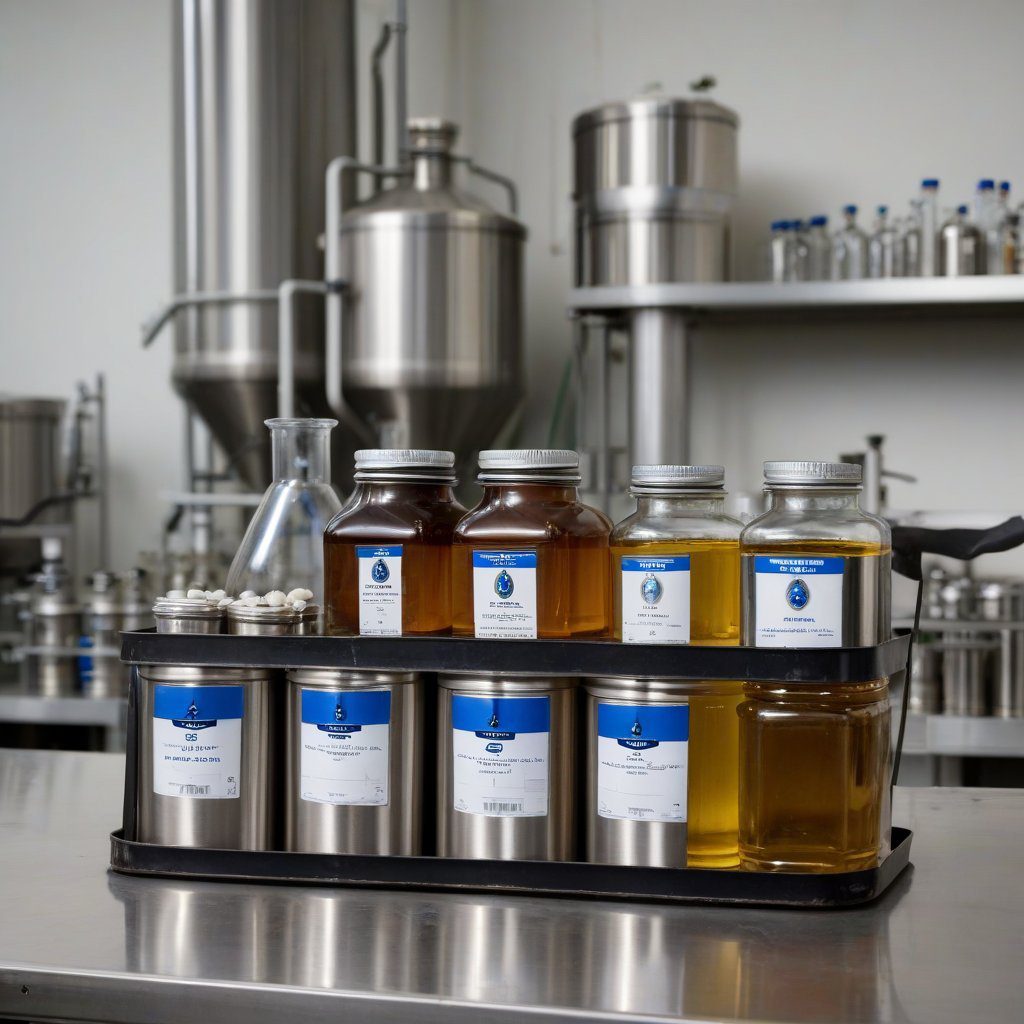
If your operation depends on consistent, high-quality palm kernel oil for oleochemical, industrial, or manufacturing use, choosing the right grade is pivotal.
The decision between crude, bleached, and refined palm kernel oil goes far beyond unit price.
It impacts processing steps, end-product performance, and total cost of ownership (TCO) across the supply chain.
With more than two decades in the sector, Diplomata Comercial has built a practical, data-informed approach to help businesses compare grades, forecast costs, and secure reliable supply.
This guide presents a practical framework anchored in real-world experience, focusing on the specific needs of companies seeking a dependable palm kernel oil supply.
You’ll find actionable criteria, decision points, and supplier considerations that translate into tangible value for your operations.
Crude, Bleached, and Refined Palm Kernel Oil: What Distinguishes Each Grade?
The three primary grades of palm kernel oil—crude PKO, bleached PKO, and refined PKO—each serve distinct roles in industrial formulations.
Understanding how they differ in composition, processing requirements, and end-use suitability helps procurement teams align grade selection with product specs, regulatory constraints, and performance targets.
Crude PKO: Characteristics, Typical Applications, and Handling
Crude PKO is the baseline oil produced directly from kernel pressing and solvent extraction.
It typically presents a higher level of impurities, color variation, and natural odor compared with downstream grades.
In many industrial settings, crude PKO serves as a feedstock for oleochemicals, biodiesel precursors, or intermediate blends where cosmetic-grade or food-grade specifications do not apply.
For companies building datadriven sourcing strategies, crude PKO often represents a lower upfront cost, accompanied by additional processing in-house or via a tolling partner to reach the desired specification.
From a handling perspective, crude PKO can require careful segregation in storage to prevent cross-contamination with more finished grades.
It benefits from robust QA checkpoints at receipt, including basic impurities screening and sulfur/volatile content checks.
In our experience, success with crude PKO hinges on clear internal post-processing capability and a well-mapped conversion plan to downstream grades if quality targets shift during production runs.
Bleached PKO: Processing and Quality Upgrades
Bleached PKO results from a targeted treatment that reduces color bodies and certain impurities, enhancing clarity and process stability downstream.
Bleaching is a critical step toward consistency when the oil enters formulations requiring uniform appearance or specific color specifications.
For manufacturers, selecting bleached PKO typically translates to lower variability in pigment-related attributes and improved compatibility with downstream processing, such as distillation, deodorization, or detergent formulations.
From an operational standpoint, bleaching introduces an additional processing stage, with associated chemical inputs and wastewater considerations.
The decision to bleach often reflects a balance between the cost of the bleaching step and the value gained in downstream processing efficiency, product aesthetics, and regulatory alignment for certain market segments.
In practice, our clients frequently leverage bleached PKO when they operate at scale and rely on stable color profiles to minimize batch rejections or reformulations.
Refined PKO: Purity, Consistency, and Commodity-Grade Readiness
Refined PKO represents the highest level of purification, delivering maximum purity, stability, and uniformity.
It is typically the go-to grade for applications demanding stringent quality controls, such as certain oleochemical products, high-end lubricants, cosmetics raw materials, and specific industrial formulations where trace contaminants could impact performance or regulatory compliance.
Refinement processes—often including degumming, neutralization, bleaching, and deodorization—are designed to minimize odor, color variance, and impurities, while preserving the hallmark fatty acid profile of palm kernel oil that drives performance in lauric-based products.
For buyers, refined PKO offers reliable lot-to-lot consistency and streamlined downstream processing.
The higher upfront cost is frequently offset by reduced batch failures, fewer rework cycles, and simpler QA testing at the formulation level.
Our partnerships with processors and distributors emphasize a transparent refinement workflow, enabling customers to track quality attributes and certification readiness with confidence.
In summary, the grade you choose should reflect the intended end-use, required color and odor profiles, regulatory constraints, and the capabilities of your internal processing or tolling partner.
The Crude PKO path may work for bulk oleochemical feeds, while Bleached PKO and Refined PKO are often preferred where color, odor, and contaminant control directly affect product performance and market acceptance.
Cost Drivers and Total Cost of Ownership for PKO
When evaluating palm kernel oil options, cost analysis should incorporate more than the purchase price.
The total cost of ownership (TCO) includes processing steps, energy and chemical inputs, handling, storage, logistics, and the risk-adjusted costs of non-conforming batches.
By mapping cost drivers across crude, bleached, and refined grades, you can identify the grade-path that delivers the best balance of performance and total expense for your operation.
Raw Material Sourcing and Extraction Efficiency
Raw material sourcing—kernel quality, oil yield from kernels, and extraction efficiency—shapes the baseline cost for any PKO grade.
Higher-grade kernels and tighter extraction controls generally reduce downstream refining loads and improve final product consistency.
From our field experience supporting diverse industries, a reliable upstream supply base with transparent traceability translates into fewer surprises at the refinery stage and more predictable batch-to-batch performance for your formulation teams.
Engaging with a partner that harmonizes upstream sourcing with a robust quality management system helps ensure that the initial raw material quality aligns with your target grade.
In practice, this alignment minimizes post-extraction adjustments and reduces the risk of off-spec material triggering reformulation or rejected shipments.
Processing Stages, Energy, and Chemicals
Each grade requires a distinct processing envelope.
Crude PKO may move quickly through extraction and basic refining, while bleached PKO adds bleaching clay or alternative adsorbents, along with filtration and solid-liquid separation steps.
Refined PKO adds multiple purification steps—degumming, neutralization, bleaching, and deodorization—each consuming energy and chemicals, as well as generating effluents that require treatment and compliance.
From a cost-management perspective, the incremental expense of additional processing steps must be weighed against gains in product stability, color control, odor removal, and regulatory readiness.
In our practice, clients who standardize on a single, well-specified grade across production lines achieve smoother logistics, reduced QA variance, and shorter changeover times between batches.
Logistics, Storage, and Inventory Costs
Logistics play a pivotal role in total PKO costs.
Freight rates, incoterms, lead times, and regional port efficiencies affect landed cost.
Storage conditions—temperature control, contamination prevention, and shelf-life considerations—impact warehousing costs and spoilage risk.
Shorter internal queues between receipt and formulation help protect product quality and shorten time-to-market for finished goods.
Companies that adopt a coordinated logistics strategy with a trusted supplier tend to realize fewer disruptions and more consistent production planning.
In our experience, the most successful programs integrate procurement, quality assurance, and logistics teams early in the grade-selection process to align on storage requirements, labeling, and documentation for regulatory compliance.
Industrial Applications and Quality Standards for PKO
Palm kernel oil serves a broad spectrum of industrial applications, from oleochemicals and lubricants to soap noodles and specialty fats.
The grade selected affects both process behavior and end-product attributes.
Aligning PKO quality with industry standards and customer requirements reduces risk, accelerates scale-up, and supports regulatory acceptance across markets.
Oleochemical, Lubricant, and Soap Noodle Applications
In oleochemical production, PKO is prized for its lauric-rich profile and predictable saponification characteristics.
The crude-to-finished pathway often determines the ease of downstream neutralization and fractionation, while bleached and refined grades support consistent pigment compatibility and scent control in specialty products.
For lubricants and industrial formulations, purity, fatty-acid balance, and oxidation stability directly influence performance and service life.
Soap noodles and related detergent intermediates rely on color stability and low impurity levels.
Bleached and refined PKO typically offer advantages in color neutrality and odor control, contributing to a more consistent final product.
Our teams collaborate with customers to determine the grade that harmonizes with existing formulation specs, processing equipment, and QA testing protocols.
Farma, HPPC, Food-Grade vs Industrial-Grade: Aligning Specs
Pharma, cosmetic, and food-ingredient applications often require tight quality controls, including impurity profiles, deodorization standards, and regulatory certifications.
In contrast, industrial-grade PKO used in wares like DP (detergent and cleaning products) or bio-based polymers may prioritize stability and cost-efficiency.
By identifying the target end-use early, you can select a PKO grade that minimizes the need for post-processing while meeting performance criteria and compliance obligations.
Diplomata Comercial supports clients by mapping regulatory expectations, certification needs (for example, feed, cosmetic, or industrial standards), and supplier capabilities to your project plan.
This structured approach reduces the likelihood of scope changes and accelerates the path to production readiness.
Global Supply Chain and Palm Kernel Oil Supply: Ensuring Continuity
A resilient supply chain is the backbone of any industrial PKO program.
With constant market movement, a well-managed global network provides the means to secure quality, traceability, and on-time delivery.
The phrase palm kernel oil supply captures the strategic emphasis on reliability, risk management, and long-term partnerships central to sustained manufacturing success.
Risk Management, Traceability, and Certifications
Effective PKO procurement requires transparent traceability from kernels to finished oil.
Certifications, such as sustainable palm oil programs and quality-management systems, help you verify compliance and align with customer expectations.
A robust supply chain also anticipates disruptions, offering flexible terms, buffer stock, and alternate routes to maintain continuity during price swings or port delays.
From our perspective, clients benefit when their supplier portfolio includes verified capabilities for batch traceability, lot-level QA data, and real-time communication on changes in processing or scheduling.
Such transparency translates into fewer production surprises and a smoother regulatory review process for downstream customers.
The Diplomata Advantage: Global Network and Local Presence
Diplomata Comercial leverages two decades of industry experience to coordinate a global footprint with a strong local presence.
This combination enables us to secure high-quality PKO across grades, maintain consistent supply, and provide technical support tailored to your market needs.
Our approach emphasizes quality control, timely shipments, and sustainability commitments that resonate with multinational manufacturers and regional producers alike.
By integrating sourcing with logistics, we reduce lead times, simplify documentation, and improve traceability—key factors when negotiating long-term contracts or requiring predictable pricing in volatile markets.
For teams seeking a dependable partner for palm kernel oil supply, the Diplomata network offers scalable solutions that align with both regional regulations and global standards.
Decision Framework: Choosing the Right PKO Grade for Your Operation
Armed with a clear view of grade distinctions, cost drivers, and supply-chain considerations, you can apply a practical decision framework to select the optimal PKO grade for your facility.
This framework emphasizes alignment with end-use requirements, cost discipline, and supply resilience.
Step-by-Step Evaluation
Step 1: Define end-use specifications and regulatory constraints.
Identify color, odor, impurity, and stability requirements that the grade must meet.
This clarity prevents scope creep and aligns internal teams around one target.
Step 2: Map processing and post-processing needs.
Determine whether your operation will perform refining steps in-house or rely on tolling partners.
Each path has different cost implications and timing considerations.
Step 3: Quantify total costs, not just the unit price.
Include raw-material costs, processing energy and chemicals, handling, storage, and potential waste-management expenses.
Consider the impact of batch rejection or reformulation on production throughput.
Step 4: Assess supply continuity and risk tolerance.
Review supplier certifications, traceability, lead times, and contingency arrangements.
A robust supply plan reduces the probability of production outages.
Step 5: Pilot test the selected grade.
Implement a controlled trial to validate performance in your formulation, QA tests, and manufacturing lines before full-scale adoption.
Pilot Testing and Scale-Up
Pilot testing serves as the bridge between theoretical benefits and real-world performance.
A well-designed pilot confirms that the chosen PKO grade integrates with your process flow, maintains color and odor targets, and supports your QA criteria.
This reduces the risk of costly late-stage changes after major capital commitments or large-volume procurement contracts.
Working with a partner who can support pilot programs, share QA data, and provide batch-specific documentation accelerates adoption.
It also promotes confidence within your team that the selected grade will perform consistently as volumes scale.
Why Diplomata Comercial Stands Out as Your PKO Partner
Choosing an oil and oleochemicals supplier is a strategic decision.
Diplomata Comercial combines long-standing industry expertise with a proactive, service-driven approach to help you optimize costs, quality, and supply reliability.
We emphasize a global reach coupled with a local presence to meet your regional needs, whether you operate in Brazil, elsewhere in Latin America, or international markets.
Experience, Global Reach, and Technical Support
With more than 20 years in the chemical and oleochemical space, our teams bring hands-on knowledge of palm kernel oil applications across HPPC, pharma, cosmetics, and animal nutrition.
This depth helps us translate technical requirements into practical procurement decisions, including grade selection, QA expectations, and regulatory alignment.
Our technical support teams work closely with customers to optimize formulation compatibility and processing efficiency, helping you realize predictable outcomes from the first batch.
We pride ourselves on a consultative, business-focused approach.
Rather than simply supplying a product, we offer insights into market dynamics, grade trade-offs, and risk management strategies that protect your margins and ensure continuity even in volatile markets.
Integrated Logistics, Quality Assurance, and Sustainability
Our logistics capabilities and quality assurance programs are designed to minimize disruptions.
End-to-end traceability, lot-level QA documentation, and timely communication support continuous improvement across your supply chain.
In addition, we integrate sustainability considerations into sourcing decisions, helping you meet internal sustainability goals and external stakeholder expectations.
For teams evaluating multiple suppliers, Diplomata Comercial stands out by aligning procurement with technical performance, reliability, and responsible sourcing.
Our integrated approach turns PKO from a commodity into a dependable, value-adding component of your manufacturing ecosystem.
Next Steps: Start Your PKO Sourcing with Confidence
Ready to optimize costs, quality, and supply resilience for your industrial PKO needs? Start with a strategic conversation that maps your end-use requirements to grade options, supply capabilities, and a practical pilot plan.
Diplomata Comercial is positioned to help you navigate the complexities of crude, bleached, and refined palm kernel oil to identify the path that best fits your process, regulatory context, and business objectives.
Request a tailored quote, schedule a consultation, or request sample material to begin evaluating performance in your formulations.
Our team can translate your technical requirements into a concrete sourcing plan, including grade recommendations, lead times, and a transparent cost framework.
Let’s discuss how to build a dependable palm kernel oil supply that scales with your growth and sustains your competitive edge.
Contact us through our global portal to initiate a conversation about grade selection, supplier qualifications, and comprehensive QA packages.
Your next milestone in PKO procurement starts with a precise analysis, a clear plan, and a trusted partner who can deliver results—every batch, every time.
Diplomata Comercial is committed to quality leadership, global sourcing, and customer-centric service that turns complex procurement into a straightforward, value-driven collaboration.
Let us demonstrate how your operation can benefit from a thoughtfully chosen PKO strategy tailored to your industry and market ambitions.
Perguntas Frequentes
What differentiates crude PKO, bleached PKO, and refined PKO in terms of composition and impurities?
Crude PKO is produced directly from kernel pressing and solvent extraction and typically contains higher levels of impurities, color variation, and natural odor. Bleached PKO undergoes bleaching to reduce color and impurities, delivering a lighter base for downstream formulations. Refined PKO adds additional refining steps to meet tighter specifications for regulatory and product-safety requirements.
Which PKO grade is commonly used as feedstock for oleochemicals and biodiesel, and why?
Crude PKO is often used as feedstock for oleochemicals and biodiesel because it carries a lower upfront price and can be processed further to meet target specifications, either in-house or through tolling partners. This makes it attractive for manufacturers prioritizing cost efficiency in early processing stages. The trade-off is that more downstream processing may be needed to reach desired purity levels.
How do processing requirements vary across PKO grades, and what is the impact on equipment and energy costs?
Crude PKO requires minimal post-harvest processing beyond initial extraction. Bleached PKO adds bleaching and filtration steps, which may require adsorbents and separate equipment. Refined PKO involves full refining (degumming, neutralization, bleaching, deodorization), increasing capital and operating costs but delivering tighter quality control.
What factors influence total cost of ownership when selecting a PKO grade?
Unit price is only part of TCO; consider downstream processing needs, energy consumption, equipment requirements, and potential tolling arrangements. Reliability of supply and quality consistency also affect long-term costs and production uptime. Regulatory compliance and waste handling can further influence overall economics.
What regulatory or product-spec constraints might drive grade selection for industrial PKO?
End-use specifications, regulatory limits on impurities or color, and compatibility with downstream formulation processes will guide the choice of PKO grade. Some applications require lower odor or neutral fats, which point toward bleached or refined grades. Compliance documentation and testing are key factors in grade selection.
What practical criteria should buyers use when evaluating PKO suppliers?
Look for consistent grade quality, transparent QA data, and certificates of analysis. Prioritize suppliers with reliable supply, clear tolling or contract options, and strong traceability. Certifications, responsiveness, and a track record of stable deliveries are also important.
How do color, odor, and stability differ across PKO grades, and why does that matter for end-use applications?
Crude PKO typically presents darker color and stronger natural odor, while bleached PKO offers reduced color and odor. Refined PKO provides the most stable and neutral profiles, which is important for high-clarity formulations and regulated products. These differences influence processing ease and final product performance.
What testing and QA processes are recommended when transitioning PKO grades within a formulation?
Establish target specs and run pilot batches to validate performance before full-scale production. Collect QA data, certificates of analysis, and maintain clear change-management documentation with suppliers. Monitor end-product consistency and be prepared to adjust formulation if needed.