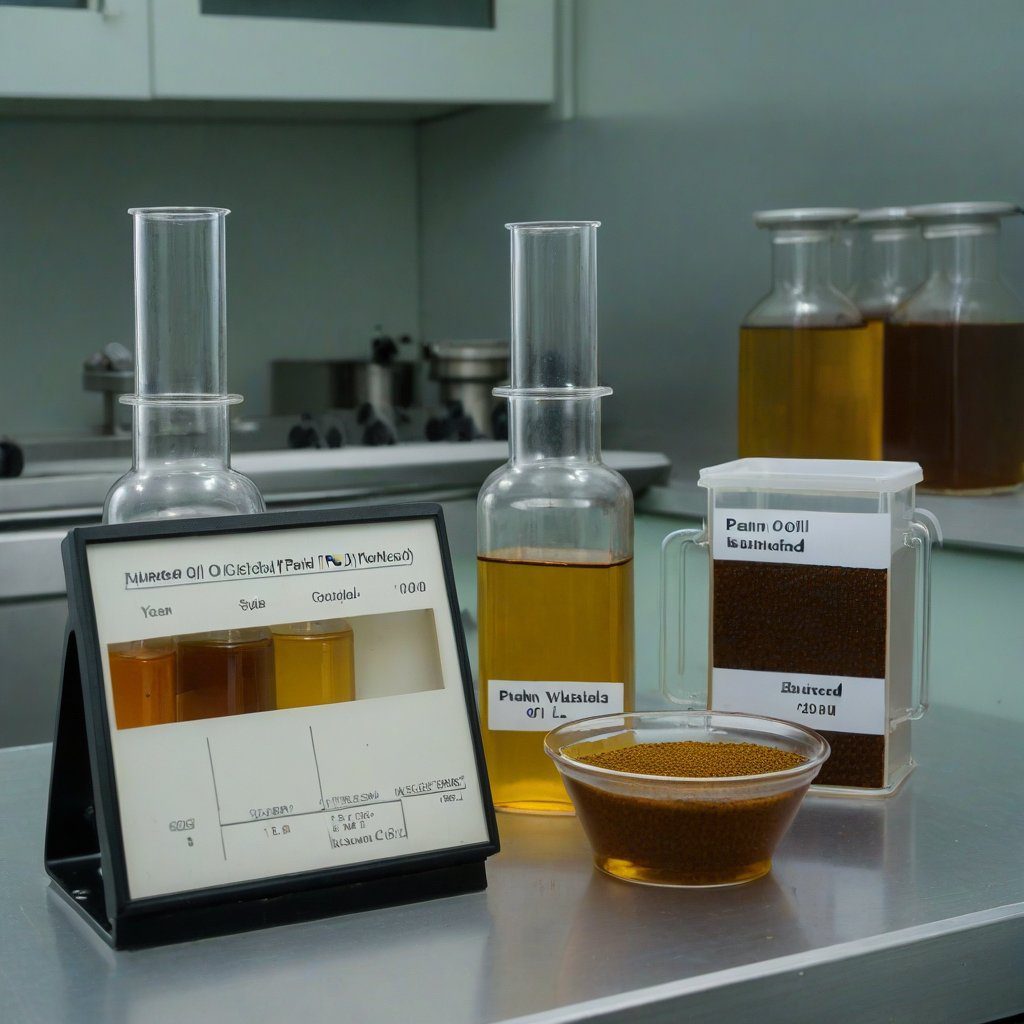
For production lines that rely on palm kernel oil to drive high-performance oleochemical outputs, quality is non-negotiable.
In practice, the difference between a smooth operation and costly rework often comes down to how rigorously you manage crude, bleached, and refined stages.
With more than two decades in the chemical and oleochemical space, Diplomata Comercial has built a practical, field-tested approach to quality that aligns with global standards and local realities.
This guide outlines a pragmatic Palm Kernel Oil Quality Checklist that you can implement across your production line to reduce variability, improve product consistency, and strengthen supplier collaboration.
Our experience spans multiple industries—from HPPC to pharmaceutical and animal nutrition—so you’ll find insights that translate to real-world challenges.
The goal is not merely to inspect inputs but to embed quality into every stage of the process workflow.
By applying this checklist, you’ll gain clearer visibility into where variability originates, how to control it, and how to sustain improvements over time.
The result is improved process stability, enhanced regulatory alignment, and a stronger value proposition when you engage suppliers and customers on quality and traceability.
Palm Kernel Oil Quality Checklist: An Overview of Crude, Bleached, and Refined Stages
Think of this overview as the roadmap for a holistic QA approach.
Each stage—crude, bleached, and refined—plays a distinct role in delivering a consistent end product.
The checklist focuses on five pillars: physical characteristics, chemical parameters, contaminants, process controls, and documentation.
Implementing these pillars helps ensure that every batch meets internal specifications and external requirements without slowing production down.
Scope of the Checklist
The checklist covers the three primary processing stages commonly found in modern palm kernel oil operations.
It emphasizes practical, auditable criteria that operators can monitor in real time and during routine quality reviews.
You will see emphasis on traceability, in-line testing, and process standardization as pillars that reduce the risk of deviations.
From a sourcing perspective, this guide helps you align supplier capabilities with plant expectations.
You’ll learn how to translate high-level quality goals into concrete, measurable tests and procedures that your team can own.
This alignment is essential for long-term partnerships and for building a robust supply chain that supports growth across regions and markets.
Why It Matters to Production Lines
Why adopt a structured quality checklist? Because it translates into fewer surprises downstream.
When crude oil enters the plant, you are setting a baseline for color, odor, and contaminant profiles.
Bleaching and refining then act as filters that shape stability, clarity, and functional performance in finished products.
A disciplined approach reduces downtime, minimizes waste, and supports consistent sensory and performance attributes across lots.
In practice, teams that adopt a standardized checklist report stronger alignment with GMP expectations and supplier qualification criteria.
The process becomes more predictable, enabling better forecasting, inventory control, and cost management.
At Diplomata Comercial, we’ve helped clients implement these frameworks across plants with varying scales and product requirements, delivering tangible improvements in reliability and collaboration with raw material suppliers.
How to Use This Guide
Use this guide as a living document.
Assign ownership for each section, schedule regular audits, and tie findings to corrective actions.
Treat it as a training resource for operators, QA staff, and procurement teams.
The practical aim is to create a shared language for quality and a consistent decision-making framework that travels from supplier to shelf.
Crude Palm Kernel Oil: Key Quality Parameters and How They Impact Your Process
Physical and Organoleptic Parameters
Crude palm kernel oil provides the baseline characteristics that downstream processing will refine.
The physical parameters—color, appearance, viscosity, and moisture content—set the stage for efficiency in bleaching and refining.
A consistent color and acceptable viscosity reduce energy use in subsequent steps and minimize the need for corrective adjustments later in the line.
Organoleptic cues, while less formal, are valuable early indicators.
Subtle odors and smooth texture can reveal trace contaminants or oxidation early in the chain.
Operators trained to notice these cues can flag issues before they propagate, preserving product quality and reducing scrap.
In practice, your team should monitor moisture content, acid value, and peroxide value as primary indicators of crude oil quality.
These metrics guide the exact extent of pretreatment and determine how aggressively you must manage downstream refining.
The goal is to start the process with a stable baseline that minimizes surprises and optimizes energy and chemical consumption in later stages.
Contaminants and Impurities
Crude feeds may carry impurities such as metal traces, phospholipids, free fatty acids, and pigments.
Each impurity has downstream consequences: metals can catalyze oxidation; phospholipids can affect color and mouthfeel in edible applications; free fatty acids drive acidity and corrosion risks; pigments influence color shades and filtration efficiency.
A practical approach is to implement pre-screening tests and select filtration strategies that reduce specific impurity loads before entering bleaching and refining.
Early impurity control can lower processing costs and improve final product consistency.
Our experience shows that aligning impurity targets with downstream treatment capabilities yields smoother operations and fewer process interruptions.
Process Implications
What you do with crude input shapes the entire processing trajectory.
If acidity is high, more neutralization may be required, which influences chemical usage and batch timelines.
If color bodies are abundant, bleaching demands more bleaching earth or adsorbents, affecting ash content and turbidity outcomes.
Each adjustment has downstream implications for refining performance, yield, and cost efficiency.
From a practical standpoint, establish a simple decision matrix that links crude quality indicators to pretreatment parameters.
This helps operators calibrate equipment settings quickly and consistently.
The matrix should be reviewed with QA and procurement during supplier qualification to ensure alignment across the supply chain.
Bleached Palm Kernel Oil: Color, Odor, and Stability Controls for Efficiency
Bleaching Process Fundamentals
Bleaching aims to remove pigments, metals, and soaps that influence color, odor, and stability.
The process relies on earth adsorbents and controlled temperature and contact time.
A well-managed bleaching step produces a neutral color and reduces odor intensity, which eases the burden on subsequent refining and improves oxidative stability.
Key controls include adsorbent selection, filtration speed, and residence time.
Optimizing these factors reduces bleaching consumption while delivering a stable intermediate ready for refining.
In practice, teams should track color codes (e.g., standard color index ranges) and odor intensity before moving to the next stage.
This yields more predictable downstream performance and better QA traceability.
Quality Metrics after Bleaching
Post-bleaching metrics are a critical gate to refine.
Expect to monitor reduced color intensity, improved clarity, and stable odor profiles.
You should verify that bleaching has not adversely affected antioxidant content or lipid stability.
A practical rule is to test color value, color tint, and turbidity as routine checks in every batch.
Operationally, ensure that bleaching residues are managed to minimize ash and silica carryover, which can complicate filtration and later purification steps.
Clean equipment and proper handling of spent adsorbents contribute to environmental compliance and cost efficiency, reinforcing a sustainable production approach that resonates with modern customer expectations.
Storage and Handling After Bleaching
Storage conditions after bleaching influence stability.
Maintain appropriate temperature, light exposure, and containment to minimize photooxidation and hydrolytic degradation.
Using stabilized storage blends and protective packaging can prolong shelf life and maintain product consistency for downstream usage.
Refined Palm Kernel Oil: Accuracy, Purity, and Compliance in Your Production Line
Refining Stages and Their Impact
Refining is where the oil attains stringent purity and stability that many applications demand.
The refining suite typically includes neutralization, deodorization, and deodorized-bleached distillate processes, with each step designed to remove trace impurities, odors, and color bodies while preserving valuable fatty acids.
The refining sequence should be tuned to the feed’s composition and the target product specs.
A well-calibrated refining train minimizes loss of valuable glycerides, preserves important fatty acid profiles, and achieves consistent smoke points and sensory properties—critical for food-grade, cosmetic, or industrial applications.
Analytical Benchmarks and Compliance
Reliable analysis underpins confidence in refined palm kernel oil.
Typical analytical focuses include free fatty acids, iodine value, saponification value, peroxide value, moisture content, and color indices.
Regulatory and customer specs often require trace metals, pesticide residues, and fatty acid distribution data.
Align your QA program to these benchmarks with routine laboratory checks, vendor audits, and calibration protocols.
Beyond chemistry, ensure documentation supports regulatory readiness.Lot traceability, batch records, and certificate of analysis should accompany every shipment.
This traceability is essential for recalls, audits, and long-term customer trust—and it’s a strategic differentiator in competitive markets.
Regulatory and Certification Considerations
Regulatory frameworks and certifications shape refining practices across regions.
Depending on your target markets, you may align with GMP, HACCP, ISO 9001, or sector-specific standards for edible, pharmaceutical, or cosmetic inputs.
Diplomata Comercial emphasizes partners who prioritize certification readiness, continuous improvement, and transparent supply chains.
This alignment supports your ability to scale responsibly and meet evolving customer expectations.
When selecting a refining partner or a refining line, prioritize equipment compatibility with your process goals, compatibility with downstream usage, and a clear plan for ongoing quality validation.
The result is a refined product that performs consistently across batches and applications.
Quality Assurance Workflows: In-Line Testing, Documentation, and Traceability
In-Line Testing Techniques
In-line testing accelerates decision-making and reduces batch waste.
Techniques include rapid color assessment, viscosity checks, and basic chemical tests that can be performed on the production floor.
Integrating inline sensors and periodic spot checks helps identify drifts before they impact quality.
Equip your lines with standardized test methods so operators have a clear protocol to follow.
When possible, automate data capture and integrate results into a centralized QA platform.
This creates a live picture of product quality across shifts and facilities.
Electronic Documentation and Records
Accurate documentation is the backbone of audit readiness and supplier confidence.
Maintain electronic batch records, calibration logs, maintenance schedules, and QA sign-offs that are easily retrievable.
A well-structured documentation system reduces search times during audits and streamlines product release decisions.
Adopt standardized formats for certificates of analysis and supplier declarations.
Clear, consistent documentation supports regulatory compliance and helps you communicate quality status with customers and distributors with confidence.
Traceability and Recalls Readiness
Traceability is more than a regulatory checkbox; it’s a strategic capability.
Implement lot-level traceability from raw material receipt through refining and final packaging.
Maintain a robust recall plan, with clear roles, communication channels, and predefined action thresholds.
This readiness protects brand integrity and minimizes business disruption if a quality issue arises.
In our practice, clients who invest in end-to-end traceability experience smoother supplier negotiations and faster issue resolution.
It also enhances your ability to demonstrate responsible sourcing and consistent product quality to downstream customers and regulators alike.
Sourcing and Supply Chain Considerations: Ensuring Consistent Supply for Palm Kernel Raw Materials
Building a dependable supply chain for palm kernel oil requires a blend of supplier qualification, risk management, and proactive planning.
A structured approach helps you navigate seasonal fluctuations, geopolitical dynamics, and logistics constraints without compromising quality or delivery timelines.
Supplier Qualification and Audits
Qualification begins with a rigorous evaluation of a supplier’s quality systems, certifications, and operational controls.
We recommend a combination of document reviews, site visits, and on-site testing of incoming materials.
The goal is to validate that a supplier can consistently meet your specifications for crude, bleached, and refined inputs.
Audits are best when they are collaborative rather than confrontational.
Use them as opportunities to align process methods, share best practices, and establish a shared improvement plan.
A well-executed supplier program reduces variability and strengthens reliability across the supply chain.
Inventory and Lead Time Management
Strategic inventory and smart lead time management prevent production stoppages.
Work with suppliers to establish safety stock levels, reorder points, and contingency plans for unusual demand or supply disruptions.
A just-in-time framework can be beneficial, but only if reliability and quality are assured at the source.
Consider dual-sourcing options for critical grades or stages, along with clear escalation paths for shortages.
Transparent communication, coupled with robust forecasting, keeps production flowing and helps you negotiate better terms with suppliers based on demonstrated reliability.
Sustainability and Ethics
Sustainability considerations influence sourcing decisions and stakeholder perception.
Evaluate suppliers for environmental stewardship, responsible sourcing programs, and social impact standards.
Transparent reporting on traceability and certifications strengthens trust with customers who value responsible supply chains.
Diplomata Comercial emphasizes partnerships that combine quality, scale, and responsible practices.
Our network is built to support global demand while maintaining strong ethical and environmental standards, aligning with both industry norms and emerging regulatory expectations.
As part of your procurement strategy, ensure that supplier data—including background on bleaching and refining practices, testing capabilities, and QA maturity—are readily accessible.
This visibility helps you maintain confidence in supply and maintain a consistent standard for quality across your production line.
Implementation Roadmap: 90-Day Plan to Integrate The Quality Checklist
Adopting the Palm Kernel Oil Quality Checklist is most effective when approached as a phased program.
Use this 90-day plan to move from understanding to action, with measurable milestones and practical enablement for your teams.
Phase 1: Assessment
Within the first two weeks, conduct an internal quality gap assessment.
Map current procedures for crude, bleached, and refined stages against the checklist.
Identify critical control points, test methods, and data capture gaps.
Create a short-list of improvements in collaboration with QA, operations, and procurement.
Prioritize actions that reduce variability, improve traceability, and streamline documentation.
This phase sets the foundation for a successful rollout.
Phase 2: Pilot Testing
Run a pilot in one production line or with a single supplier batch.
Implement standardized test methods, inline checks, and documentation templates.
Monitor performance against predefined targets for color, acidity, peroxide value, and odor after each stage.
Collect feedback from operators and QA on protocol clarity, data accessibility, and reaction times for corrective actions.
Use insights to refine procedures, adjust equipment settings, and strengthen supplier communication channels before scaling up.
Phase 3: Full-Scale Rollout
Scale the improved protocols across all lines and suppliers.
Establish formal change control processes, routine audits, and ongoing training programs.
Ensure that the QA platform is updated with new templates, dashboards, and reporting capabilities that support decision-making at a glance.
Integrate the 90-day plan into your annual quality program.
Include regular reviews with senior management and key customers to demonstrate ongoing commitment to quality, reliability, and responsible sourcing.
The payoff is a more resilient operation capable of meeting demanding specifications and expanding market reach.
Próximos Passos Estratégicos
In summary, implementing a rigorous Palm Kernel Oil Quality Checklist across crude, bleached, and refined stages yields tangible benefits: tighter process control, clearer supplier alignment, and stronger compliance readiness.
By embedding in-line testing, robust documentation, and end-to-end traceability, your organization gains the confidence of customers who demand consistent performance and ethical sourcing.
Diplomata Comercial stands ready to support you with a global network of reliable supply partners, rigorous QA programs, and a practical, field-tested approach to palm kernel oil quality.
If you’re looking to stabilize production, optimize costs, and accelerate growth, reach out to our team to discuss how we tailor the checklist to your plant, product specs, and regional regulatory environment.
Strong partnerships, proven processes, and a clear path to scalable quality—that’s how we help you win in the market.
Perguntas Frequentes
O que é o Palm Kernel Oil Quality Checklist e por que é importante para linhas de produção?
O Palm Kernel Oil Quality Checklist é uma estrutura prática para gerenciar a qualidade do PKO ao longo das etapas crude, bleached e refined. Ele ajuda a reduzir variabilidade entre lotes, minimizar retrabalhos dispendiosos e fortalecer a colaboração com fornecedores. Além disso, alinha o processo com padrões globais e realidades locais, promovendo rastreabilidade e consistência.
Quais áreas de qualidade devem ser monitoradas nos estágios crude, bleached e refined do PKO?
As áreas-chave incluem características físicas (cor, odor, viscosidade), parâmetros químicos (FFA, valor de iodo, índice de peróxido), contaminantes, controles de processo e documentação. A avaliação em cada estágio ajuda a manter a consistência do produto final e facilita a identificação de desvios precoces.
Quais parâmetros químicos são críticos e como são medidos no PKO?
Parâmetros como acidez livre (FFA), valor de iodo, índice de peróxido, teor de água e impurezas são cruciais para a qualidade. A medição envolve métodos de laboratório padronizados e, quando possível, monitoramento inline para ações rápidas e decisões operacionais.
Quais contaminantes são relevantes no PKO e como controlá-los?
Contaminantes como traços de metais, impurezas inorgânicas, resíduos do processamento e água podem impactar desempenho. O controle ocorre por meio de amostragem em pontos críticos, inspeção de matérias-primas, boa prática de processamento, filtragem adequada e limpeza de equipamentos.
Como o checklist ajuda no controle de processo e na conformidade regulatória?
Ao padronizar parâmetros de processo (temperatura, tempo, dosagem de bleaching earth, condições de filtragem), o checklist reduz variação e facilita a demonstração de conformidade. Ele também facilita auditorias, rastreabilidade e alinhamento com requisitos regulatórios locais e globais.
Quais práticas de documentação e rastreabilidade são recomendadas?
Mantenha registros de especificações, certificados de fornecedores, resultados de testes de qualidade, logs de desvios e de limpeza. A rastreabilidade eficiente facilita recalls, auditorias e comunicação com clientes sobre qualidade e origem do PKO.
Como engajar fornecedores para melhoria da qualidade do PKO?
Defina expectativas claras de qualidade, utilize acordos de desempenho e cartões de gestão de qualidade, realize auditorias e compartilhe dados de qualidade com os fornecedores. A cooperação estreita reduz não conformidades e melhora a consistência entre suprimento e produção.
Quais são dicas práticas para implementar o Palm Kernel Oil Quality Checklist na linha de produção?
Comece com um piloto em um estágio crítico, identifique pontos de controle críticos e treine a equipe operacional. Integre o checklist aos procedimentos operacionais padrão e utilize dados coletados para ações corretivas contínuas e melhoria de processos.