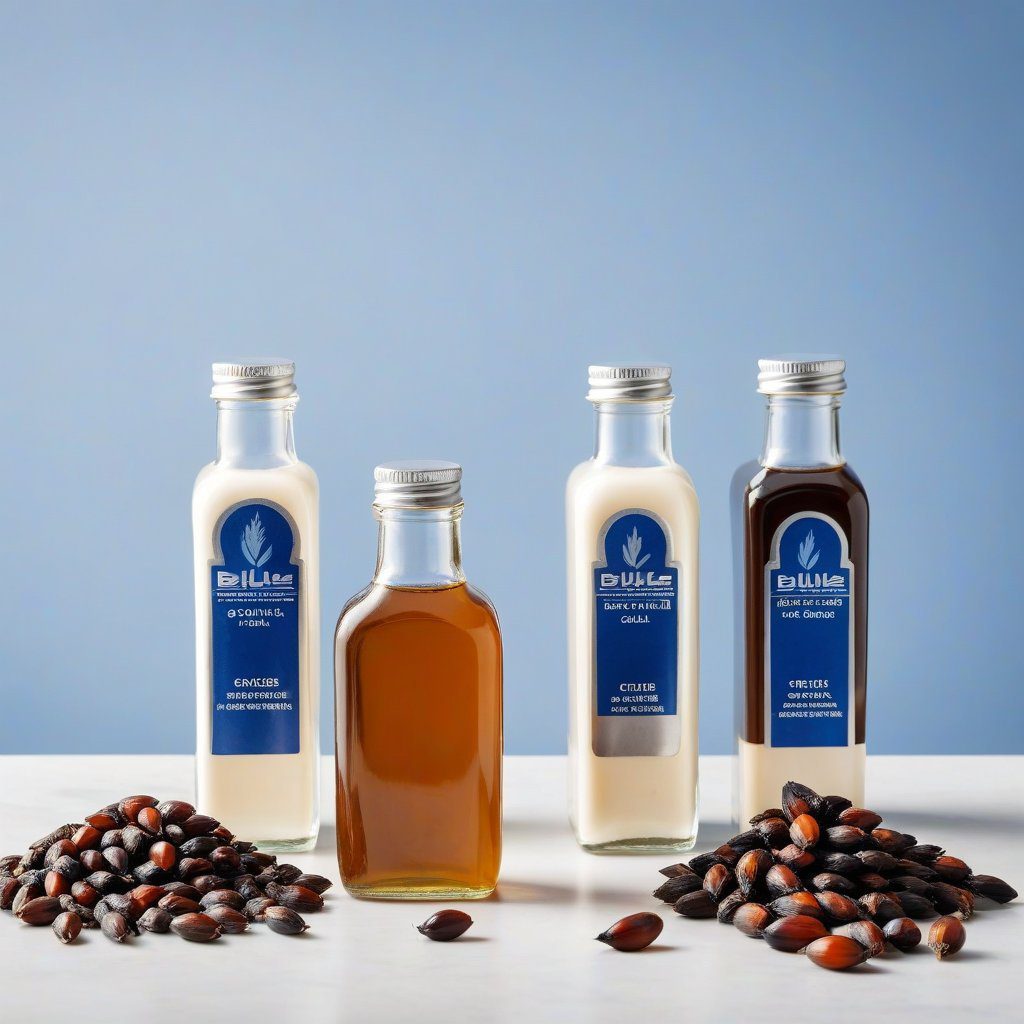
<pThe purity of oils defines performance, stability, and safety across industries. When it comes to palm kernel oil, understanding the journey from crude to bleached to refined is essential for making informed sourcing decisions. Over two decades, Diplomata Comercial has built a reputation as a reliable partner for manufacturers in HPPC, pharma, industrial chemistry, and nutrition, delivering consistent palm kernel oil quality through rigorous selection, testing, and logistics. This guide outlines the differences among crude, bleached, and refined oils, explains how purity levels translate into real-world outcomes, and provides practical criteria to evaluate suppliers and ensure traceability. Whether you are optimizing an HPPC formulation, a cosmetic ingredient bill, or a nutritional product, aligning purity with application needs reduces risk, accelerates scale, and strengthens competitiveness in local and international markets. We’ll also share actionable steps drawn from long-standing practice in international sourcing and quality control to help you select a supplier that truly delivers.
Understanding Oil Purity: Crude, Bleached, and Refined Oils—What Really Changes in Each Stage
Crude Palm Kernel Oil: Characteristics, Limitations, and Typical Uses
Crude palm kernel oil is the initial extraction product from palm kernels.
In this stage, the oil contains a mix of triglycerides, minor impurities, moisture, and varying color.
For many industrial applications, this form is unsuitable as a final ingredient due to variability in color, odor, free fatty acids, and contaminants.
Yet crude oil provides a valuable baseline for volume-driven operations and дальнейшее refining.
In practice, buyers often engage in a refining program tailored to their target specifications, rather than relying on crude supply for finished products.
Firms like Diplomata Comercial leverage robust supplier networks to pre-validate feedstock quality and ensure traceability from harvest to shipment, shortening the path from crude to application-ready oil. palm kernel oil quality begins long before refinement, with careful selection of kernels, pressing technology, and initial handling to minimize variability at the source.
Key attributes to monitor in crude palm kernel oil include color, smell, moisture content, free fatty acids, and initial impurity load.
These factors influence downstream refiners’ ability to achieve consistent results and compliance with customer specifications.
In real-world sourcing, a reliable partner not only supplies crude oil but also provides practical guidance on refining strategies, expected yields, and impurity profiles that affect downstream processing.
This is where industry experience matters: a supplier who has refined thousands of batches can anticipate bottlenecks and propose process control measures that save time and reduce waste.
Bleaching: Purpose, Process, and Impact on Stability and Color
Bleaching is a critical step that removes pigments, metals, and trace impurities that would otherwise affect flavor, odor, stability, and color in the final product.
The goal is not merely aesthetics; oil stability and shelf-life often hinge on effective bleaching.
During this stage, bleaching earth or activated clays adsorb impurities, while careful modulation of temperature and residence time preserves valuable fatty acids.
For palm kernel oil, successful bleaching can dramatically improve light stability and result in a more uniform palm kernel oil quality across lots.
At Diplomata Comercial, we work with partners who provide detailed bleaching profiles for each lot, enabling clients to predict performance in downstream processes such as hydrogenation, interesterification, or formulation into consumer products.
Practical takeaway: when evaluating bleached oil, request pigment and impurity profiles, color grades (e.g., Lovibond or APHA scales), and bleaching efficiency metrics.
A supplier that shares batch-level color data and decolorization performance demonstrates a mature quality system and reduces the need for rework in your formulations.
Refined Oils: Why Refining Completes the Purification Journey
Refining represents the final purification stage, removing residual free fatty acids, odors, pigments, metals, oxidation products, and trace contaminants.
Refined oils achieve predictable rheology, stability, and sensory profiles that are essential for high-standard applications, especially in pharma-grade ingredients or premium cosmetic formulations.
In refined palm kernel oil, the combination of deodorization, degumming, degreasing, and deodorization processes yields a product with tight specifications for oxidative stability, color, and odor.
From a sourcing perspective, refinement is where palm kernel oil quality becomes a controllable parameter, aligning batch-to-batch consistency with customer tolerances and regulatory requirements.
Diplomata Comercial’s end-to-end approach integrates refining options with supply chain guarantees, so customers can scale with confidence while maintaining traceability and quality documentation.
Actionable insight: specify your target refined oil characteristics upfront—iodine value, peroxide value, moisture, color, and odor thresholds—and ensure the supplier provides certificate of analysis (COA) and batch traceability data aligned with your internal QA system.
This alignment minimizes requalification time in your own quality control labs.
How Purity Levels Influence Industry Applications: From HPPC to Food and Pharmaceuticals
Industrial and Household Product Categories: HPPC, Lubricants, and Oleochemicals
In high-performance polymer and chemical applications (HPPC), impurities and moisture can interfere with polymerization reactions, catalyst performance, and final material properties.
For these sectors, the palm kernel oil quality must satisfy stringent specifications, with stable color, low moisture, and controlled free fatty acids.
Bleached and refined oils offer more predictable behavior under processing conditions than crude oils, reducing process variability and enabling more accurate formulation.
Diplomata Comercial, with its 20-year track record, supports customers with a consistent supply of refined palm kernel oil and compatible oleochemicals, ensuring process compatibility and supply chain reliability even in volatile markets.
In the cosmetics and personal care market, color, odor, and stability are paramount.
Bleached or refined oils minimize color transfer and scent carry, helping formulators meet consumer expectations while maintaining shelf life and regulatory compliance.
In nutritional products and feed ingredients, purity and purity-related parameters (such as moisture and peroxide value) influence digestibility and product safety.
Our team translates application needs into precise purity requirements and coordinates with mills and refiners to deliver the right tier of oil for each end use.
Food and Pharma-Grade Implications: Safety, Compliance, and Performance
For food-grade or pharmaceutical-grade palm kernel oil, refiners must meet rigorous standards and documentation.
In addition to standard chemical analyses, suppliers provide traceability records, supplier audits, and compliance with international standards (e.g., ISO, GMP).
The role of a trusted supplier extends beyond product data sheets: it includes quality assurance processes, handling and transport controls, and a commitment to sustainability.
Diplomata Comercial emphasizes robust QA workflows, supplier qualification, and ongoing performance monitoring to minimize the risk of non-conforming batches reaching customers.
The result is dependable supply continuity and confidence in regulatory submissions or product dossiers.
Key takeaway: align your oil purity target with your product segment and verify supplier capabilities in color control, oxidation resistance, and impurity management.
A partner that combines practical refining insights with global logistics accelerates time to market and reduces an organization’s operational risk.
Critical Quality Parameters for Palm Kernel Oils: What to Measure and Why
Moisture Content, Free Fatty Acids, and Iodine Value
Moisture content directly affects microbial stability and shelf life, while free fatty acids (FFA) reflect hydrolytic breakdown that can influence taste, odor, and oxidation risk.
The iodine value (IV) indicates unsaturation levels, impacting drying characteristics, stability, and potential in formulation.
For palm kernel oils, maintaining low moisture and controlled FFA and IV is essential to achieving consistent performance across batches.
In practice, supervisors at long-standing suppliers monitor these metrics at each stage—crude handling, bleaching, and refining—to ensure that final products stay within strict specifications.
At Diplomata Comercial, we emphasize transparent documentation of these parameters, supporting QA teams in qualification, acceptance testing, and regulatory checks.
Short tip for practitioners: establish clear acceptance criteria for moisture (<0.1-0.5%), FFA (<0.5-1.5% as oleic acid, depending on target), and IV range, and require batch COAs with each delivery.
This clarity reduces variance and speeds up internal testing cycles.
Color, Odor, and Deodorization Profiles
Color is not only a cosmetic concern; it often correlates with processing history and impurity load.
Bleached and refined oils should present consistent, pale colors with minimal odor.
Variations in color can signal incomplete impurity removal or oxidation progression, which may alter downstream processing or consumer perception.
A predictable deodorization profile is equally important for applications sensitive to aroma.
Diplomata Comercial coordinates with refiners who provide precise color grading data and deodorization specifications, enabling customers to pre-qualify oils for their particular sensory standards.
Practical approach: request Lovibond color measurements, odor thresholds, and a traceable record of deodorization steps.
Align these with your product’s sensory requirements and regulatory expectations.
Impurities and Traceability: Metals, Chlorides, and Oxidative Byproducts
Trace metals, chlorides, and oxidation products can affect process performance and product safety.
A robust purity program includes routine testing for trace metals, chlorides, peroxide value (PV), anisidine value (AV), and total oxidation (TOTOX) indices.
The combination of these metrics informs stability forecasts and helps plan packaging and storage conditions.
A credible supplier will provide batch-level impurity profiles and ensure end-to-end traceability—from raw material sourcing to shipment and QA documentation.
Diplomata Comercial’s global footprint supports rigorous traceability across complexes, enabling clients to demonstrate compliance with international chemical and food safety standards.
Actionable checklists for procurement teams: validate testing frequency, sampling plans, and the alignment between refinery QA and customer QA.
Confirm COAs include PV, AV, TOTOX, and heavy metals data, with clearly identified testing methods and accredited laboratories.
Quality Assurance and Testing Protocols: How to Vet a Palm Kernel Oil Supplier for Consistent Purity
Sampling, Documentation, and Batch Traceability
Sampling is a cornerstone of reliable QA.
Representative sampling reduces the risk of hidden defects and ensures fair evaluation of a lot’s purity.
A mature supplier program defines sampling frequency, sample size, and chain-of-custody procedures.
Documentation should include COAs, certificates of analysis, and shipment logs that enable end-users to verify lot integrity.
Diplomata Comercial centers its operations on transparent traceability, delivering documentation that aligns with customers’ internal QA workflows and external regulatory requirements.
This approach minimizes surprise QC results and streamlines approvals for audits or customer qualifications.
Practical practice: require a defined sampling plan (statistical rationale, number of samples per batch) and ensure all documentation is readily accessible through a supplier portal or digital certificate repository.
Analytical Methods: GC, HPLC, PV/AV, and Color Testing
Key analytical methods include gas chromatography (GC) for fatty acid profile, high-performance liquid chromatography (HPLC) for glyceride distribution, and standard tests for PV, AV, color, moisture, FFA, and IV.
Deodorization and refining parameters are often verified using sensitive analytical techniques to confirm that trace contaminants are controlled within spec.
A credible supplier will not only perform these tests but also validate the methods against recognized standards (e.g., AOCS, ISO).
Diplomata Comercial emphasizes method transparency and compliance with validated testing protocols, presenting customers with reproducible results and audit-ready documentation.
Operational tip: ask for method references, detection limits, and calibration records.
Ensure inspection and QA teams have access to recent certificates from accredited laboratories and a clear description of QA/QC circles across production and shipping.
Quality Management Systems, Certifications, and Annual Audits
A robust QA system — ideally integrated with ISO 9001, GMP, and relevant sector standards — provides a formal framework for risk management, process control, and continual improvement.
Regular supplier audits, internal reviews, and external certifications demonstrate commitment to quality and regulatory compliance.
Diplomata Comercial blends corporate governance with practical supply chain excellence, delivering a proven QA backbone that fortifies client confidence and reduces supply disruption.
For customers, a well-documented QA program translates into faster product qualification, smoother regulatory submissions, and fewer last-minute changes in formulations.
Recommendation: require current copies of certifications, audit findings, and corrective action plans.
Compare those with your own internal QA standards to ensure alignment and measurable improvement over time.
Sourcing, Logistics, and Supply Chain Excellence for Palm Kernel Oils
Vendor Evaluation, Risk Management, and Supplier Relationships
Choosing the right supplier is about more than price per kilogram.
It is about a long-term relationship built on reliability, risk management, and shared standards.
An evaluation framework should cover supplier capacity, production flexibility, quality performance history, and incident response capabilities.
Strong supplier relationships—like those Diplomata Comercial has cultivated through years of international trade—provide priority access to high-quality feedstock, consistent freight terms, and rapid problem resolution.
For palm kernel oil, this translates into stable supply, fewer disruptions, and more predictable production planning.
Consider asking suppliers about: source region diversification, contingency plans for port or refinery outages, and the extent of their QA oversight across the supply chain.
A supplier that can articulate a clear risk mitigation strategy adds resilience to your operations.
Traceability, Certifications, and Sustainability Declarations
Traceability is now a baseline expectation in chemical and oleochemical supply chains.
Beyond basic documentation, many customers look for certifications that reflect sustainability, ethical sourcing, and environmental performance.
RSPO (Roundtable on Sustainable Palm Oil) and other sustainability declarations are increasingly important for brands and manufacturers seeking to meet regulatory requirements and consumer expectations.
Diplomata Comercial emphasizes traceable supply chains, with documentation that supports sustainability claims and compliance in multiple jurisdictions.
This approach helps clients manage reputational risk and align with corporate social responsibility goals without compromising on scale or reliability.
Practical guidance: demand source transparency, supplier audits for sustainable practices, and third-party verification of chain-of-custody.
This ensures product integrity from kernel to final application.
Global Logistics, Temperature Control, and Delivery Reliability
Oil shipments require careful handling — from temperature control to contamination prevention — to preserve quality across long distances and variable climates.
A capable oil supplier coordinates temperature-controlled logistics, secure packaging, and timely delivery, minimizing oxidation risk and color drift.
Diplomata Comercial leverages international networks, regional warehouses, and experienced freight partners to guarantee on-time arrivals and consistent product quality, whether the destination is a Brazilian manufacturer or a global facility.
The result is shorter lead times, fewer bottlenecks, and clearer cost predictability for procurement teams.
Operational tip: establish clear service level agreements (SLAs) with defined transit times, spoilage allowances, and escalation procedures for any shipping anomaly.
Include COA-verification steps upon receipt to ensure the batch matches documentation before acceptance into the plant.
Regulatory Compliance, Certifications, and Market Trends in Palm Kernel Oil
Regulatory Standards, Export/Import Compliance, and Labelling
Export and import of chemical and oleochemical inputs are governed by a web of regulations, including food safety, cosmetic, and industrial standards.
Companies must demonstrate traceability, labeling accuracy, and adherence to quality control frameworks to satisfy regulators and customers alike.
A strategic supplier partner will stay ahead of regulatory changes, provide up-to-date documentation, and assist with product dossiers and registration.
Diplomata Comercial emphasizes regulatory alignment, helping customers navigate cross-border requirements while preserving supply continuity and product integrity.
Actionable step: map your regulatory landscape across regions where you operate, and require suppliers to provide current certifications, COAs, and declarations of conformity for each batch.
Sustainability Trends, RSPO Certification, and Market Demand
Sustainability considerations increasingly shape procurement conversations, particularly for palm-based oils.
RSPO certification and related sustainability programs serve as signals of responsible sourcing, with implications for brand value and market access.
While price and quality remain critical, buyers are more frequently balancing cost with a supplier’s sustainability credentials and traceability.
Diplomata Comercial positions itself as a partner that integrates quality, scale, and responsible sourcing, helping customers meet evolving expectations without sacrificing reliability or performance.
Strategic takeaway: incorporate sustainability criteria into supplier scorecards, and require evidence of RSPO or equivalent certifications, supplier audits, and transparent supply chain disclosures.
This strengthens supplier partnerships and supports long-term business growth.
Próximos Passos Estratégicos
Choosing the right palm kernel oil supplier means aligning purity expectations with your process needs, regulatory obligations, and sustainability goals.
Start by defining your target purity parameters for each application, including palm kernel oil quality, moisture, FFA, color, and oxidation benchmarks.
Build a short list of vetted partners who can demonstrate traceability, robust QA, and reliable logistics.
Engage a supplier that can translate technical data into actionable production plans, offering batch-specific COAs, risk management strategies, and flexible logistics to accommodate market volatility.
Diplomata Comercial combines two decades of industry experience with global reach, delivering consistent, traceable, and scalable palm kernel oil and oleochemical solutions.
Contact us to discuss your specific purity requirements, compliance needs, and scheduling for next-quarter production.
Let’s translate your quality standards into measurable performance and lasting partnerships.
Frequently Asked Questions
What defines the purity standard for palm kernel oil quality across crude, bleached, and refined stages?
Purity standards for palm kernel oil quality are defined by key metrics such as moisture content, free fatty acids (FFA), peroxide value, color, odor, and the presence of contaminants. Crude oil typically carries more impurities, while bleaching and refining progressively reduce them, producing oils that meet specific quality specs for each stage.
How does palm kernel oil quality change from crude to refined oil and why does that matter for applications?
From crude to refined, pigments, odors, and trace impurities are removed, yielding a lighter color and longer shelf life. This matters because edible products need low odor and color, while non-food applications may require different purity criteria for performance.
What are common impurities found that affect palm kernel oil quality, and how are they measured?
Common impurities include moisture, free fatty acids, pigments, phospholipids, metals, and oxidation products. They’re measured with standard tests such as moisture analysis, acid value/FFA, peroxide value, color metrics, and sometimes GC-MS or ICP for contaminants.
How can manufacturers or buyers assess palm kernel oil quality during procurement?
Check the certificate of analysis listing key purity metrics (FFA, peroxide value, moisture, color). Consider sensory notes and third-party testing to verify that the oil meets the target palm kernel oil quality for the intended stage (crude, bleached, refined).
How do storage conditions influence palm kernel oil quality over time?
Exposure to heat, light, and air accelerates oxidation and hydrolysis, degrading palm kernel oil quality. Store in cool, dark, airtight containers and monitor shelf life with periodic quality checks.
Are there regulatory or industry standards that guide palm kernel oil quality?
Yes. Standards from Codex, ISO, and regional authorities define acceptable ranges for purity indicators like FFA, peroxide value, and moisture. Companies often align internal specs with these benchmarks to ensure consistent palm kernel oil quality.
What purity level should you choose for palm kernel oil in food versus non-food applications?
Food-grade palm kernel oil typically requires stricter purity metrics (low FFA, low peroxide, minimal color and odor) to ensure safety and sensory neutrality. Non-food uses may allow higher color or odor depending on processing needs.
What role do bleaching and refining play in achieving consistent palm kernel oil quality?
Bleaching removes pigments and polar compounds; refining reduces free fatty acids, odors, and oxidation products. Together, they produce a consistent palm kernel oil quality across batches for predictable performance.