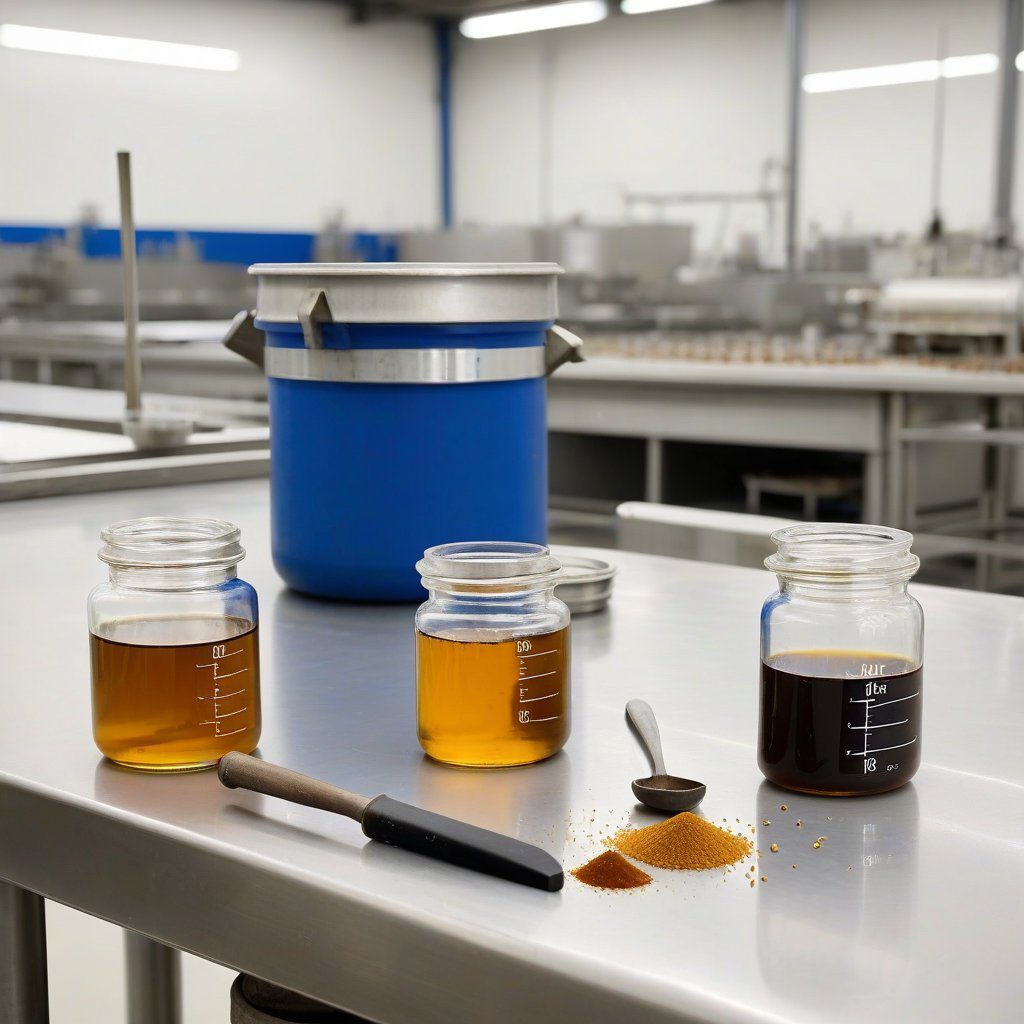
In today’s chemical and oleochemical supply ecosystem, evaluating palm kernel oil across its crude, bleached, and refined forms requires more than a price check.
It demands a structured approach that aligns purity, stability, and traceability with your end-use requirements.
This guide distills eight concrete criteria that help a business compare options, reduce risk, and select a partner capable of delivering consistent quality at scale.
Our team, backed by two decades of market presence, has honed practical methodologies that translate into reliable performance for industries ranging from HPPC to nutrition and animal feed.
If you’re searching for a dependable palm kernel oil supplier, you’ll find in-depth, actionable insights that translate into real-world procurement decisions.
Across the palm kernel oil value chain, precision matters.
We’ve seen how differences in processing — from crude extraction through bleaching to full refining — ripple through a product’s behavior in formulations, shelf-life, and regulatory compliance.
This guide presents eight criteria you can use as a decision framework, with practical tests, benchmarks, and supplier considerations that reflect current industry practices and international expectations.
Each criterion highlights how quality assurance, traceability, and certifications become risk mitigators rather than afterthoughts.
And because supply resilience is a competitive advantage, we also cover how to evaluate a supplier’s ability to maintain supply continuity under volatile conditions.
Our perspective integrates real-world experience from complex supply chains.
We emphasize not just what to test, but how to test efficiently in a B2B purchasing context.
For product developers and procurement leaders, that means clear indicators, practical testing protocols, and decision-ready criteria that fit your internal approval workflows.
For buyers, the goal is a transparent supplier relationship where data supports decisions and guarantees translate into cost stability and quality preservation across batches.
Throughout this guide, you’ll encounter terminology and measurements common to the palm kernel oil and oleochemical sectors.
If your team needs a quick glossary, you’ll find concise explanations embedded in the sections.
The emphasis remains on actionable insight, not academic detail, so you can move from evaluation to agreement with confidence.
And for organizations building a global sourcing program, the emphasis on traceability and certifications will help you align with international standards and customer expectations.
We’ll begin with the first criterion, which anchors the discussion in purity and impurity profiles that differ across crude, bleached, and refined oil.
This foundation informs downstream decisions, from formulation performance to regulatory compliance and sustainability reporting.
1) Purity and Impurity Profile Across Palm Kernel Oil Grades
Purity isn’t a single number; it’s a composite profile that includes moisture, free fatty acids, pigments, metals, and residual solvents.
For a palm kernel oil supplier, understanding how these impurities shift through crude, bleaching, and refining is essential to match product specifications with your application.
The crude oil often carries higher moisture and pigment content, while the refining sequence targets color removal, odor neutrality, and stabilization of the oil’s chemical integrity.
Two practical indicators help frame purity across grades: delta in impurity load and stability under storage.
In practice, you’ll compare batches on moisture percentage, acid value, peroxide value, and pigment indices.
A well-designed QA program tracks these across production lots, then links results to the final grade you’re purchasing.
This is where the value of a trustworthy supplier becomes evident: robust testing, traceable records, and consistent outcomes even when supply dynamics shift.
Raw material sourcing and process controls shape the purity story from the start.
A reliable partner ensures that the palm kernels arrive with known origins, and that extraction methods preserve oil integrity while minimizing contaminants.
On the refining side, attention to bleaching agents, adsorption media, and filtration steps reduces color bodies and pigment-related impurities without compromising valuable fatty acids.
For end users, the purity profile translates into several practical outcomes.
First, the oil’s color and odor become more predictable, reducing formulation adjustments at the time of production.
Second, the impurity balance influences shelf-life and oxidative stability, which matters for both food-grade and industrial applications.
Third, regulatory compliance depends on consistent impurity thresholds across batches and clear documentation.
In our operational playbooks, we emphasize three aspects that separate a dependable palm kernel oil supplier from a transactional vendor.
First, rigorous lot-level testing that covers moisture, FFA, peroxide, and color indices.
Second, a clear impurity specification that aligns with your product code and regulatory needs.
Third, end-to-end traceability that connects kernel origin to finished oil, enabling quick audits and efficient incident response.
Key purity indicators to monitor
Moisture content and desiccation status
Acid value and ester balance
Pigment concentration and color index (Lovibond or ASTM-based)
Trace metal residues and residual solvents
Bulk density and sediment content
- Low moisture reduces hydrolytic degradation during storage and processing.
- Stable acid values support predictable behavior in hydrogenation and esterification steps.
- Color consistency is critical for consumer-facing products and cosmetic formulations.
- Metal residues must meet international limits to avoid catalytic degradation during processing.
Testing approach for purity in practice
Utilize a combination of official assay reporting and in-house QC checks.
For crude oil, prioritize moisture, FFA, pigment content, and peroxide value.
For bleached and refined oils, focus on residual pigment, odor, and any solvent traces, alongside continued monitoring of FFA and peroxide values.
Many manufacturers employ parallel testing streams—one aligned with international pharmacopeias or Codex standards and another tailored to your internal QC thresholds.
In a typical supply arrangement, you’ll request batch certificates of analysis (COA) that include exact values for moisture, FFA, peroxide, color index, and contaminants.
You’ll also want documentation detailing the refining steps and bleaching media used, which impacts impurity removal efficiency and potential trace residues.
Operational takeaway: demand a purity blueprint that maps each grade to your intended use, with explicit impurity specifications and consistent lot-level documentation.
This minimizes rework downstream and supports compliance with customer specifications and regulatory audits.
2) Color and Bleaching Performance: From Crude to Refined Palm Kernel Oil
Color is more than aesthetics; it signals processing history, pigment content, and potential impact on downstream products.
Bleaching and refining are the two stages that most dramatically alter appearance and odor.
For manufacturers, predictable color profiles across batches reduce formulation adjustments and improve product consistency.
A well-executed bleaching strategy also helps stabilize the oil against photo-oxidative degradation, extending shelf life in demanding industrial applications.
The journey from crude to refined palm kernel oil involves carefully controlled decolorization and adsorption steps.
Bleaching clays or activated carbon remove pigments and trace impurities, while refining removes free fatty acids and other oxidation-prone compounds.
The result is a reliable light color across production lots, which is especially important for fats and oils used in cosmetics, confectionery, and nutrition-related products.
From a procurement perspective, color consistency is a tangible differentiator.
It reduces the need for additional color adjustments in downstream formulations and helps maintain brand uniformity for customers who rely on precise color specs.
Suppliers who can demonstrate stable color indices across seasons and production lines provide a higher level of confidence for long-term contracts.
Color performance also intersects with environmental and safety considerations.
The bleaching step uses adsorbents that capture impurities without introducing hazardous residues.
Reputable suppliers document the media types, contact times, and regeneration or disposal practices, which supports regulatory compliance and sustainability goals.
In practice, color and bleaching performance should be evaluated through a structured suite of tests.
This includes color index measurements at multiple wavelengths, cloud point evaluations for clarity, and sensory checks for off-odors.
Additionally, it’s prudent to review the supplier’s bleaching media lifecycle and post-bleach clarity results to ensure consistency.
Key color metrics to track
Color index values (Lovibond / Gardner or equivalent)
Clarity and haze levels
Odor neutrality after bleaching
Bleaching efficiency for pigment removal
Adsorbent media type and lifecycle documentation
- Consistent color reduces formulation variability across batches.
- Stable bleaching performance minimizes post-refining color drift over time.
- Transparent media and process documentation support sustainability reporting.
Practical testing framework
Implement a color profiling protocol at three stages: crude, after bleaching, and after refining.
Compare color indices and odor against benchmark ranges crafted with your product codes in mind.
Track deviations and investigate root causes—whether they’re pigment loads, bleaching media exhaustion, or process parameter shifts.
Documentation should include batch-level COAs, bleaching agent specifications, and post-bleach storage recommendations to preserve color stability.
For strategic procurement, prioritize suppliers who can demonstrate consistent color performance across a rolling 12-month window, with documented corrective actions when color drift occurs.
This level of transparency supports smoother scale-up and reduces the risk of non-conforming deliveries.
3) Acid Value and Peroxide Value Control Across Refining Stages
Acid value (AV) and peroxide value (PV) are the two primary indicators of oil freshness and oxidative status.
Across crude, bleached, and refined palm kernel oil, the trend typically moves toward lower AV and PV as refining steps remove free fatty acids and oxidation products.
Managing these values is critical because high AV can affect downstream hydrolysis-driven reactions, while high PV signals sensitive oil prone to rancidity.
When you evaluate a palm kernel oil supplier, AV and PV stability across batches provide a practical signal of refinery control and storage discipline.
The refining process aims to minimize AV and PV while preserving useful fatty acids essential for end-use properties.
The balance is delicate: over-processing can strip desirable molecules, while under-processing leaves impurities that compromise stability and performance.
Testing regimes should include periodic AV and PV measurements on crude, after degumming and neutralization, after bleaching, and after deodorization.
An effective QA program links these values to process parameters (temperature, residues, residence time) and to the supplier’s documented critical control points.
End-use implications are straightforward.
For食品 and nutrition applications, AV and PV influence taste, odor, and shelf life.
For industrial uses, oxidative stability impacts resin properties, lubricants, and biodiesel performance.
A consistent supplier demonstrates robust process control and rapid corrective actions if values drift beyond specification.
Operational best practices include setting clear AV and PV targets for each grade, implementing batch-level tracking, and requiring trend analyses over time.
Documentation should provide a transparent narrative of how each refining stage contributes to the final AV and PV values, including any adjustments made to processing conditions.
Key AV and PV considerations
Baseline AV and PV targets for crude, bleached, and refined grades
Process controls affecting AV/PV (degumming, neutralization, deodorization, bleaching)
Storage conditions and their impact on PV over time
Impact of refining on fatty acid integrity
COA requirements and corrective action protocols
- Stable AV and PV support product performance and regulatory compliance.
- Clear documentation speeds audits and supplier qualification processes.
Testing framework in practice
Adopt a tiered testing plan: immediate quality checks upon receipt, periodic batch testing, and a quarterly trend analysis.
Use standardized methods (per international pharmacopeias where applicable) to ensure comparability across suppliers.
Require deviation reports and corrective action plans whenever VO (volatile oxidization) indicators exceed thresholds.
For procurement teams, the key is to align AV and PV expectations with intended applications and regulatory frameworks.
A supplier who provides proactive adjustments and detailed root-cause analyses earns long-term reliability in your supply chain.
4) Moisture, Volatiles, and Stability Across Grades
Moisture and volatile matter play a critical role in oil stability and performance.
In palm kernel oil, moisture levels influence hydrolytic reactions, while volatile compounds affect aroma, taste, and odor—critical factors for food and cosmetic applications.
The refining sequence helps reduce residual moisture and drive off volatile compounds that could otherwise catalyze degradation during storage or processing.
From a buyer’s standpoint, stable moisture content across batches translates into predictable processing behavior, fewer defects in end products, and a cleaner regulatory file.
Suppliers who maintain rigorous dehydration protocols, drying equipment calibration, and sealed handling practices can offer greater assurances of consistency.
In industrial contexts, even small variations in moisture and volatiles can alter emulsification properties, silicon-based or polymer-based additives, and the overall performance of formulated products.
Therefore, moisture control is not a cosmetic step; it’s a foundational quality attribute.
Practical management of moisture and volatiles includes desiccant control, vacuum drying where appropriate, and careful storage to minimize uptake of ambient humidity.
Documentation should detail initial moisture content, equilibrium moisture after processing, and target moisture levels for each grade.
For the palm kernel oil supplier ecosystem, reflect on the following benefits of strong moisture control.
First, improved shelf life and reduced microbial risk.
Second, more stable viscosity and flow properties under temperature fluctuations.
Third, easier compliance with clean-label and product-storage standards.
Moisture and volatility indicators
Initial moisture content and residual water
Volatile compound profile and odor thresholds
Storage temperature and humidity controls
Drying and dehydration steps during processing
- Consistent moisture levels reduce risks of hydrolysis and odor formation.
- Volatile control improves sensory outcomes for consumer-facing products.
- Storage guidelines are essential to maintain stability in transit and in facilities.
Practical surveillance plan
Implement batch-level moisture testing with standardized methods just after refining and again upon receipt.
Pair this with periodic volatile analysis using gas chromatography to monitor odor-active compounds.
Maintain a corrective action log for any batch deviations, including reviewing storage conditions and transport temperature controls.
In terms of supplier evaluation, look for a partner with documented drying strategies, robust packaging specifications, and real-time moisture data sharing.
These capabilities support smoother logistics and reduce the likelihood of non-conforming deliveries.
5) Contaminants and Residues: Pesticides, Heavy Metals, and Residual Solvents
Regulatory compliance and product safety hinge on low levels of contaminants and residues.
Contaminants can enter the oil at various stages, from raw material sourcing to processing equipment.
Therefore, robust QA programs track heavy metals, pesticide residues, and residual solvents, aligning with international standards and customer-specified limits.
For a palm kernel oil supplier, this criterion translates into a rigorous supplier qualification process and a transparent testing regime.
You’ll want COAs that clearly report results against relevant regulatory limits, plus third-party verification where applicable.
In markets with stringent standards, periodic audits and supply-chain traceability underpin confidence in the product’s safety profile.
From a customer perspective, contaminants and residues affect not only compliance but also end-use performance and consumer trust.
A small increase in a contaminant could prompt a price- or supply-related disruption if a customer requires a clean-room grade or Kosher/Halal certification.
In practice, your QA program should cover heavy metals (e.g., lead, cadmium), pesticide residues, polycyclic aromatic hydrocarbons, and residual solvents used in refining.
The testing framework should be transparent, with third-party laboratories when possible, and results should be traceable to specific production lots.
Ethical sourcing and sustainability considerations also come into play here.
Consumers and regulators increasingly expect suppliers to demonstrate responsible sourcing and rigorous contamination controls throughout the supply chain.
Contaminant testing checklist
Heavy metals (lead, cadmium, mercury)
Pesticide residues and mycotoxins
Residual solvents and processing aids
Microbial and heavy metal screening in storage
- Third-party verification strengthens credibility with auditors and clients.
- Traceability enables rapid response if a batch fails testing.
Testing and supplier selection approach
Require a multi-lab verification plan, with at least one accredited third-party laboratory performing periodic confirmatory tests.
Demand a clear deviation protocol and documented corrective actions if any contaminant threshold is approached or exceeded.
This approach minimizes regulatory risk and supports sustained product quality.
Choosing a palm kernel oil supplier who demonstrates robust contamination controls protects your brand and helps maintain uninterrupted supply to your customers.
6) Nutritional and Functional Profile: Fatty Acid Composition and Saponification Value
The fatty acid composition defines how palm kernel oil performs in different applications.
For food-grade uses, a predictable ratio of saturated and unsaturated fats affects texture, melting behavior, and nutritional labeling.
For industrial uses such as lubricants and oleochemicals, fatty acid distribution influences stability, reactivity, and product performance.
The saponification value, meanwhile, informs formulation decisions in soap and cleanser production.
Across crude, bleached, and refined oil, refining stages influence fatty acid retention and oxidation status.
A reputable supplier ensures that refining processes preserve desired fatty acids while removing unwanted compounds.
This balance is critical for customers who rely on specific fat profiles for emulsification, crystallization, and texture development.
From a procurement perspective, you want a supplier that can provide precise, batch-level fatty acid profiles aligned with your product codes.
This allows you to model formulation behavior with confidence and reduces trial-and-error during scale-up.
Note that different end-uses may require different fatty acids spectra.
For example, certain cosmetic formulations may demand a particular range of saturated fats for texture, while food-grade applications may prioritize stability and clean labeling.
A credible supplier will tailor the refining and deodorization strategy to meet these nuanced requirements.
Documentation should include a comprehensive fatty acid composition report, saponification value, iodine value, and esters content.
Trend analyses across batches help you anticipate shifts and adjust procurement or formulation strategies accordingly.
Key fatty acid metrics
Fatty acid distribution by chain length
Percent saturation vs.
unsaturation.
Saponification value and ester content
Iodine value and oxidation indicators
- A stable fatty acid profile supports consistent product performance.
- Clear documentation enables accurate formulation and labeling.
Practical application guidance
Work with your technical teams to map fatty acid profiles to the intended product uses.
For example, oils intended for bakery applications may require a balance of stability and mouthfeel, while those for soaps need predictable saponification and cleansing performance.
Engage with the palm kernel oil supplier on refining options that protect the desired fatty acid distribution while meeting regulatory and consumer expectations.
In our experience, a vendor that shares detailed fatty acid analyses and can adjust refining parameters to meet target profiles earns greater trust and long-term collaboration.
7) Odor, Taste, and Aroma Consistency
Sensory attributes matter, especially for food-grade and cosmetic-grade oils.
Odor and taste can signal processing quality or oxidation byproducts that may affect product acceptance.
A consistent odor profile across batches is essential for consumer-facing products and for industrial applications where sensory properties influence downstream processes.
Bleaching and deodorization steps play pivotal roles in shaping aroma and taste.
An effective deodorization regime reduces volatile compounds that can generate undesirable notes, preserving neutral sensory characteristics desired in many end products.
Supplier transparency about odor thresholds and aroma profiling supports QA teams in approving materials without additional post-processing.
It also reduces the risk of supply interruptions caused by sensory-related non-conformities during audits or customer inspections.
Implementation-wise, you should request sensory evaluation reports alongside chemical analyses for each batch.
A reliable supplier provides sensory data at multiple points in the value chain, from crude through the finished product, and offers corrective actions if odor drift occurs.
Industrial applications also benefit from predictable odor behavior.
In cosmetics, for instance, fragrance compatibility depends on the oil’s odor profile, and in nutrition, consumer acceptance can be influenced by taste residues.
Odor and aroma evaluation framework
Panel-based sensory testing results
Thresholds for odor-active compounds
Impact on downstream formulations (fragrance compatibility, taste masking)
Storage and transport effects on sensory stability
- Consistent sensory attributes streamline product development and quality assurance.
- odor drift can trigger non-conformities and production delays if not controlled.
Practical guidance for sensory consistency
Request regular odor profiling as part of COAs and require documentation of deodorization parameters.
Compare sensory data across batches to identify trends and trigger corrective actions early.
A responsible palm kernel oil supplier will partner with you to maintain sensory stability, ensuring your products meet customer expectations every time.
8) Certifications, Traceability, and Supply Chain Resilience
Beyond the product itself, certifications and traceability define the reliability of a supplier in the global market.
For palm kernel oil, certificates such as GMP, HACCP, ISO 9001, and relevant food-grade or industrial standards signal a mature quality system.
Traceability ensures you can confirm the origin of the kernels, track processing steps, and quickly isolate issues if they arise.
Supply chain resilience has become a strategic differentiator.
The best palm kernel oil suppliers maintain multi-regional sourcing, diversified logistics, and business continuity plans that mitigate disruptions from geopolitical events, weather, or port congestion.
This level of risk management translates into steadier supply to your operations, even when markets are volatile.
Certifications and traceability are more than paperwork; they’re a practical framework for risk mitigation and partner alignment.
A supplier that offers comprehensive documentation, third-party audit results, and transparent lot-level tracking makes it easier for your procurement and compliance teams to maintain rigorous standards.
From a business perspective, the ability to export and supply across borders rests on compliance with international trade regulations and quality management systems.
A credible partner demonstrates capability through documented certifications, supplier qualification programs, and robust logistic networks that preserve oil quality from plant to plant.
In practice, seek a palm kernel oil supplier who can provide: documented COAs with lot-level traceability, third-party test reports, and certifications aligned with your target markets.
A global partner with a proven logistics backbone enhances your capacity to meet customer demands on time.
Key certifications and traceability features
ISO 9001 and GMP for quality management
HACCP for food-grade safety where applicable
Codex-based or national regulatory compliance evidence
Batch-level COAs, lot tracking, and origin documentation
- Traceability reduces risk during audits and recalls.
- Global certifications facilitate cross-border export and import processes.
Strategic supplier evaluation checklist
Assess certification scope, audit frequency, and confirmation of corrective actions
Verify traceability systems, including lot-level labeling and digital records
Review supply continuity plans and alternative sourcing capabilities
Examine logistics arrangements, packaging integrity, and storage conditions to preserve oil quality during transport
When evaluating potential partners, prioritize those who combine comprehensive certifications with a robust logistics network and transparent documentation.
This combination amplifies reliability, compliance, and value across your supply chain.
Practical Takeaways and How to Choose the Right Palm Kernel Oil Supplier
Choosing the right partner means more than selecting a price tier.
It requires aligning technical specifications with business goals, regulatory compliance, and long-term supply reliability.
Here are the practical steps to implement after reading this guide.
First, map your end-use requirements to the eight criteria.
For each grade (crude, bleached, refined), define target values for AV, PV, moisture, color index, and impurity thresholds.
This creates a clear specification that your procurement team can operationalize.
Second, request a test-driven procurement plan from potential suppliers.
Ask for batch COAs, third-party verification, and documentation of process controls at every refining stage.
A partner who shares transparent data and is proactive in reporting deviations demonstrates the discipline necessary for long-term collaboration.
Third, evaluate supply chain resilience and certifications.
The best palm kernel oil supplier offers diversified sourcing, reliable logistics, and a robust QA framework supported by international certifications.
This combination reduces risk, enhances predictability, and supports scalable growth.
Finally, consider the broader value proposition.
A partner with a global footprint, industry-focused expertise, and a track record of delivering consistent quality across markets can help your business navigate regulatory changes, price fluctuations, and supply disruptions with confidence.
Next Steps: How to Engage Diplomata Comercial for Palm Kernel Oil Needs
With more than 20 years of experience in the chemical and oleochemical space, Diplomata Comercial has built a global network that supports reliable supply for HPPC, pharma, industrial chemicals, and food/nutrition applications.
Our approach centers on quality assurance, traceability, and certifications that matter to modern buyers.
We prioritize practical, data-backed decisions that translate into measurable outcomes for your procurement team and production lines.
If you’re evaluating palm kernel oil suppliers, consider a partner who can provide transparent batch-level testing, a robust QA framework, and a documented commitment to supply continuity.
We invite you to explore how our integrated capabilities—ranging from sourcing and refining to global logistics and export—can support your business goals.
To start the conversation, request a technical brief that aligns your product code with our crude, bleached, and refined palm kernel oil offerings.
We’ll respond with a tailored quality and supply plan, including COAs, testing schedules, and a pathway to scalable, compliant imports into your markets.
Let us show you why industry professionals regard Diplomata Comercial as a trusted palm kernel oil supplier for sustainable growth and reliable performance.
For more insights and reference materials, you can review international standards and best practices on reputable platforms, such as Codex Alimentarius and ISO quality management guidelines.
Our team remains available to discuss how these criteria translate into practical results for your specific application and region.
Ready to move forward? Contact our team to discuss your exact grade requirements, regulatory considerations, and desired lead times.
We’ll help you build a supplier qualification plan that accelerates procurement cycles, reduces risk, and strengthens your competitive position in the global market.
Note: This document reflects current industry practices and our internal methodologies developed over two decades of experience in the chemical and oleochemical sector.
It is intended to guide informed decision-making and foster robust, long-term partnerships with discerning buyers worldwide.
Frequently Asked Questions
What are the eight criteria for evaluating a palm kernel oil supplier across crude, bleached, and refined forms?
The eight criteria cover purity and contaminant profile, the effect of processing state, oxidative stability, and sensory attributes; traceability and documentation; regulatory compliance and certifications; practical testing efficiency for procurement decisions; and supplier reliability with resilience and scale. Together, they help buyers compare options and align choices with end-use requirements.
How do purity and traceability concerns influence performance when sourcing palm kernel oil from a supplier for HPPC, nutrition, or animal feed?
Higher purity minimizes contaminants that can affect formulations and regulatory acceptance, while robust traceability reduces risk of recalls and ensures batch-to-batch consistency across products. Together, they support reliable performance and easier compliance across applications.
What practical tests should you perform to compare palm kernel oil options from different suppliers?
Standard tests include assessing impurity profiles, acid value, iodine value, peroxide value, and oxidative stability; color and odor inspection; and basic purity or contaminant screening. These tests help you compare consistency, age stability, and compatibility with your formulations.
Why are certifications and regulatory compliance important when evaluating a palm kernel oil supplier?
Certifications verify adherence to international quality and safety standards, supporting traceability and responsible sourcing. They reduce procurement risk by providing external validation that the product meets spec for food, feed, or industrial use.
How does the refining level (crude, bleached, refined) affect shelf-life and formulation behavior of palm kernel oil?
Refining generally reduces impurities that drive spoilage and off-flavors, improving shelf-life and predictability in formulations. However, more refining can remove components that influence nutritional value or functional properties, so fit with end-use is essential.
How can you assess a supplier’s ability to maintain palm kernel oil supply continuity under volatile market conditions?
Evaluate production capacity, diversification of feedstocks and origins, inventory and lead times, and contractual terms that include contingency options. Check for transparent supply tracking, reliable delivery performance history, and the supplier’s readiness for disruptions.
In what ways do traceability and documentation help mitigate risk when purchasing palm kernel oil?
Complete batch-level traceability, origin documentation, and certificates of analysis enable quick issue tracking and recall management. They also support compliance with regulatory and customer requirements across markets.
What are the best signals to look for in a palm kernel oil supplier to ensure consistent quality at scale?
Seek a partner with a long track record, robust QA programs, and consistent performance across batches. Strong indicators include third-party audits, verifiable performance data, stable supply metrics, and clear communication on changes in specifications or supply risk.